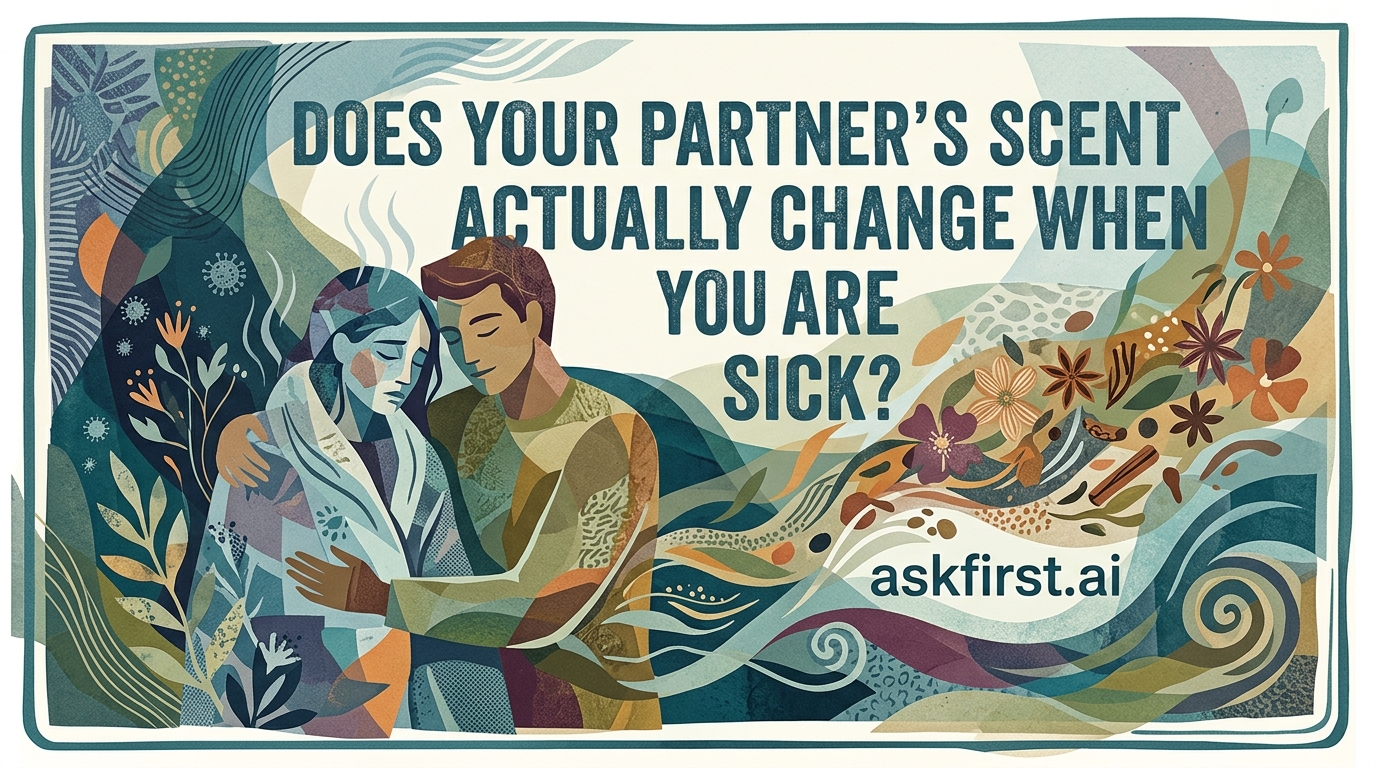
The Hidden Chemistry of Attraction: Why Illness Changes Human Scent
Human olfaction serves as a sophisticated, subconscious biological radar system. Beyond the simple detection of pleasant or unpleasant odors, the human nose possesses a remarkable ability to detect subtle chemical shifts associated with health and immunity. Research indicates that when the body mounts an immune response to pathogens, the metabolic byproducts released through sweat and breath change significantly, altering an individual's personal "scent profile."
The Biology of Immune-Related Odors
When a person falls ill, the immune system triggers a systemic inflammatory response. This process, known as sickness behavior, involves the release of various cytokines and volatile organic compounds (VOCs). These compounds are expelled from the body via pores and respiratory pathways. Studies in experimental psychology have shown that participants exposed to bacterial endotoxins—which mimic an infection—produced distinct sweat profiles within hours of exposure. Observers could frequently distinguish these "sick" odors from the baseline scent of healthy individuals, identifying them as more intense, less pleasant, and potentially signaling a state of biological vulnerability.
Why We Are Hardwired to Smell Sickness
This phenomenon is rooted in evolutionary biology, specifically in the concept of pathogen avoidance. Humans have evolved to detect signs of infectious disease in conspecifics as a protective mechanism. By reacting negatively to the "sickness odor," individuals can unconsciously distance themselves from sources of potential contagion. This subconscious behavioral shift suggests that our olfactory system acts as a primary defense mechanism, prioritizing health protection over the social intimacy usually fostered by personal scents.
Implications for Long-term Relationships
In established romantic partnerships, this shift creates a fascinating psychological tension. While the "scent of a partner" is often linked to feelings of safety, comfort, and bonding, a change in that scent due to minor illness can trigger a dissonance in the brain. The evolutionary instinct to avoid illness conflicts with the social desire to provide care and support. Most individuals are not consciously aware of why they may feel a subtle, unexplainable distance from a sick partner, yet the olfactory signal is processed by the amygdala and other regions of the brain responsible for emotional regulation.
Conclusion: The Invisible Language
Understanding that personal scents are dynamic, not static, provides deep insight into human connection. We are effectively broadcasting our internal biological status to those around us at all times. While modern medicine often focuses on visible symptoms like fever or congestion, the invisible language of scent remains a primal, persistent, and highly accurate barometer of our physiological wellbeing, continuing to influence our social and intimate interactions in ways science is only beginning to fully map.