The Neurochemistry of Attraction
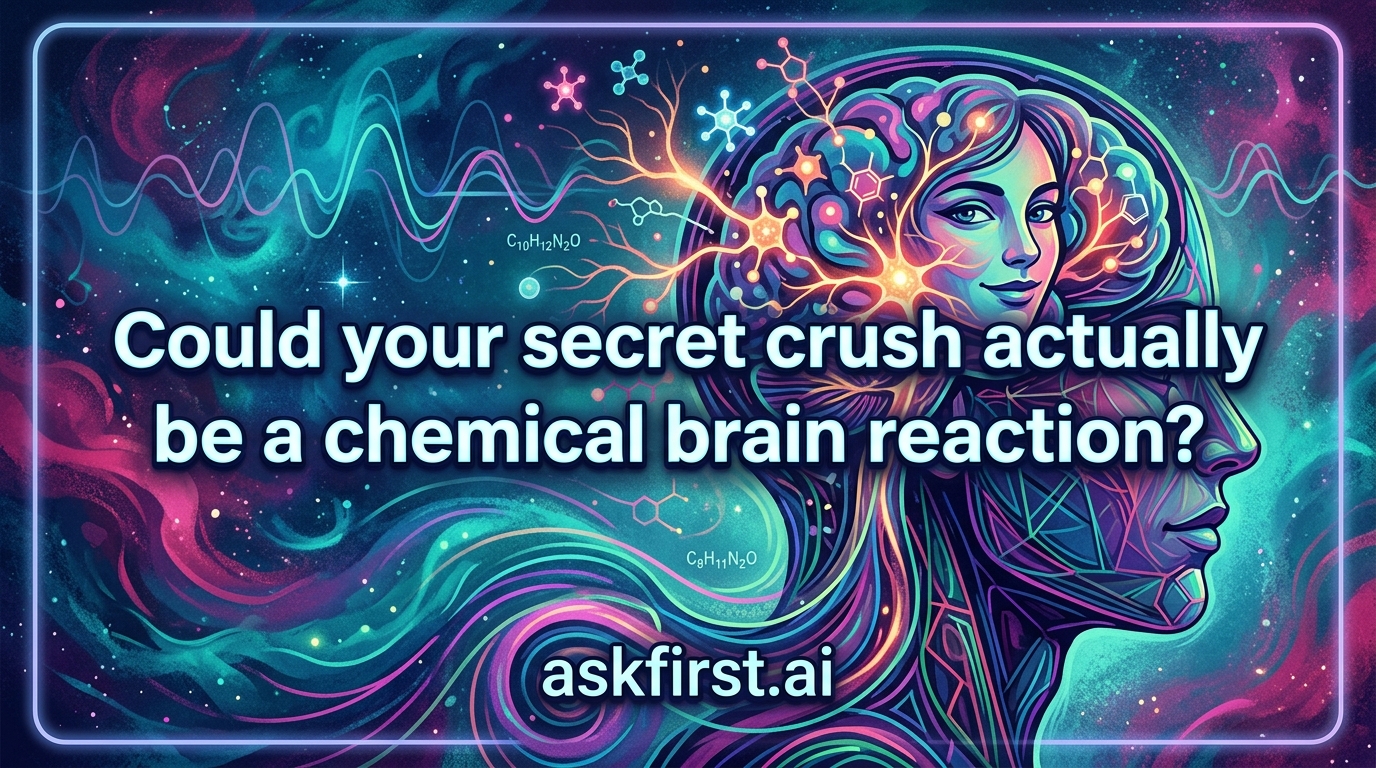
When feelings for a secret crush emerge, the experience often feels mystical or fated. However, neuroscience suggests that this intense magnetism is largely a sophisticated chemical symphony orchestrated by the brain. Attraction is not merely a social construct; it is a primal, biological drive designed by evolution to encourage reproduction and social bonding.
The Dopamine Reward System
At the core of infatuation lies the neurotransmitter dopamine. Often referred to as the brain's 'reward chemical,' dopamine levels spike when one is around a person of interest or even thinking about them. This creates a feedback loop similar to the effects of addictive substances. The brain rewards the individual for focusing on the 'target,' driving persistent thoughts and a longing for proximity. This is the physiological origin of that restless, 'butterflies-in-the-stomach' sensation.
The Role of Norepinephrine and Serotonin
While dopamine drives the desire, other chemicals modulate the emotional intensity:
- Norepinephrine: This chemical triggers the 'fight-or-flight' response. It causes the racing heart, sweaty palms, and intense focus associated with being near a crush.
- Serotonin: Interestingly, levels of serotonin often drop during the early stages of infatuation. Lowered serotonin is frequently linked to obsessive-compulsive behaviors, which explains why a person might find themselves unable to stop thinking about a crush regardless of how hard they try to focus on other tasks.
Pheromones and Sensory Input
Beyond internal chemistry, external sensory signals play a critical role. Research in biological anthropology, such as studies on the Major Histocompatibility Complex (MHC), suggests that humans are subconsciously drawn to the scents of individuals whose immune system genetics differ from their own. This 'chemical attraction' is an evolutionary survival strategy, favoring genetic diversity in offspring. The olfactory system transmits these signals directly to the limbic system—the emotional center of the brain—bypassing conscious reasoning entirely.
A Long-Term Perspective
As the initial 'crush' phase evolves, the neurochemistry shifts. Once the initial surge of dopamine stabilizes, the brain begins producing oxytocin and vasopressin. These 'cuddle chemicals' foster deeper emotional attachment and long-term bonding. What begins as a volatile chemical reaction often stabilizes into a more tempered state of affection. Recognizing that these feelings are rooted in neurobiology does not diminish their beauty; rather, it highlights the remarkable evolutionary machinery that allows humans to forge profound connections with one another.