The Olfactory Attraction: How Chemical Signatures Shape Social Bonds
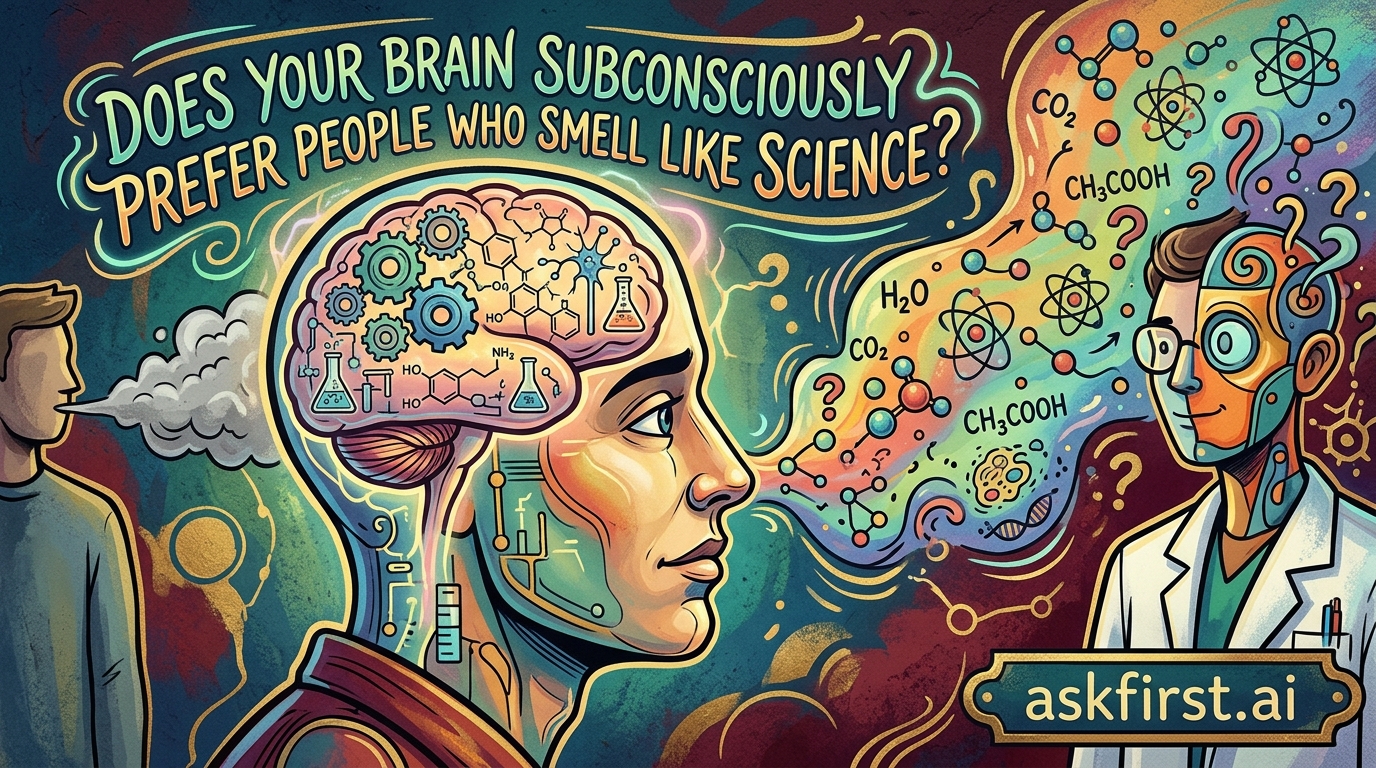
Human attraction is far more complex than visual appeal alone. Deep within the limbic system—the brain's emotional powerhouse—the olfactory bulb processes scents that can trigger subconscious preferences for certain individuals. While the concept of smelling like "science" is abstract, it often refers to the olfactory markers associated with health, hygiene, and specific environmental factors, all of which play a pivotal role in human social selection.
The Biochemistry of Social Preference
The subconscious brain continuously scans the environment for chemical signals. The most notable example involves the Major Histocompatibility Complex (MHC), a set of genes essential for immune system function. Research suggests that humans are evolutionarily hardwired to prefer the scent of individuals whose MHC genes differ from their own. This biological preference promotes genetic diversity in offspring, providing a superior immune advantage.
What might be perceived as a preference for "science" is often an attraction to:
- Cleanliness and Sterility: Chemicals often associated with clinical settings, such as ozone, sharp synthetic aldehydes, or specific citrus compounds, mimic the sensory profile of extreme hygiene. The brain associates these clean scents with safety and a reduced risk of pathogen exposure.
- Pheromonal Intelligence: While the existence of specific human pheromones remains a subject of intense academic debate, sensory evidence indicates that people in scientific or high-precision fields often gravitate toward environments that emphasize order, which reflects in their personal scent profiles.
Why We Decode Scents Subconsciously
When someone is described as "smelling like science," the brain may be interpreting a mixture of metallic notes, crisp oxygenated air, or neutral chemical compounds. These scents contrast sharply with the floral or musk-heavy fragrances traditionally found in perfumes. To the primitive brain, an environment lacking in heavy organic decay and filled with crisp, "lab-like" markers represents a highly controlled, safe space.
The Role of Psychological Priming
Beyond basic biology, psychological priming plays a significant role in social preference. If an individual associates the "scent of science"—think of a crisp laboratory or a sanitized workspace—with intellect, competence, and reliability, the brain creates a positive feedback loop. Consequently, when encountering a person who carries these specific olfactory markers, the subconscious mind immediately categorizes them as trustworthy and mentally acute. This cognitive shortcut explains why we might find ourselves naturally drawn to people whose "vibe" matches our professional or intellectual aspirations, even before they speak a single word. In summary, our attraction to these scents is a sophisticated blend of ancient biological defense mechanisms and modern cognitive associations that guide how we build our social and professional circles.