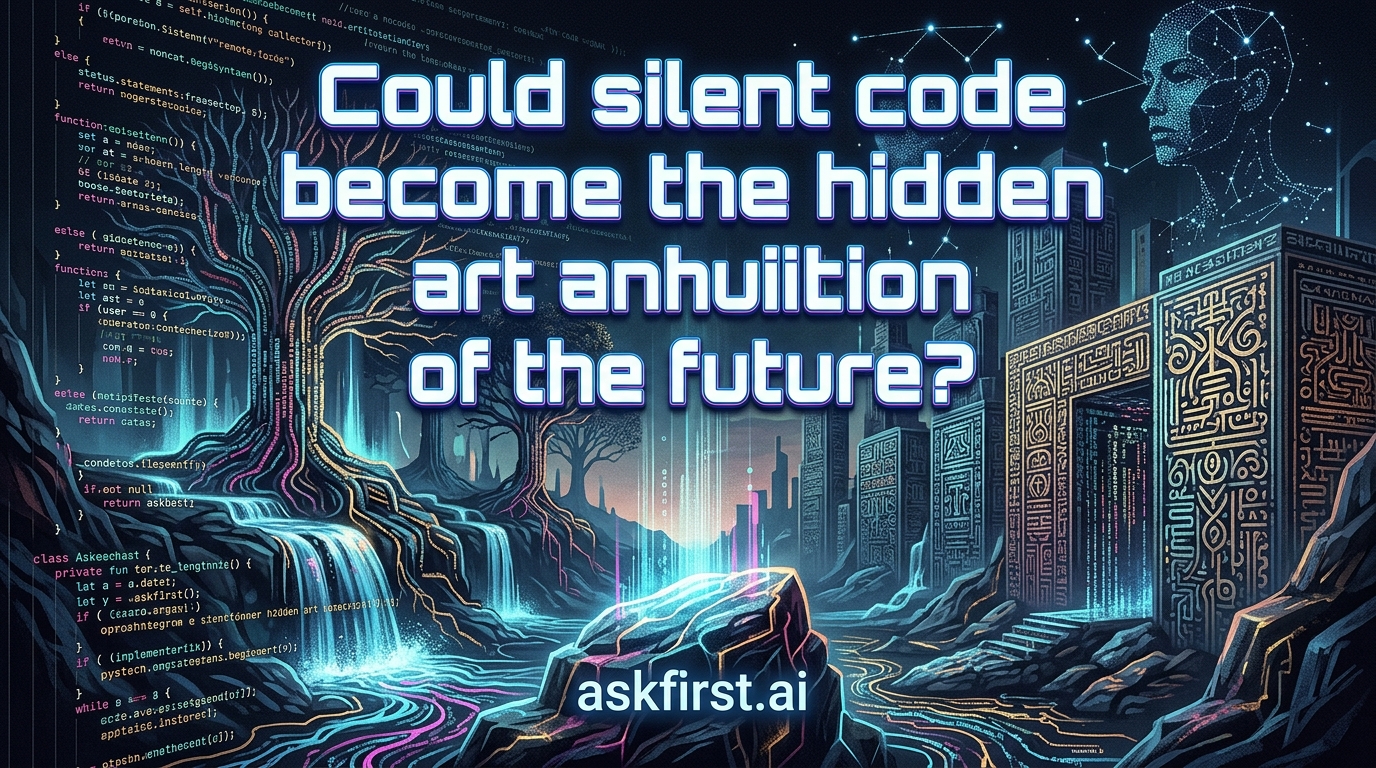
The Silent Architecture: Code as Invisible Art
In the modern era, software often sits behind graphical interfaces, concealing the intricate logic that powers our reality. However, a movement is emerging that views source code not merely as a functional utility, but as a form of high-level creative expression—a silent art form capable of shaping the architecture of human experience without ever being seen by the user.
The Aesthetic of Efficiency
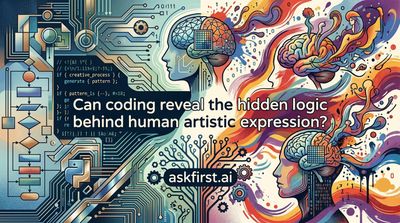
Software engineering is frequently mischaracterized as a strictly utilitarian pursuit. In reality, the most elegant algorithms possess qualities that mirror classical fine art: balance, symmetry, and rhythmic efficiency. Just as a painter masters negative space, the master coder masters the 'silent' space between processes. By reducing computational noise, developers create systems that are virtually invisible, executing with a grace that allows users to interact with technology as if it were an extension of their own consciousness.
The Digital Sculptor's Craft
Consider the concept of clean code as a discipline akin to minimalism in design. Proponents like Robert C. Martin, author of Clean Code, argue that code is meant to be read by humans, not just machines. When code is crafted with intent, it functions as a digital sculpture. Each function, class, and variable selection serves a purpose, contributing to a coherent aesthetic whole. This invisible art form requires rigorous intellectual effort to strip away redundancy, leaving only the essential essence of the task at hand.
Code as Cultural Legacy
As algorithms increasingly curate our information streams and financial landscapes, they become the cultural artifacts of our civilization. The 'silent code'—that which remains buried deep in backend systems—will likely be analyzed by future historians with the same scrutiny we apply to Renaissance frescoes. This legacy is not found in the superficial user interface but in the underlying logic that defines how information is weighted, distributed, and prioritized. It is the hidden skeleton of modern society.
Future Implications
As quantum computing and generative AI evolve, the boundary between programmer and artist will blur further. The 'art' of the future may lie in the ability to design code that is self-correcting and adaptive, functioning like a living organism. Such systems will operate in total silence, requiring no human intervention to maintain their equilibrium. This shift represents the transition from code as a static set of instructions to code as a fluid, dynamic sculpture that breathes within the void of cyberspace. Ultimately, the silent code will become the substrate upon which the next century of human achievement is written, standing as a testament to the unseen labor that powers the visible world.