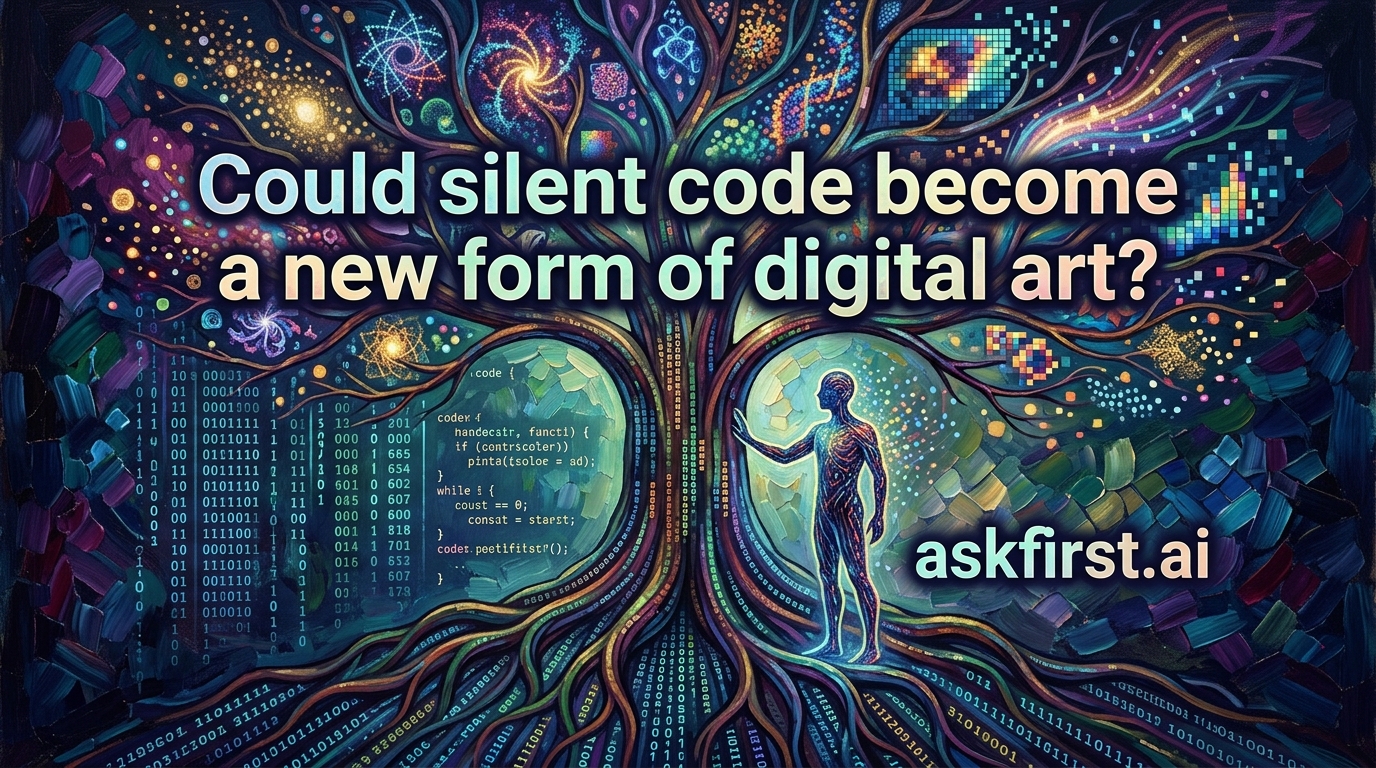
The Aesthetic of Silence: Code as Abstract Digital Art
In the traditional paradigm of software development, code is viewed purely as a utilitarian vehicle for functionality. It is evaluated by metrics such as performance, scalability, and maintainability. However, an emerging philosophical perspective suggests that source code—devoid of graphical user interfaces or dynamic output—can function as a profound form of digital expression, often referred to as "silent code."
The Concept of Algorithmic Minimalism
Silent code creates an aesthetic experience through its syntax, structural integrity, and logic flow, rather than its execution. Similar to how poetry utilizes white space and precise vocabulary to evoke emotion, silent code uses indentation, variable naming conventions, and logic patterns to communicate intent and beauty. When a developer crafts an algorithm that is both hyper-efficient and elegant, the code itself becomes the object of contemplation.
Key characteristics defining this art form include:
- Structural Symmetry: The visual balance of control structures and recursive patterns.
- Syntactic Economy: The achievement of maximum expressive power with minimal characters, reminiscent of minimalist painting.
- Conceptual Depth: The ability of an algorithm to encapsulate complex mathematical or philosophical ideas within a few lines of logic.
Code as Conceptual Sculpture
Unlike traditional digital art, which relies on rendering engines or pixels, silent code relies on the mental processing of the observer. It invites the viewer to perform a "static execution" in their mind. By reading the code, the programmer recreates the digital logic without ever compiling the program. This creates a participatory experience where the art exists entirely within the shared understanding of the creator and the observer, a testament to the cognitive power of programming languages like Lisp, Haskell, or APL.
The Philosophy of Obfuscation and Clarity
Artistic expression in code often bifurcates into two distinct paths: obfuscation and clarity. Obfuscated code, such as entries in the International Obfuscated C Code Contest, presents a chaotic, visual puzzle that hides its true function, challenging the observer to decode the mystery. Conversely, high-clarity code, or "literate programming," as proposed by Donald Knuth, emphasizes the narrative quality of source code. This approach treats the algorithm as a literary piece, where the logic explains itself through well-structured documentation and clean implementation.
Why This Matters
Viewing code as art shifts the focus from result-oriented production to process-oriented appreciation. It honors the craft of engineering, elevating the programmer from a mere implementer to an architect of thought. By recognizing the intrinsic value of silent code, the tech industry can foster a deeper appreciation for the creativity and human ingenuity embedded in the foundation of the digital world, ensuring that even the most invisible layers of technology are acknowledged for their inherent artistic worth.