How a Real Insect Became the First Computer Bug
The Moth That Changed Computing History: Unraveling the Legend
Many believe that the term "computer bug" originated from a single incident involving a moth trapped in a relay, but the reality of linguistic history is significantly more nuanced. While the discovery of a physical insect in the Harvard Mark II computer is a famous historical fact, the concept of a "bug" as a technical error actually predates this event by several decades.
The Famous 1947 Incident
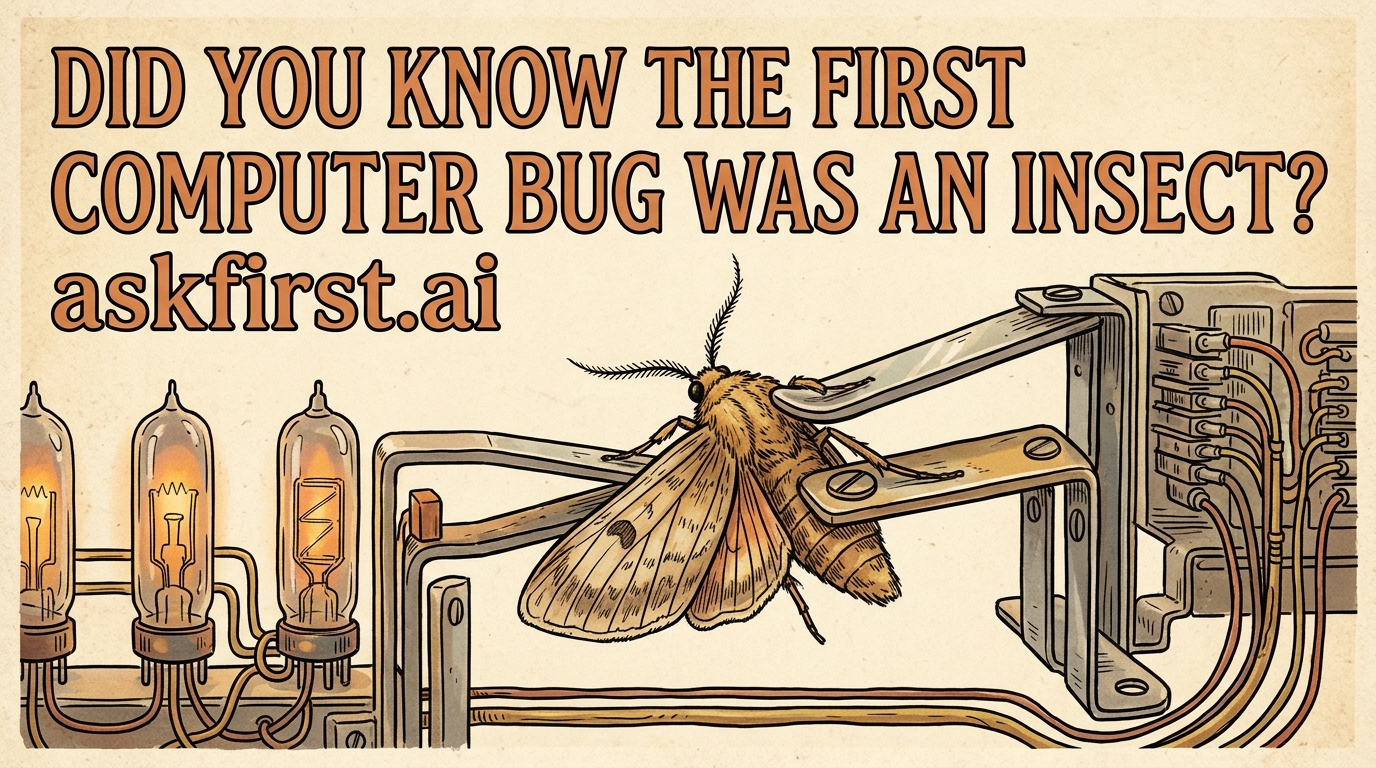
In September 1947, operators working on the Harvard Mark II computer, including the legendary Grace Hopper, were troubleshooting a malfunctioning relay. Upon opening the hardware, they discovered a moth trapped inside the mechanism. The team carefully taped the insect into their logbook with the notation: "First actual case of bug being found." This physical specimen remains a cornerstone of computing folklore, currently housed in the Smithsonian National Museum of American History. It serves as a tangible link between mechanical engineering and the software industry that would follow.
The Pre-Computing Etymology
Contrary to popular belief, engineers were already using the term "bug" to describe technical malfunctions long before computers existed. Thomas Edison, a pioneer in the electrical field, documented the usage of the term in letters as far back as the 1870s. For engineers of the nineteenth century, a "bug" represented a persistent, hidden fault in a system that proved difficult to locate and fix. The term implied that a device had "bugs"—small, invisible, or unexpected obstacles hindering performance. By the time the Harvard team discovered the moth, the industry lexicon had already been using the term for over 70 years, though the 1947 event added a layer of literal irony to an established metaphor.
From Hardware to Software
As the field of computing evolved, the term "bug" shifted from describing mechanical relays and electrical currents to identifying logical errors in code. A software bug occurs when the programmer's intent differs from the machine's execution. Modern debugging involves sophisticated tools, static analysis, and automated testing, yet the fundamental spirit of the activity remains unchanged: hunting for the invisible gremlins that disrupt logic. Understanding that the term was a metaphor for "elusive difficulty" rather than a biological observation changes how developers view their work today. It reminds practitioners that even in a digital world, error resolution requires a blend of patient observation and logical deduction. Whether dealing with a physical moth in 1947 or a memory leak in a modern application, the essence of debugging remains the art of identifying the root cause of systemic failure within a complex, often mysterious, architecture.