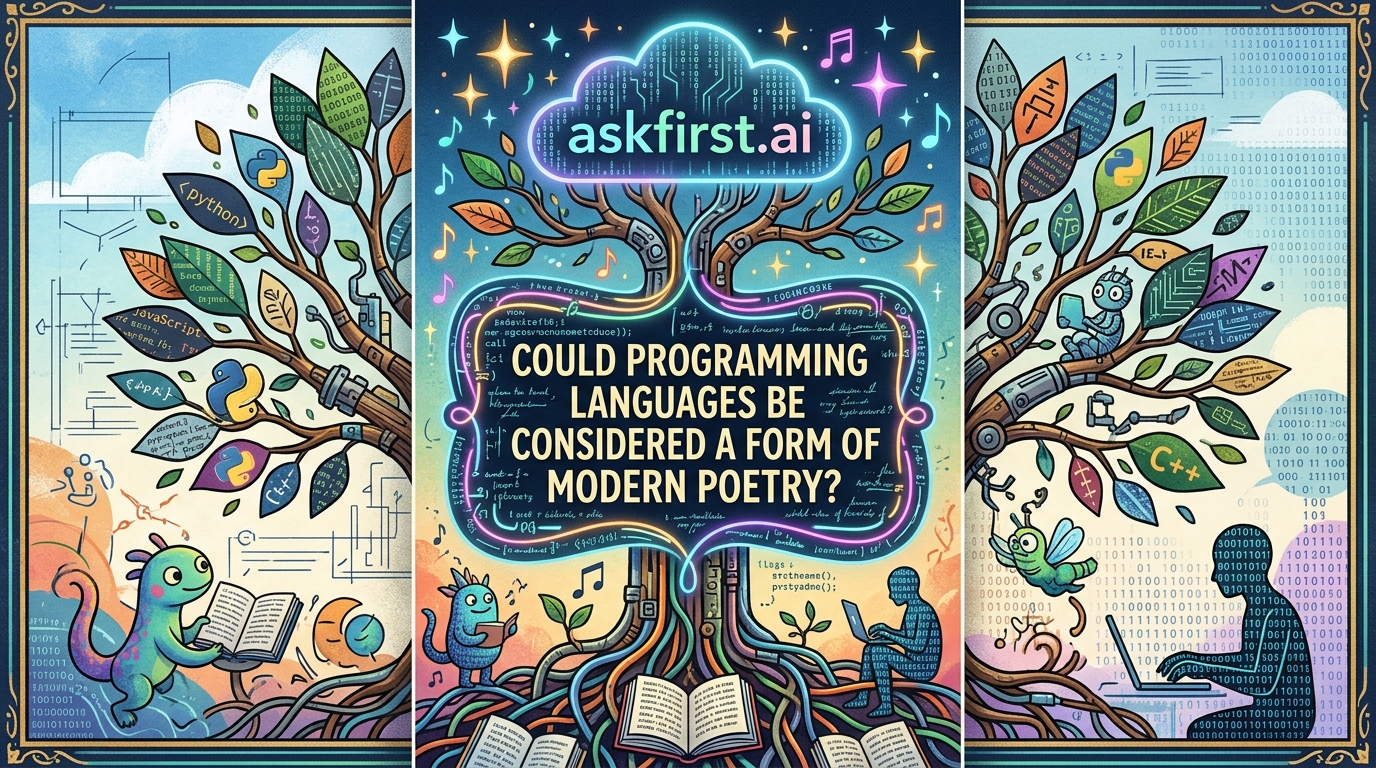
The Syntax of Soul: Is Code the New Poetry?
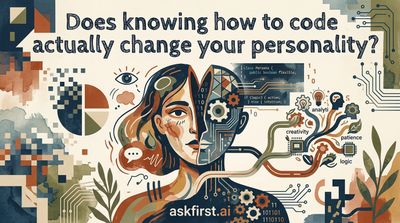
At the intersection of logic and creativity, programming languages occupy a unique space that bridges the divide between utilitarian engineering and artistic expression. To define poetry is to define a system of communication where economy, rhythm, and precision evoke complex emotions and profound truths. When viewed through this lens, code is not merely a set of instructions for a silicon machine; it is a structured, dense, and elegant language that shares the fundamental DNA of poetic composition.
The Architecture of Constraints
Poetry is often defined by its constraints—the meter, the rhyme scheme, the syllable count. In programming, the constraints are the syntax and the logical boundaries of the compiler. Just as a haiku forces a poet to distill an entire philosophy into seventeen syllables, a C++ programmer must distill complex physical behaviors into optimized lines of code. This requirement for extreme brevity and maximum efficiency creates a 'semantic density' that is purely poetic. Every variable name, function call, and loop is a deliberate choice made to maximize the meaning conveyed per line.
Rhythm and Flow of Logic
Great code possesses a distinct rhythm often referred to by developers as 'flow.' It follows patterns—Design Patterns, to be specific—that function like stanzas in a classic epic. Consider the following characteristics shared by both fields:
- Economy of Expression: Both poetry and code prize the 'less is more' philosophy. An elegant algorithm is prized for its minimalism just as a masterpiece of prose is stripped of unnecessary adjectives.
- Ambiguity vs. Precision: While poetry embraces ambiguity to unlock meaning, code seeks to eliminate it entirely. However, the act of choosing the right structure to solve an ambiguous real-world problem is an inherently creative, interpretive process.
- Metaphorical Modeling: Object-oriented programming creates entire simulated universes, using metaphors (classes, inheritance, polymorphism) to represent reality. This is exactly what poets do with words.
The Aesthetics of Readability
Programming pioneer Donald Knuth, in his seminal work Literate Programming, argued that programs should be written as works of literature. He posited that the primary audience for code is human beings, not machines. When code is written with beauty, clarity, and structural harmony, it transcends utility. It becomes a medium for ideas that outlive the hardware it was written for. Just as a poem allows a reader to inhabit the mind of the poet centuries later, clean code allows a future developer to understand the intent and intellectual journey of the original author.
Conclusion
While code functions through logic and poetry through emotion, both represent the human desire to impose order upon chaos. Code is the poetry of the digital age: a high-level abstraction that turns electricity into ideas. By recognizing the artistry inherent in syntax, society can finally appreciate that the programmer is not just a technician, but a digital wordsmith sculpting the foundations of modern reality.