Cognitive Restructuring Through Syntax
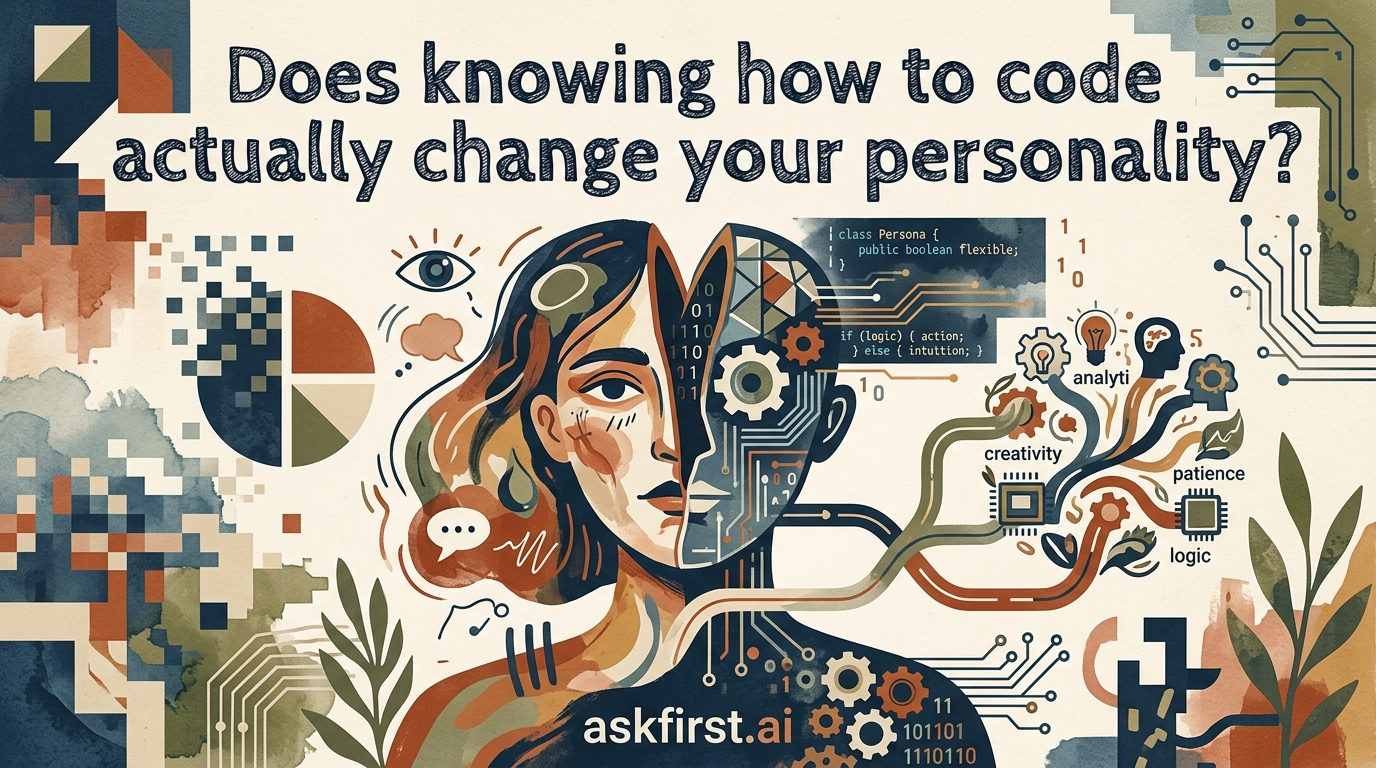
Learning to program is more than acquiring a technical skill; it functions as a cognitive metamorphosis. Neuroplasticity research suggests that engaging in rigorous logical training alters the way the brain approaches problem-solving. When an individual learns to code, they adopt a 'systems-thinking' approach, breaking down complex phenomena into modular, manageable components. This process, often called decomposition, slowly bleeds into daily life, changing how one organizes tasks, manages priorities, and perceives potential obstacles.
The Shift Toward Analytical Pragmatism
Coders often develop a heightened sense of analytical pragmatism. In the world of software development, a machine does exactly what it is told, not what the programmer intended. This leads to the following personality shifts:
- Extreme Precision: The internal standard for clarity increases. Communication becomes more concise, as the brain seeks to eliminate ambiguity to avoid 'bugs' in social interactions.
- Resilience and Debugging: Programming is an exercise in iterative failure. The ability to endure a failed compile and calmly analyze the error log translates into higher frustration tolerance in the face of real-world setbacks.
- Abstract Reasoning: Programmers become adept at manipulating mental models. This enhances the capacity for lateral thinking, allowing them to solve non-technical problems by finding unconventional pathways.
The Myth of the Cold Machine Mind
While popular culture often paints programmers as emotionally detached, the reality is far more nuanced. While the analytical nature of coding favors logic, it does not erase empathy or creativity. In fact, many developers report that the satisfaction of building something from nothing fosters a sense of optimism and agency. Instead of being passive consumers, coders view the world as a programmable space, believing that any social or mechanical system can be optimized. This sense of agency is perhaps the most significant 'personality' change, as it shifts the internal locus of control.
Long-Term Neurological Impact
According to studies on computer literacy, consistent exposure to algorithmic logic strengthens the executive functions of the prefrontal cortex. This is the area of the brain responsible for planning, focus, and impulse control. Over time, individuals who practice coding exhibit more patience when addressing complex issues. They move away from impulsive emotional reactions and toward a systematic evaluation of 'inputs' and 'outputs' in their daily relationships. It is not that these individuals lose their humanity; rather, they gain a structured mental architecture that helps them navigate the complexities of modern life with grace and efficiency. The process of debugging code ultimately teaches the brain how to 'debug' life, making the individual more composed, objective, and intellectually adventurous.