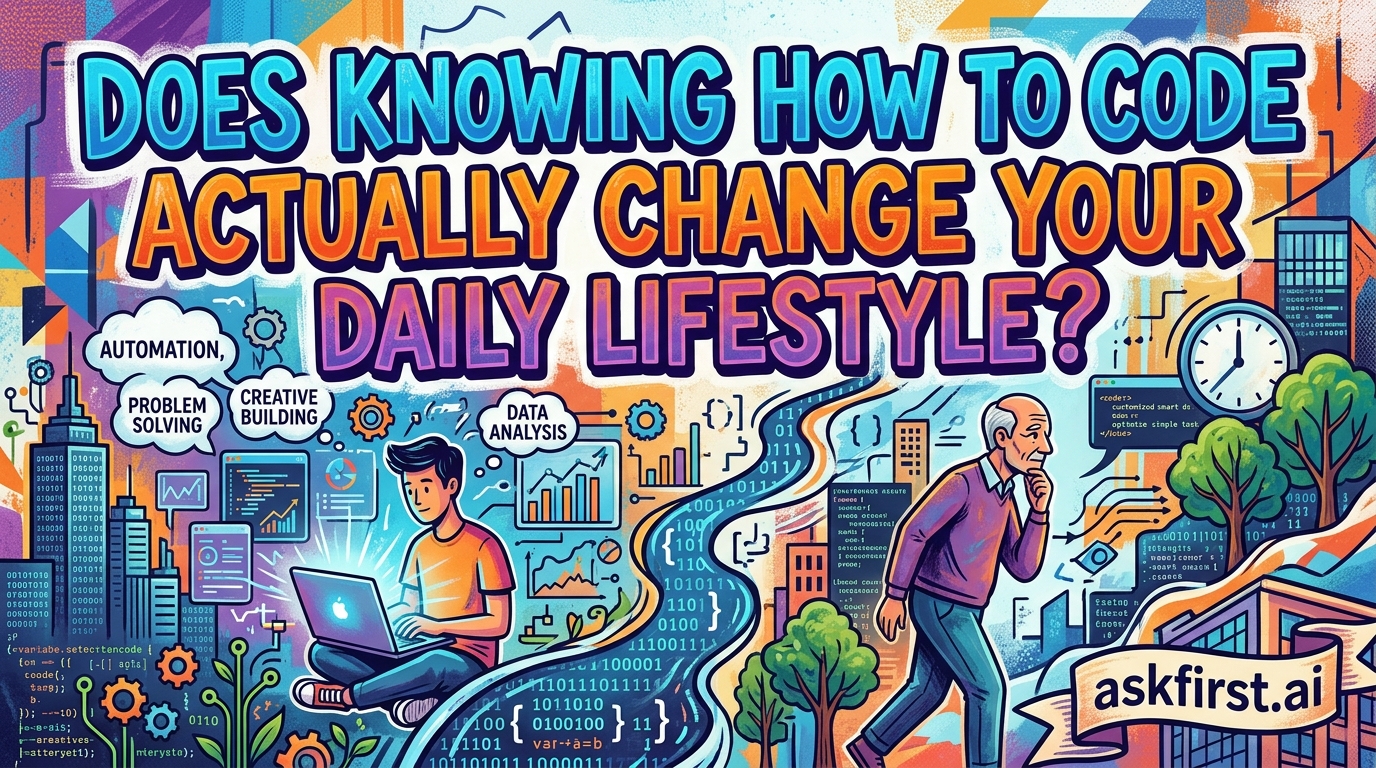
The Cognitive Shift of Programming
Learning to code is often mistakenly perceived as a technical pursuit meant only for engineers. However, the acquisition of programming literacy triggers a profound shift in how an individual processes daily information, solves problems, and perceives the world. This transformation, often referred to as computational thinking, extends far beyond the confines of a computer monitor.
Deconstructing Complex Problems
At the core of coding is the process of decomposition: breaking down a massive, intimidating task into smaller, manageable sub-problems. In daily life, this manifests as a systematic approach to obstacles. Instead of feeling overwhelmed by a multifaceted life event, such as moving house or managing a complex project at work, a coder instinctively identifies the individual components—logistics, timelines, budget, and resources—and addresses them sequentially. This methodical reduction of complexity minimizes stress and increases efficiency in routine decision-making.
The Logic of Pattern Recognition
Programming demands a keen ability to recognize patterns, whether they are recurring data structures or systematic errors in logic. Once the brain is trained to look for these patterns in code, it begins to apply the same lens to human behavior, business workflows, and even social interactions. This skill allows for more accurate predictions about outcomes. When an issue arises, the mindset shifts from reacting to emotional distress to asking: What is the root cause of this failure, and how can the process be adjusted to prevent its recurrence?
Precision and Intentionality
Coding teaches that a single missing character or a misplaced bracket can cause a system to fail. This inherent demand for precision instills a high level of intentionality in daily activities. Individuals who code often find themselves paying closer attention to detail in their physical environment and communications. Clear documentation in code mirrors clear communication in professional settings, while the importance of testing hypotheses before fully implementing a strategy becomes a daily habit, leading to fewer catastrophic mistakes.
Developing Intellectual Resilience
Perhaps the most transformative aspect of learning to code is the normalization of failure. Every programmer faces the inevitable wall of errors and bugs. Through repeated experience, the coder learns that failure is merely data—a temporary state that provides clues to the solution. This resilience is directly transferable to life. When faced with a personal setback, those familiar with programming concepts are less likely to view the event as an absolute defeat and more likely to view it as a 'bug' in their current approach, thus remaining emotionally steady while seeking a fix. Ultimately, knowing how to code fundamentally changes daily life by cultivating a mindset that prioritizes structural logic, careful observation, and a relentless, positive orientation toward problem-solving.