The Intersection of Logic and Aesthetics
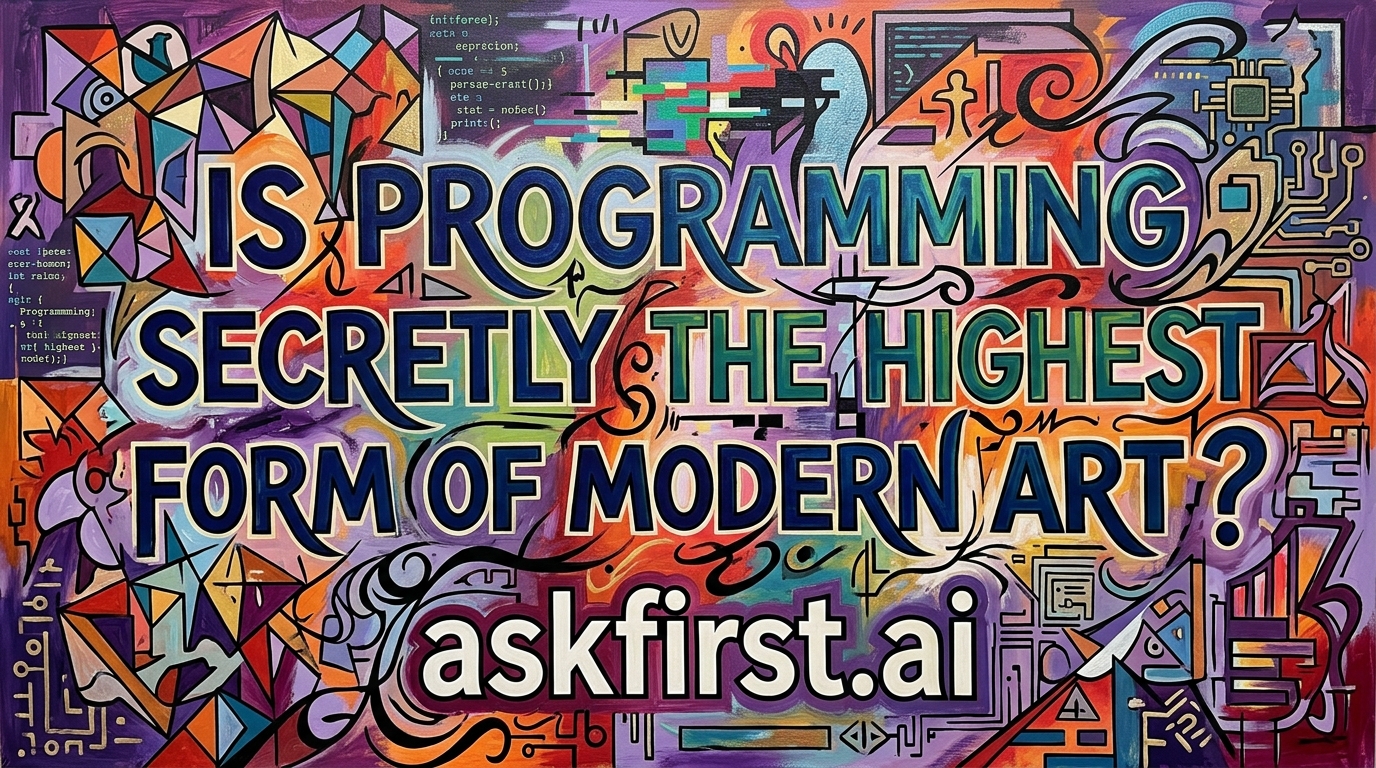
Programming exists as a profound convergence of rigorous mathematics and abstract creative expression. Often dismissed as mere utility, code represents a structural language that functions similarly to architecture or musical composition. When a developer writes an elegant algorithm, they are not simply solving a problem; they are orchestrating a complex dance of logic, memory, and performance that mirrors the discipline of classical painting or symphonic composition.
The Sculptural Nature of Code
Unlike traditional art forms that remain static, software is kinetic, living, and infinitely reactive. Programmers function as modern sculptors, carving functional systems out of the digital ether. Consider these perspectives on why coding qualifies as a high art form:
- Abstraction and Elegance: The pursuit of 'clean code' parallels the minimalist movement in art. The most celebrated algorithms are those that solve gargantuan problems with the fewest possible lines, demonstrating the beauty of simplicity.
- Intentionality: Every variable naming convention, architectural pattern, and data structure choice represents a conscious design decision aimed at balancing efficiency with readability.
- Ephemeral Interaction: Software facilitates human experience. It shapes how users perceive the world, learn, communicate, and create. By building tools that extend human capability, programmers influence the cultural landscape on a global scale.
Challenging the Myths
A common misconception is that art requires manual brushwork or emotional expression, while programming requires only mechanical calculation. This divide is fundamentally flawed. Artists utilize specialized media to communicate vision, and code is the medium of the information age. The constraints of the machine—memory limits, execution speeds, and syntactical rules—are no different from the physical constraints of an oil painter working with canvas texture or a violinist working with acoustics. These limitations do not hinder art; they define it. As the computer scientist Donald Knuth famously articulated in The Art of Computer Programming, the craft is a discipline that requires both technical precision and deep intuitive foresight.
The Future of Digital Expression
As systems become more complex and decentralized, the role of the programmer evolves from a technical operator to a digital architect. The beauty of a perfectly executed deployment is indistinguishable from the satisfaction of a masterfully performed concerto. Coding is, therefore, a transcendental activity that bridges the gap between raw data and human meaning. It captures the intangible spirit of human logic and renders it tangible, functional, and revolutionary. By mastering the syntax of reality itself, programmers participate in an ongoing act of creation that will define human progress for centuries to come, solidifying its place at the pinnacle of modern intellectual and artistic achievement.