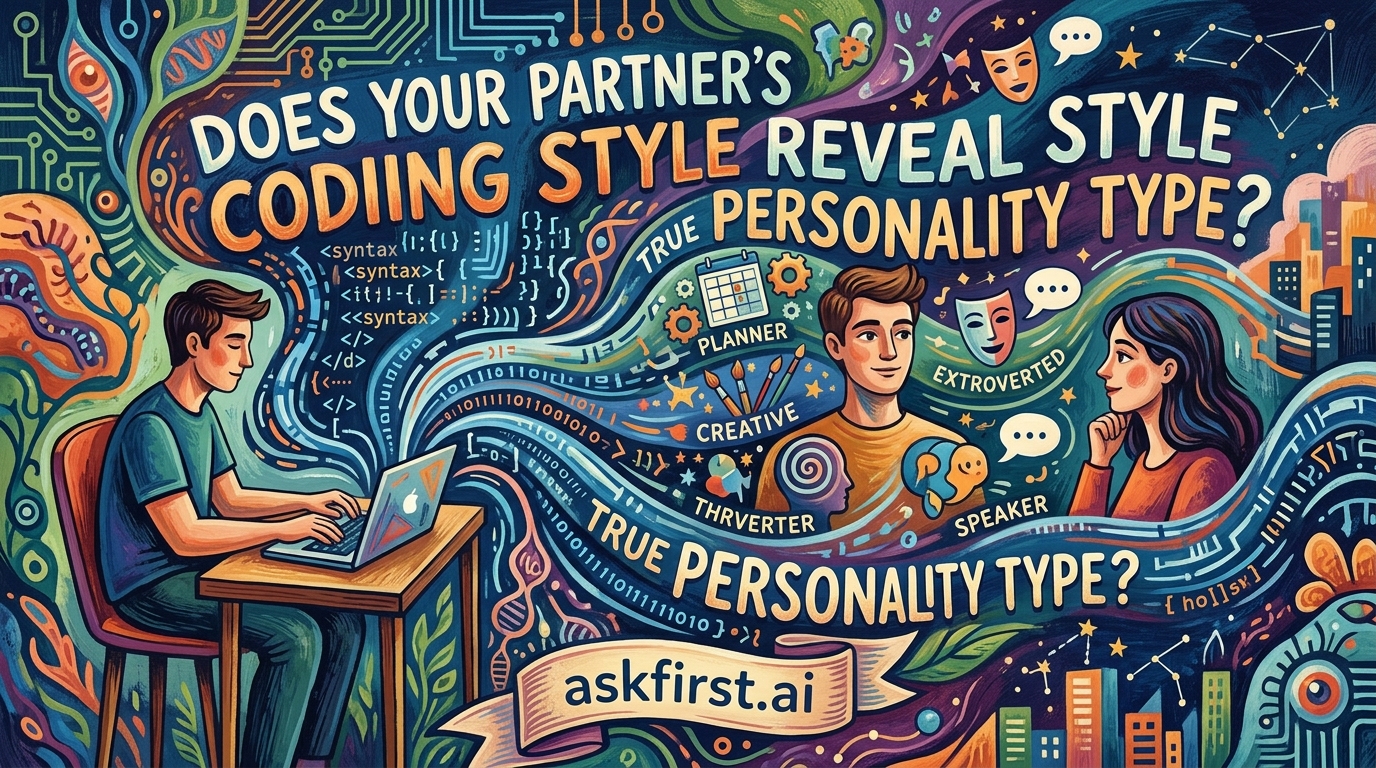
The Syntax of Soul: Can Coding Style Reveal Personality?
In the modern digital landscape, software engineering has evolved beyond mere logic into a form of personal expression. Just as handwriting or artistic flair reflects the inner workings of an individual, the way a programmer crafts code serves as a digital fingerprint. This phenomenon suggests that one’s approach to solving computational problems is deeply intertwined with cognitive habits, emotional regulation, and social tendencies.
The Architecture of Order and Chaos
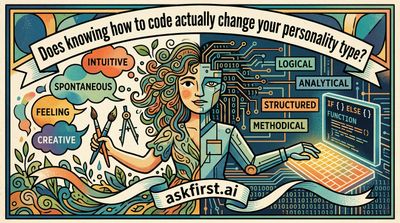
Psychologists have long debated whether professional workflows correlate with personality traits. In coding, this manifests through two primary schools of thought: the "Structured Architect" and the "Intuitive Explorer."
- The Structured Architect: These individuals prioritize readability, documentation, and rigorous adherence to design patterns. Their code is often characterized by modularity and clean, minimalist interfaces. In personality terms, this frequently aligns with the conscientiousness facet of the Big Five model. Such coders are often organized, risk-averse, and prioritize long-term stability over rapid deployment.
- The Intuitive Explorer: This persona prefers rapid prototyping, aggressive refactoring, and dynamic solutions. They often favor performance over extreme documentation, valuing the "flow state" above all else. This style often correlates with high openness to experience, showing a tendency for creative experimentation and a higher tolerance for ambiguity.
Communication through Comments and Syntax
Beyond logic, the communicative aspect of code—specifically documentation and naming conventions—reveals how a person interacts with the collective. A coder who spends hours detailing every edge case in a comment block is likely a person who thrives on clear expectations and collective understanding. Conversely, a developer who uses cryptic, highly optimized one-liners might possess a competitive drive or a preference for autonomy, signaling a desire to solve complex problems independently rather than through consensus.
Predictive Behavioral Patterns
Studies in cognitive ergonomics suggest that coding behavior is predictive of how one manages stress. During a "production crisis," the coder who remains methodical and systematic is typically one who values predictability in life. In contrast, the one who adopts "guerrilla tactics" to fix bugs immediately is often driven by an intrinsic need for immediate gratification or high-adrenaline problem solving. This doesn't mean one style is superior; it simply highlights that coding is a psychological projection.
Conclusion: Beyond the Screen
While personality testing is best left to qualified psychologists, observing a partner's coding style provides fascinating insights into their problem-solving philosophy. It reveals whether they view the world as a structure to be optimized or a riddle to be solved on the fly. Ultimately, understanding these patterns fosters better empathy, helping partners appreciate the unique way their significant other interfaces with the complex challenges of both technology and daily life.