The Prevalent Achilles' Heel: Credential Hygiene and Phishing
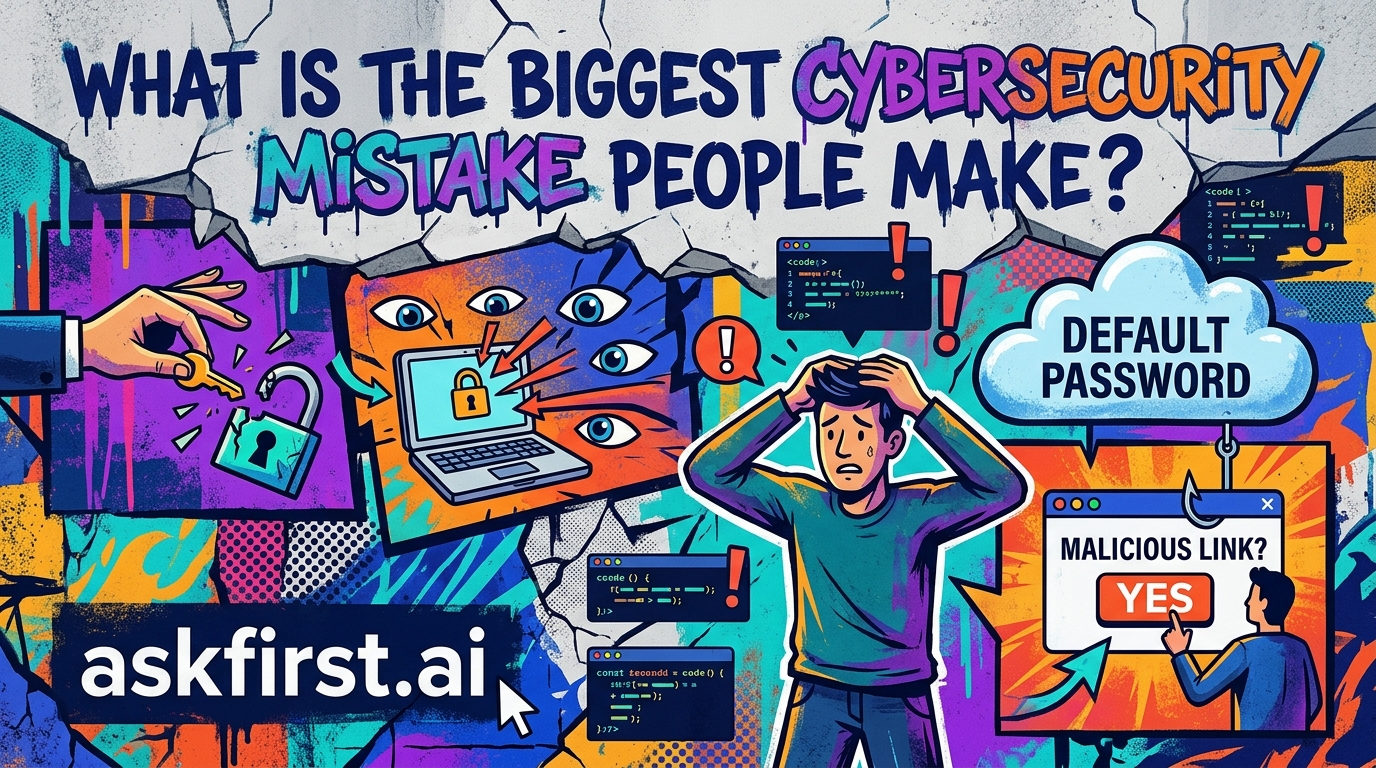
In the modern digital landscape, the single most significant cybersecurity mistake individuals and organizations make is poor credential management, specifically the reuse of passwords and the failure to implement Multi-Factor Authentication (MFA). While sophisticated zero-day exploits and state-sponsored cyber-attacks dominate headlines, the vast majority of successful breaches originate from simple, preventable human error.
1. The Anatomy of the Mistake: Credential Stuffing
The core of this vulnerability lies in "Credential Stuffing." When a user employs the same password across multiple platforms—social media, banking, and professional email—a breach at one minor, insecure site provides hackers with the keys to the user’s entire digital life.
- The Scale: According to industry reports, billions of credentials are leaked annually. Attackers use automated bots to test these stolen email-password combinations against thousands of sites simultaneously.
- The Human Factor: Most users prioritize convenience over security, choosing memorable passwords that are easily guessed or cracked through brute-force methods.
2. The Role of Phishing and Social Engineering
Closely linked to poor credential management is susceptibility to Phishing. Phishing remains the primary delivery vector for malware and ransomware. By manipulating human psychology—creating a false sense of urgency or fear—attackers trick users into clicking malicious links or revealing sensitive authentication tokens.
- Evolution: Modern phishing has moved beyond poorly written emails. "Spear-phishing" involves highly personalized messages based on publicly available data (OSINT), making them nearly indistinguishable from legitimate communication.
3. A Practical Guide to Digital Hardening
To mitigate these risks, users must adopt a "Defense in Depth" approach. Follow these steps to significantly reduce your attack surface:
- Adopt a Password Manager: Use tools like Bitwarden, 1Password, or KeePass. These generate, store, and auto-fill complex, unique passwords for every site, meaning you only need to remember one master password.
- Mandate Multi-Factor Authentication (MFA): Enable MFA on every account that supports it. Prioritize Hardware Security Keys (e.g., YubiKey) or Authenticator Apps (e.g., Google Authenticator, Authy) over SMS-based codes, which are vulnerable to SIM-swapping attacks.
- Perform Regular Audits: Use services like "Have I Been Pwned" to check if your email address or passwords have appeared in known data breaches.
- Practice Skepticism: Treat every unsolicited request for credentials or urgent action as a potential threat. Verify the sender’s address and avoid clicking links in unexpected messages.
4. Future Trends and Cybersecurity Outlook
The industry is shifting toward a Passwordless Future. Technologies like FIDO2 (Fast Identity Online) and Passkeys are gaining traction. These rely on public-key cryptography, where the user authenticates via biometric data or local device hardware, eliminating the need for a shared secret (the password) that can be stolen.
5. Conclusion: The Pros and Cons of Vigilance
- Pros: Adopting these habits dramatically lowers the likelihood of identity theft, financial loss, and professional reputational damage.
- Cons: There is an inherent "friction cost." Managing complex security protocols takes time and requires a shift in digital behavior. However, the cost of a breach—often involving months of recovery and significant financial loss—far outweighs the minor inconvenience of robust security measures.
Ultimately, cybersecurity is not a product to be bought, but a process to be practiced. By addressing the fundamental flaws of credential reuse and phishing susceptibility, individuals can move from being "low-hanging fruit" to resilient digital citizens.