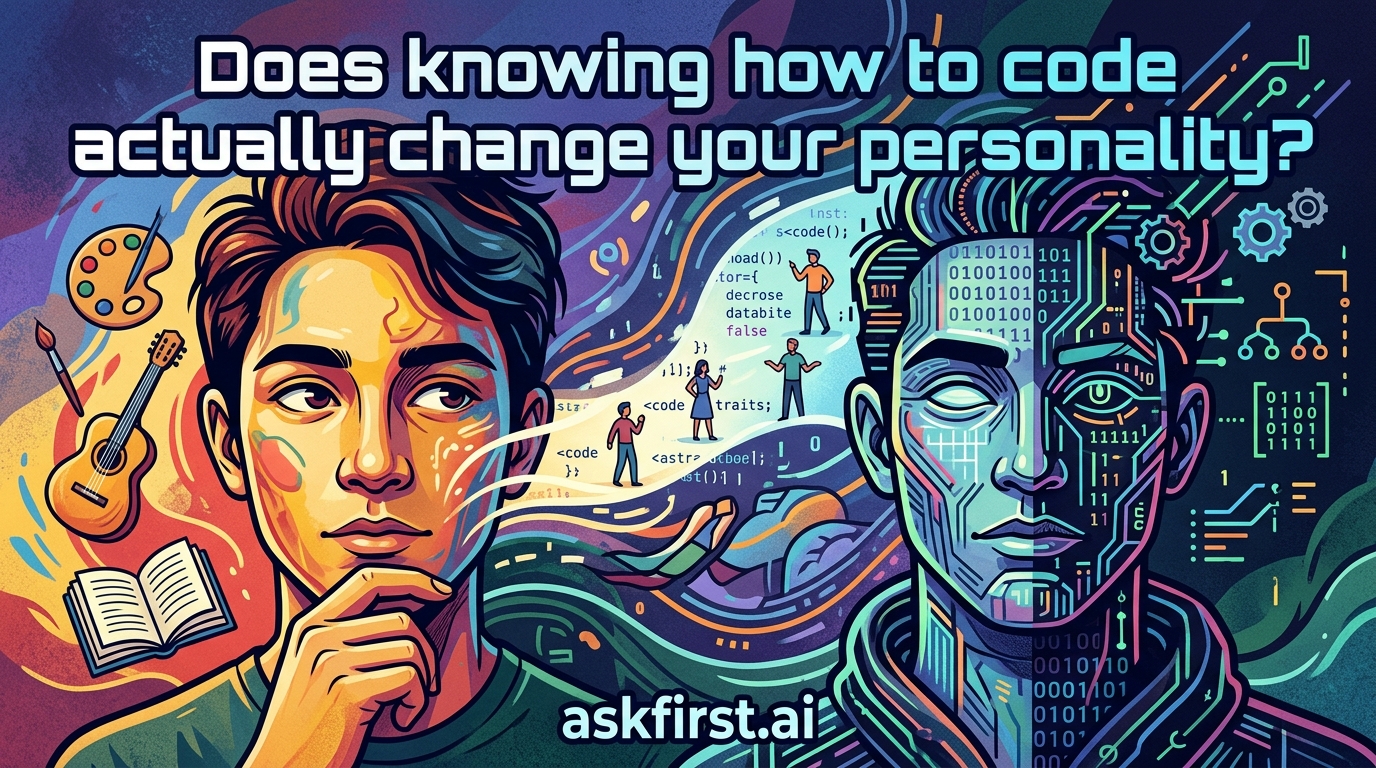
The Algorithmic Mind: Does Coding Rewire Your Brain?
Learning to program is often discussed in terms of career advancement or technical utility, yet the psychological implications are profound. When an individual engages deeply with computer science, they undergo a cognitive metamorphosis that transcends simple syntax and logic. This transition influences decision-making, patience, and problem-solving styles in ways that permeate daily life.
The Logic-Driven Cognitive Shift
At the core of the coding experience lies the transition from holistic thinking to algorithmic decomposition. Coding requires the ability to break complex, monolithic tasks into granular, manageable steps—a process known as functional decomposition. Over time, this becomes a reflexive mental habit. A professional programmer does not see a household problem; they see a series of inputs, conditional logic branches, and expected outputs.
- Analytical Detachment: Programmers often develop a capacity to separate emotion from objective reality. By treating problems as systems to be debugged, individuals reduce anxiety in high-pressure situations.
- Systemic Pattern Recognition: The brain becomes hyper-attuned to repetition and structural inefficiencies. This often leads to a natural tendency to optimize everyday workflows, from grocery shopping routes to organizational habits.
Persistence and the Debugging Mindset
The most significant personality alteration involves the development of "intellectual resilience." Coding is inherently built on failure; code rarely executes perfectly on the first attempt. This constant exposure to errors cultivates a unique form of patience. Unlike traditional education, where failure is penalized, coding celebrates failure as an essential diagnostic step. Research in neuroplasticity suggests that repeated engagement with complex debugging strengthens the neural pathways associated with grit and perseverance. This does not make a person "cold" or "robotic"; rather, it makes them exceptionally steady in the face of ambiguity.
The Cautionary Tale: Precision vs. Nuance
While coding enhances analytical rigor, it carries the potential for over-application. Sometimes, the desire to find a single, "clean" solution can clash with the messy, nuanced nature of human relationships and social dynamics. Those who code must consciously learn that not every interpersonal issue has a binary solution or a syntax error that can be simply patched. Recognizing the limitation of logic is a sign of a mature, seasoned developer.
Conclusion: The Synthesis of Art and Logic
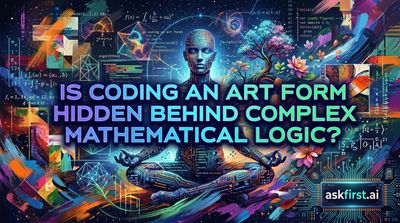
Ultimately, learning to code refines the personality by adding a layer of structured contemplation. It teaches that while logic is the scaffold upon which solutions are built, creativity remains the essential ingredient that gives those solutions life. The result is a hybrid persona: one that appreciates the beauty of efficiency and systemic order, while still navigating the unpredictable complexities of human existence with a clearer, more resilient mind.