Can Tooth Decay Be Reversed? A Comprehensive Guide to Dental Caries Management
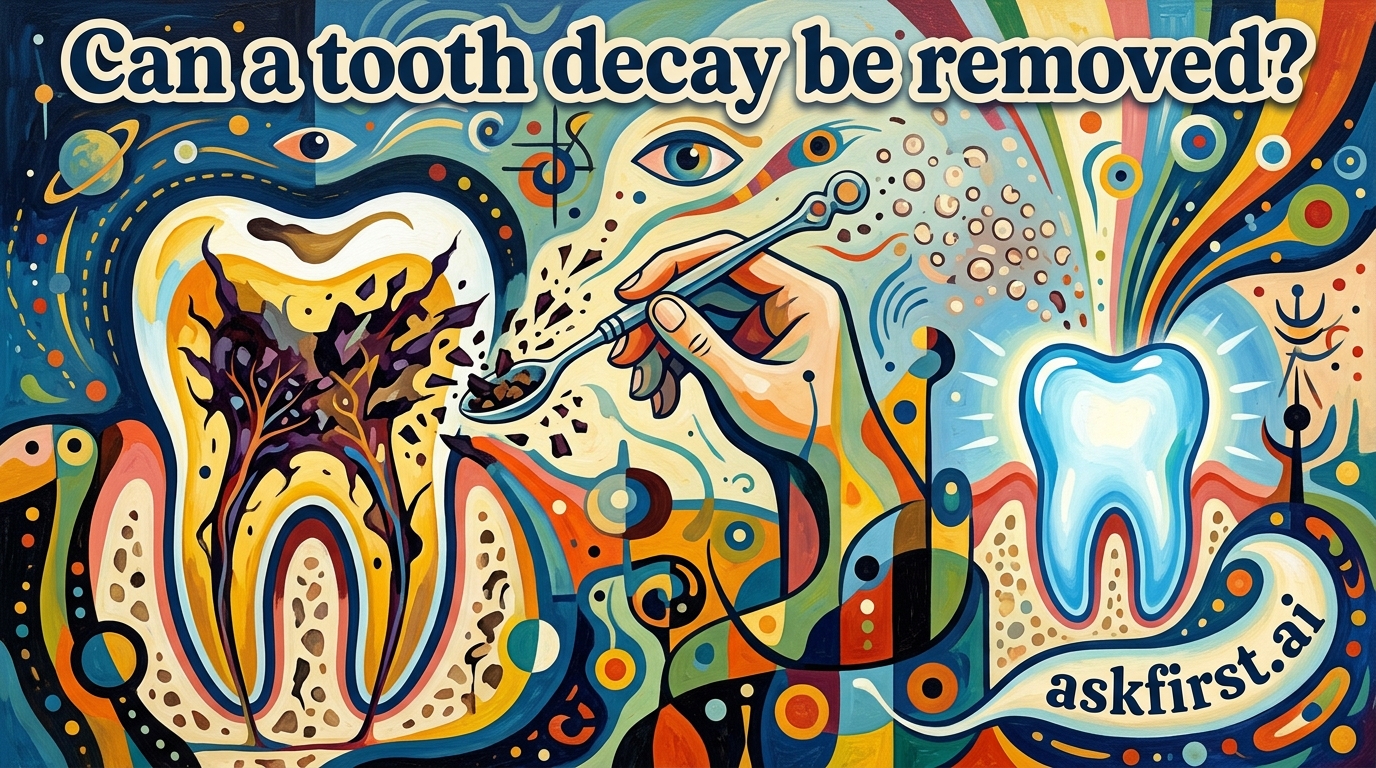
Tooth decay, clinically known as dental caries, is one of the most prevalent chronic diseases globally. It occurs when bacteria in the mouth produce acids that erode the tooth enamel, leading to the formation of cavities. A critical distinction exists in dentistry: while early-stage decay can be reversed, advanced decay—where the tooth structure has physically cavitated—cannot be "healed" by the body and requires professional intervention.
The Science of Remineralization
In its earliest stage, known as a "white spot lesion," decay is reversible. The enamel is a dynamic tissue that undergoes constant cycles of demineralization (losing minerals like calcium and phosphate due to acid) and remineralization (regaining these minerals from saliva and fluoride).
If the demineralization process is halted, the tooth can repair itself. This is why dentists recommend:
- Fluoride Treatments: Fluoride strengthens enamel, making it more resistant to acid.
- Improved Oral Hygiene: Consistent brushing and flossing remove the biofilm (plaque) that fuels acid production.
- Dietary Adjustments: Reducing the frequency of sugar and carbohydrate intake limits the "acid attacks" on teeth.
When Intervention is Mandatory
Once the decay penetrates the enamel and reaches the dentin (the layer beneath the enamel), the structure is compromised. At this stage, the tooth cannot regenerate the lost tissue. To prevent the decay from reaching the pulp (the nerve center of the tooth), a dentist must perform a physical restoration.
Standard Clinical Procedures
- Dental Fillings: The decayed material is removed, and the space is filled with composite resin, porcelain, or amalgam.
- Dental Crowns: If the decay is extensive and little healthy tooth structure remains, a crown is placed to protect the tooth.
- Root Canal Therapy: If the decay reaches the pulp, causing infection or death of the nerve, the pulp must be removed and the canal sealed.
- Extraction: In cases of catastrophic decay where the tooth is non-restorable, the tooth must be removed to prevent systemic infection.
Pros and Cons of Treatment
- Pros of Professional Intervention: Stops pain, prevents the spread of infection to the jawbone, restores chewing function, and maintains dental alignment.
- Cons: Financial cost, potential dental anxiety, and the reality that artificial fillings do not last forever and will eventually require replacement.
Future Trends in Dentistry
The field is moving toward regenerative dentistry. Scientists are currently researching peptides and stem cell therapies that could potentially trigger the regrowth of natural dentin and enamel, effectively "growing back" a tooth structure. While these technologies are currently in clinical trials or laboratory settings, they represent the future of moving beyond mechanical fillings.
Conclusion
To summarize: Surface-level demineralization is reversible through fluoride and lifestyle changes. However, once a physical hole (cavity) has formed, the damage is permanent and necessitates professional treatment. Regular biannual check-ups are the most effective strategy to catch decay while it is still in the reversible phase, saving you time, money, and discomfort in the long run.