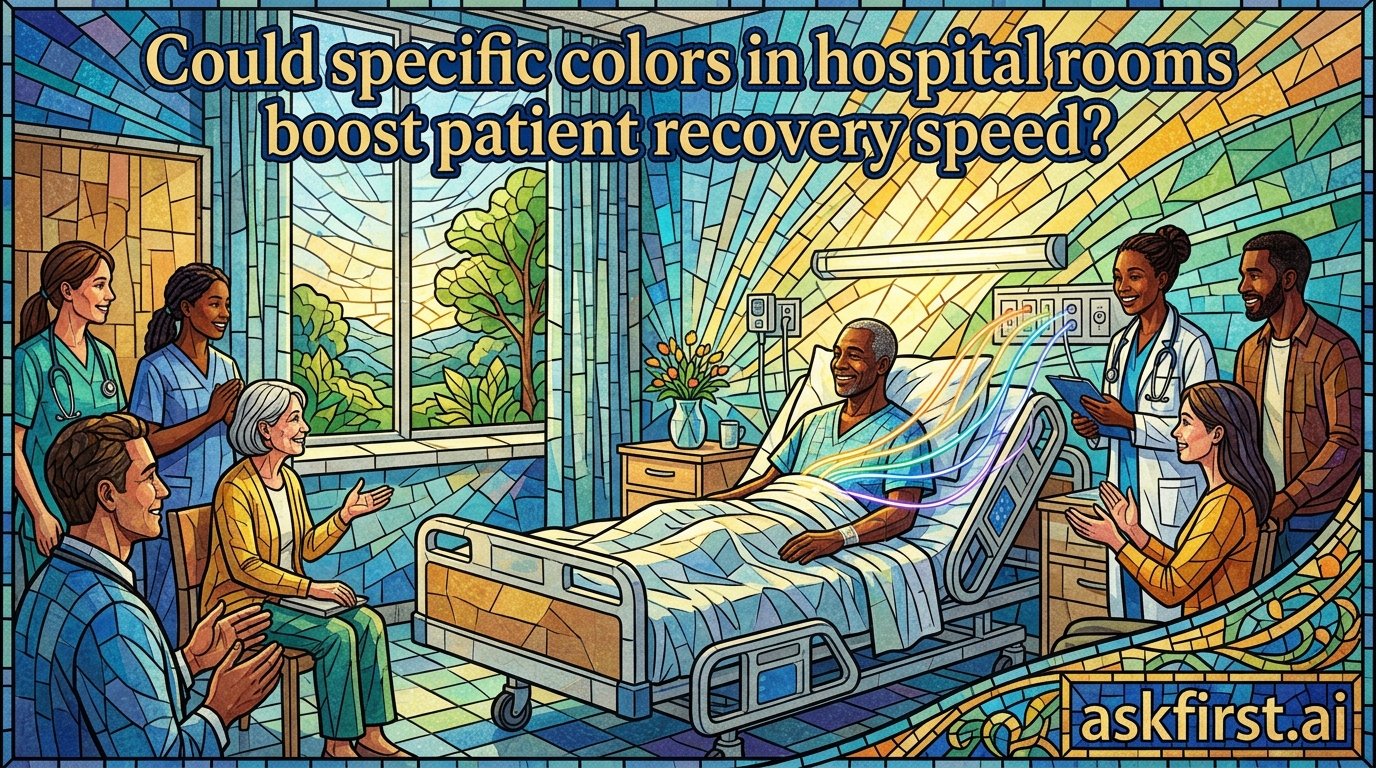
The Chromatic Cure: How Interior Color Influences Healing
The environment in which a patient recovers is far from a neutral backdrop. Scientific evidence increasingly supports the theory that color psychology plays a tangible role in physiological and mental recovery. By strategically selecting colors for clinical settings, healthcare facilities may move beyond mere aesthetics to leverage interior design as a legitimate tool for well-being.
The Psychology of Spectral Influence
Color perception is deeply rooted in evolutionary biology, where specific hues signaled environmental safety, danger, or abundance. In a clinical setting, this translates into varying impacts on the autonomic nervous system:
- Cool Blues and Greens: Research indicates these shades effectively lower blood pressure and heart rates. Soft blue hues are frequently associated with tranquility and the reduction of perceived stress levels.
- Warm Tones: While often avoided in clinical rooms due to potential agitation, muted earthy tones like terracotta or sage can foster feelings of comfort and domesticity, which are crucial for long-term patient morale.
- High-Contrast Hues: Bright yellows or deep reds can improve alertness but are often overwhelming in high-stress medical environments. Their use is typically reserved for common areas rather than recovery rooms.
Empirical Evidence on Recovery Times
The concept of "healing architecture" began gaining momentum with studies showing that patients with a view of nature recovered faster than those facing brick walls. Extending this logic, the "nature-inspired palette"—utilizing organic greens, sky blues, and warm woods—mimics these restorative outdoor experiences. Studies have noted that when hospital interiors integrate soft, nature-derived color schemes, patients report lower levels of anxiety and a reduced reliance on analgesic medications.
Furthermore, color impacts the "circadian health" of a patient. Proper lighting paired with ambient wall colors helps regulate the sleep-wake cycle. When a room utilizes color temperatures that mimic the natural light spectrum—shifting from cool blues during the day to warm, soft ambers in the evening—it promotes better sleep quality. High-quality sleep is a non-negotiable factor in faster recovery and cellular repair.
Designing for Patient Well-being
Expert design in modern healthcare facilities is moving away from the "sterile white" paradigm that defined the 20th century. While white signifies cleanliness, it often exacerbates feelings of isolation and fear. Instead, designers are adopting:
- Biophilic Integration: Utilizing colors found in flora and terrain to decrease cortisol levels.
- Visual Comfort: Selecting matte finishes over glossy ones to reduce glare, which can trigger headaches or sensory fatigue.
- Spatial Clarity: Using color coding to help patients navigate their space, reducing the confusion and anxiety associated with unfamiliar hospital environments.
While color is not a substitute for medical treatment, its ability to influence the patient's internal state is undeniable. By transforming hospitals into healing sanctuaries rather than mere containment units, practitioners can optimize the environment to support the body’s innate healing capacity.