Understanding Pediatric Hiccups: Causes, Mechanisms, and Management
Hiccups, medically known as singultus, are involuntary, rhythmic contractions of the diaphragm followed by the sudden closure of the glottis (the vocal cords). While often perceived as a nuisance, they are a normal physiological phenomenon in children, particularly in infants.
The Physiological Mechanism
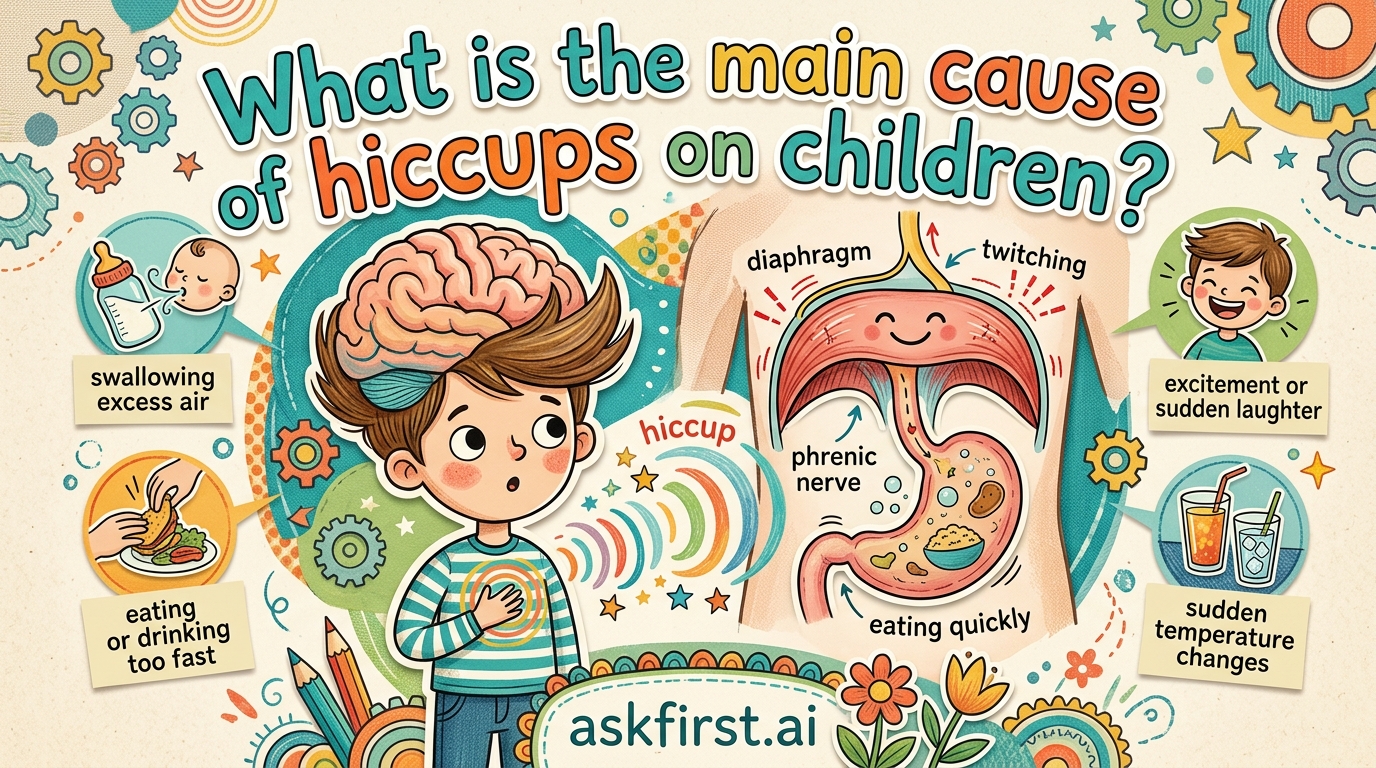
A hiccup occurs when the phrenic nerve—which controls the diaphragm—is stimulated. This causes the diaphragm to spasm downward, pulling air into the lungs quickly. Simultaneously, the glottis snaps shut, cutting off the airflow and producing the characteristic "hic" sound. In children, this process is usually benign and self-limiting.
Primary Causes in Children
The etiology of hiccups in children varies significantly by age group.
1. Gastrointestinal Distension
The most common cause in infants and young children is stomach distension. When the stomach fills with air or food, it expands and presses against the diaphragm. This is frequently triggered by:
- Rapid Feeding: Infants who swallow air while nursing or bottle-feeding.
- Overeating: Consuming large meals too quickly.
- Carbonated Beverages: The release of gas from sodas can distend the stomach.
2. Temperature Fluctuations
Rapid changes in temperature can trigger the phrenic nerve. This is often observed when a child moves from a warm environment to a cold one, or after consuming very hot or ice-cold foods.
3. Emotional and Physical Triggers
- Excitement or Stress: Intense emotional states can disrupt regular breathing patterns, leading to spasms.
- Swallowing Irritants: Spicy foods or swallowing a large, dry bolus of food can irritate the esophagus, indirectly stimulating the diaphragm.
Practical Management and Home Remedies
Most childhood hiccups do not require medical intervention. Parents can often mitigate them using gentle, non-invasive techniques:
- Burping: For infants, pausing during feedings to burp the child releases trapped air, relieving pressure on the diaphragm.
- Controlled Breathing: For older children, asking them to hold their breath for a few seconds or breathe into a paper bag can reset the respiratory rhythm.
- Hydration: Sipping cool water or drinking from a straw can help stimulate the vagus nerve and relax the diaphragm.
- Distraction: Engaging the child in a different activity can sometimes shift their autonomic nervous system focus.
When to See a Pediatrician
While almost all hiccups are harmless, parents should consult a medical professional if:
- Duration: Hiccups last longer than 48 hours.
- Frequency: They occur with extreme regularity and interfere with daily activities, sleep, or nutrition.
- Associated Symptoms: Hiccups are accompanied by vomiting, acid reflux, shortness of breath, or abdominal pain. This could indicate Gastroesophageal Reflux Disease (GERD) or other underlying metabolic or neurological issues.
Historical Perspective and Future Trends
Historically, hiccups were viewed as a "cleansing" mechanism for the digestive tract. Modern research suggests they may be a vestigial reflex from mammalian evolution, potentially assisting in the transition to terrestrial breathing. Future trends in pediatric care are moving toward non-pharmacological interventions, emphasizing the importance of feeding posture and infant positioning to minimize the incidence of these involuntary spasms. By understanding these triggers, parents can effectively manage this common developmental milestone.