The Golden Remedy: Ancient Honey as a Potent Wound Healer
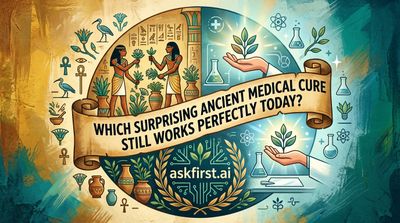
For millennia, honey has transcended its reputation as a simple sweetener, serving as a cornerstone of ancient clinical practice across diverse civilizations. From the Egyptians and Greeks to the ancient Chinese, historical texts reveal a sophisticated understanding of honey as a therapeutic agent for tissue repair and infection control. Modern clinical studies have confirmed what our ancestors intuitively practiced: honey is an exceptionally potent antimicrobial substance.
The Mechanisms of Action
How did ancient healers effectively treat wounds with honey long before the discovery of antibiotics? The efficacy of honey is rooted in a unique combination of biological and chemical properties:
- Osmotic Pressure: Honey possesses a high sugar content, which draws moisture out of bacterial cells via osmosis, effectively dehydrating and destroying them.
- Acidic pH: With a typical pH between 3.2 and 4.5, the acidity of honey inhibits the growth of common wound-infecting pathogens.
- Hydrogen Peroxide Production: Upon contact with wound fluids, the enzyme glucose oxidase present in honey reacts with oxygen to slowly produce hydrogen peroxide, a powerful antiseptic.
- Bioactive Compounds: Phytochemicals, including flavonoids and phenolic acids, provide significant antioxidant and anti-inflammatory benefits that stimulate faster epithelialization.
Historical Applications
The Edwin Smith Papyrus, the world’s oldest surgical document dating back to 1600 BCE, explicitly details the use of honey mixed with grease and lint to dress open wounds. Ancient Greek physicians, including Hippocrates, routinely recommended honey to alleviate pain and accelerate healing in necrotic skin conditions. This practice was not a folk remedy born of superstition but a highly refined observational medical technique that persisted through the Middle Ages.
Honey Versus Modern Antibiotics
The rising challenge of antibiotic-resistant bacteria, such as Methicillin-resistant Staphylococcus aureus (MRSA), has spurred a modern revival of honey-based wound dressings. Clinical-grade honey, particularly Manuka honey sourced from the Leptospermum scoparium tree, is currently utilized in sterile surgical environments. Unlike many conventional antibiotics that target specific metabolic pathways, honey attacks bacteria through multiple simultaneous mechanisms, making it nearly impossible for pathogens to develop resistance. The physical barrier created by a honey dressing also provides a moist environment that protects the wound bed from environmental contaminants while facilitating easier dressing removal without damaging new cell growth. Ancient healers were right to rely on this golden elixir; its ability to modulate the immune response and encourage fibroblast activity proves that ancient nature-based medicine often held secrets that modern science is only now fully documenting with rigorous precision.