Supercharge Your Immunity: The Definitive Guide to Immune-Boosting Nutrition
A robust immune system acts as the body’s primary defense mechanism against pathogens, viruses, and environmental stressors. While no single food can act as a panacea, a dietary pattern rich in specific micronutrients—namely vitamins C, D, E, and minerals like zinc and selenium—can significantly enhance immune function.
Essential Nutrients and Their Sources
To maintain a resilient immune response, the body requires a diverse intake of whole foods. The following categories are scientifically recognized for their immunomodulatory properties:
1. Vitamin C Powerhouses
Vitamin C is essential for the production of white blood cells, which fight infections.
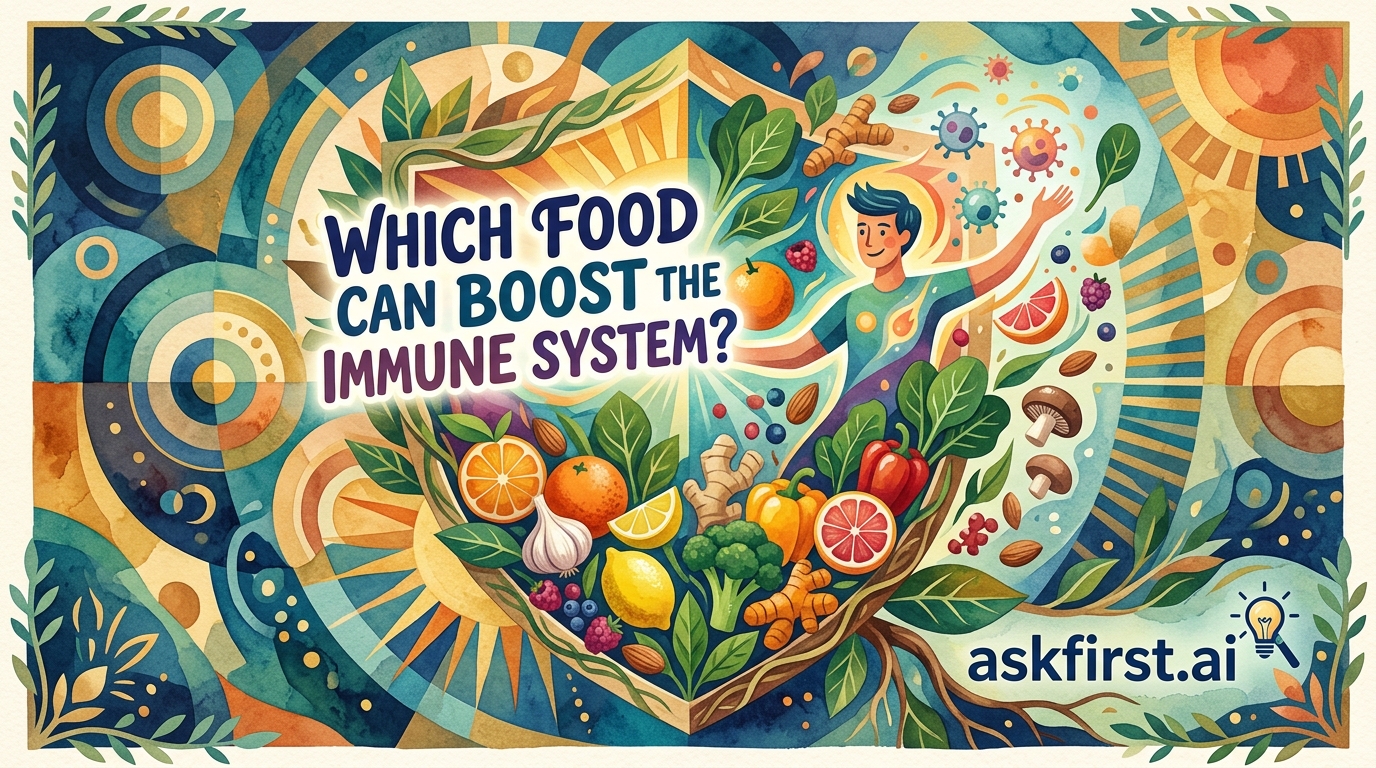
- Citrus Fruits: Oranges, grapefruits, lemons, and limes.
- Bell Peppers: Red bell peppers contain nearly three times as much vitamin C as an orange.
- Cruciferous Vegetables: Broccoli and Brussels sprouts are loaded with vitamins A, C, and E, alongside fiber and antioxidants.
2. Zinc and Protein
Zinc is critical for the development and function of immune cells.
- Shellfish: Oysters, crab, and lobster are among the highest natural sources of zinc.
- Legumes: Chickpeas, lentils, and beans provide plant-based protein and zinc.
- Seeds: Pumpkin seeds and sesame seeds are excellent additions to salads or yogurts.
3. Antioxidants and Anti-inflammatory Foods
Chronic inflammation can suppress the immune system. Antioxidants neutralize free radicals that cause cellular damage.
- Garlic: Contains allicin, which has been shown to boost the disease-fighting response of some types of white blood cells.
- Ginger: Known for its anti-inflammatory and antioxidant effects, ginger can help reduce sore throats and inflammatory illnesses.
- Turmeric: Curcumin, the active compound in turmeric, is a potent anti-inflammatory agent.
4. Gut Health and Probiotics
Approximately 70-80% of the immune system resides in the gut. Consuming fermented foods supports the microbiome.
- Yogurt and Kefir: Look for labels that say "live and active cultures."
- Kimchi and Sauerkraut: These fermented vegetables provide beneficial bacteria that strengthen the intestinal barrier.
Practical Implementation: A Step-by-Step Guide
- Prioritize Variety: Aim for a "rainbow" diet. Different colors in fruits and vegetables represent different phytonutrients.
- Hydration: Water is vital for the production of lymph, which carries white blood cells throughout the body.
- Limit Processed Sugars: High sugar intake can temporarily impair the ability of white blood cells to destroy bacteria.
- Consistency: Immune health is a marathon, not a sprint. Incorporate these foods into daily meals rather than relying on sporadic consumption.
Pros, Cons, and Considerations
Pros:
- Cost-effective: Whole foods like lentils and seasonal vegetables are generally affordable.
- Synergistic Effects: Whole foods provide complex nutrient profiles that supplements often lack.
Cons:
- Bioavailability: Some nutrients (like iron from plants) are harder to absorb than others.
- Lifestyle Factors: Diet cannot compensate for chronic sleep deprivation, high stress, or lack of physical activity.
Future Trends and Conclusion
Recent research is focusing heavily on the "gut-brain-immune axis," exploring how specific fiber types (prebiotics) feed healthy bacteria to modulate immune responses. While supplements like Vitamin D are often necessary in northern latitudes, a balanced diet remains the gold standard. By integrating these nutrient-dense foods consistently, you provide your body with the biological tools necessary to remain resilient against seasonal threats and long-term health challenges.