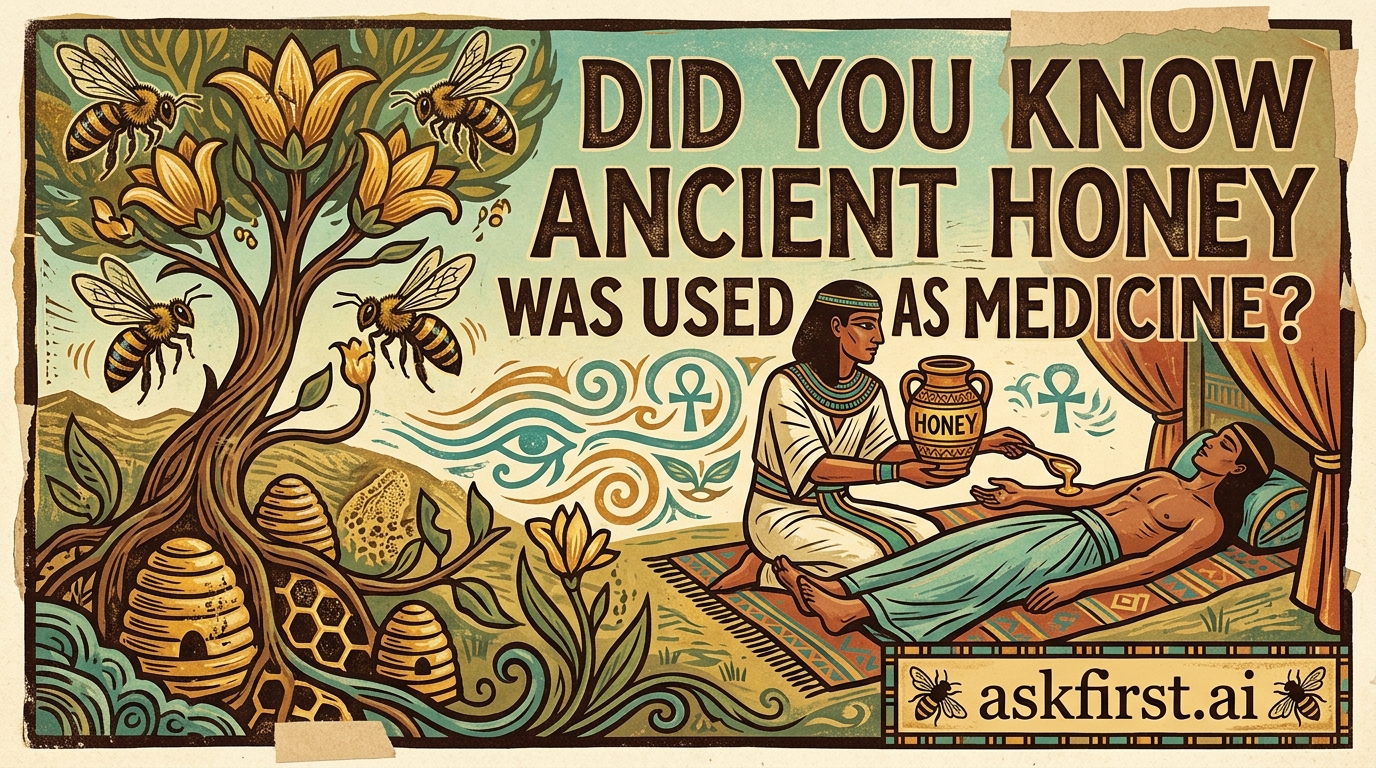
The Golden Elixir: Honey as Ancient Medicine
Honey has served as more than just a sweet treat for human civilization; it has functioned as a cornerstone of ancient pharmacological practice. From the tomb of King Tutankhamun to the sacred texts of the Vedic tradition, honey has been revered for its profound healing properties. Unlike modern processed sugars, natural raw honey contains a complex array of enzymes, antioxidants, and trace minerals that facilitated its role as a premier medical resource long before the advent of laboratory-produced antibiotics.
The Mechanisms of Healing
The efficacy of honey lies in its unique chemical composition. It is naturally acidic, with a pH typically between 3.2 and 4.5, which inhibits the growth of many pathogenic microorganisms. Furthermore, its high osmotic pressure pulls water out of bacterial cells, effectively dehydrating them. The presence of glucose oxidase—an enzyme added by bees during the production process—leads to the continuous release of hydrogen peroxide, providing a gentle yet consistent antimicrobial barrier against wound infections.
Historical Perspectives
Across the globe, diverse civilizations independently discovered the therapeutic benefits of honey:
- Ancient Egypt: Records from the Smith Papyrus, dating back to 2600 BCE, explicitly document the use of honey to treat wounds and external injuries. It was often mixed with grease and lint to create topical dressings.
- Ancient Greece: Hippocrates, the father of medicine, regularly recommended honey for pain relief, skin ailments, and even as an expectorant for persistent coughs. It was viewed as a vital component of a healthy, longevity-focused diet.
- Ayurvedic Medicine: In India, honey has been utilized for millennia to treat a variety of conditions, ranging from gastrointestinal distress to vision disorders. It is often cited as a Yogavahi, meaning it acts as a carrier to transport other medicinal herbs deeper into the body tissues.
Modern Scientific Validation
Contemporary medical research has increasingly validated these ancient practices. Clinical studies focusing on Manuka honey, in particular, highlight its ability to neutralize antibiotic-resistant bacteria like Staphylococcus aureus. Unlike standard antiseptic treatments that can cause tissue damage, high-grade medical honey promotes tissue regeneration and reduces inflammation, making it an ideal treatment for burns, ulcers, and postoperative sites.
Ethical Considerations and Purity
It is imperative to distinguish between commercial, pasteurized honey and medical-grade honey. Most honey found in grocery stores undergoes heat processing that destroys the delicate enzymes and phytonutrients responsible for its medicinal potency. For therapeutic purposes, raw, unprocessed, and sterilized varieties are essential. When used responsibly, honey remains one of the most effective, accessible, and fascinating examples of nature’s ability to provide sophisticated pharmaceutical solutions to human health challenges.