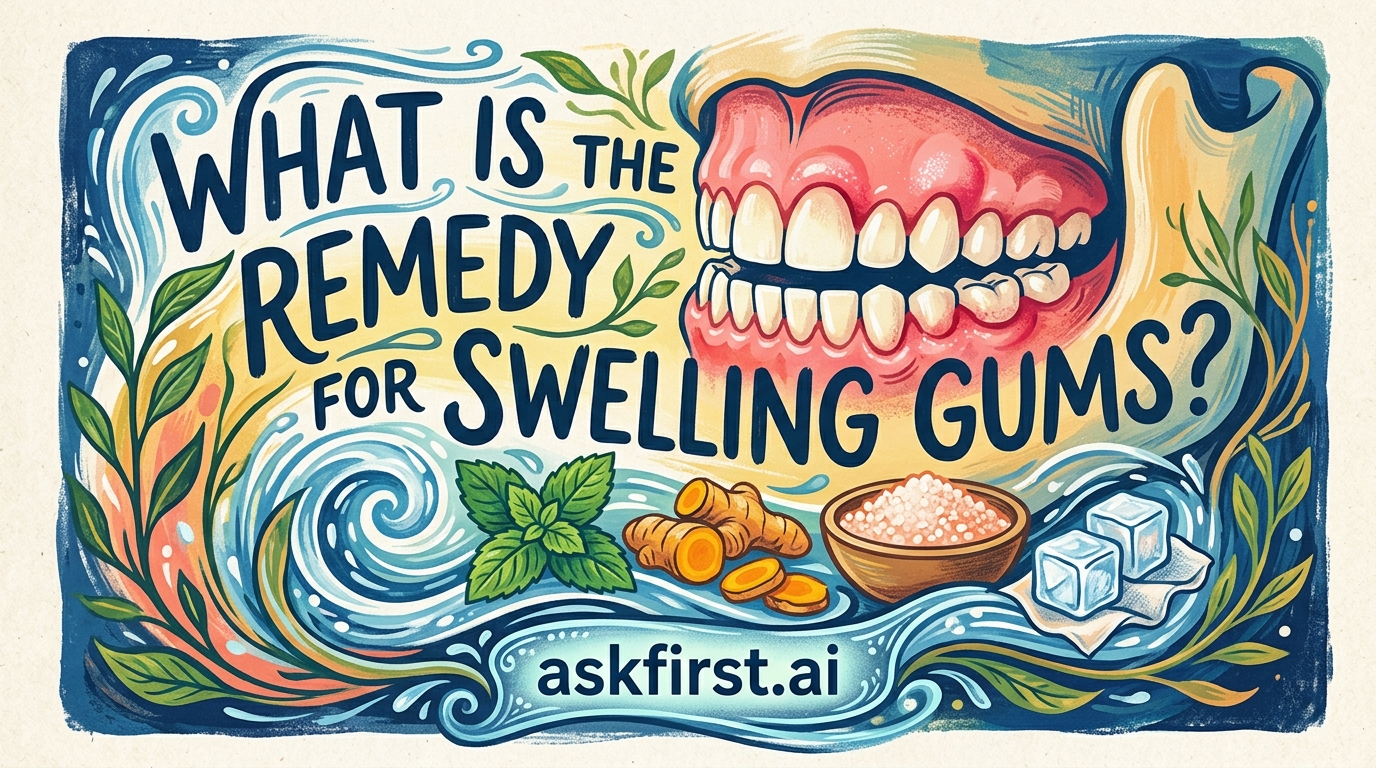
Comprehensive Guide to Managing and Treating Swelling Gums
Swelling of the gums, medically referred to as gingival edema, is a frequent oral health issue that often signals underlying inflammation, infection, or systemic health concerns. Characterized by redness, tenderness, and increased sensitivity, the condition requires a multi-faceted approach to resolution.
1. Immediate Home Remedies for Symptom Relief
When gums first begin to swell, immediate intervention can prevent the progression of periodontal disease.
- Saltwater Rinses: Dissolve 1/2 teaspoon of salt in eight ounces of warm water. Swish gently for 30 seconds and spit. Saltwater creates an osmotic environment that inhibits bacterial growth and reduces inflammation.
- Cold Compresses: Apply a cold pack to the exterior of the cheek for 15–20 minutes. This constricts blood vessels, effectively numbing the area and reducing localized swelling.
- Oral Hygiene Adjustment: Switch to an extra-soft bristled toothbrush to avoid mechanical irritation. Maintain rigorous flossing, even if minor bleeding occurs, to dislodge debris that may be causing the inflammation.
2. Professional Medical Interventions
If swelling persists for more than 48 hours, professional intervention is mandatory to diagnose the root cause.
- Professional Cleaning (Scaling and Root Planing): A dental hygienist removes hardened plaque (tartar) from below the gum line, which is often the primary culprit for chronic swelling.
- Antibiotic Therapy: If an abscess or severe infection is present, dentists may prescribe oral antibiotics (e.g., amoxicillin or metronidazole) or topical antibiotic gels applied directly into the periodontal pockets.
- Surgical Correction: In advanced cases, such as gingival hyperplasia (overgrowth of gum tissue due to medications or genetics), a gingivectomy may be required to surgically remove excess tissue.
3. Common Etiologies
Understanding why gums swell is critical for long-term prevention.
- Gingivitis: The mildest form of gum disease, usually caused by poor plaque control.
- Periodontitis: An advanced stage where inflammation spreads to the bone, potentially causing tooth loss.
- Hormonal Fluctuations: Pregnancy, menstruation, and menopause can increase blood flow to the gums, making them more reactive to plaque.
- Nutritional Deficiencies: Lack of Vitamin C (scurvy) or B12 can lead to bleeding and swollen tissues.
- Medication Side Effects: Certain drugs for hypertension (calcium channel blockers) or immunosuppressants (cyclosporine) are known to cause gingival enlargement.
4. Prevention and Long-Term Maintenance
To prevent recurrence, adopt the following evidence-based protocol:
- Mechanical Plaque Removal: Use electric toothbrushes with pressure sensors to ensure thorough cleaning without damaging tissue.
- Interdental Cleaning: Use water flossers or interdental brushes to target areas where traditional floss cannot reach.
- Lifestyle Optimization: Smoking cessation is paramount, as tobacco restricts blood flow to the gums, masking the symptoms of infection while accelerating tissue destruction.
- Dietary Adjustments: Reduce intake of refined sugars, which serve as fuel for the bacteria that cause plaque accumulation.
5. Future Trends in Periodontal Care
The field of periodontology is moving toward personalized regenerative medicine. Research is currently focused on using platelet-rich fibrin (PRF) and stem cell therapies to regenerate lost gum tissue and bone, moving away from purely reactive surgery toward biological restoration.
Disclaimer: This information is for educational purposes. If you experience fever, difficulty swallowing, or severe pain, seek emergency dental or medical care immediately.