Understanding Hormonal Imbalance: A Comprehensive Guide
Hormonal imbalance occurs when there is too much or too little of one or more hormones in the bloodstream. Because hormones are the body's chemical messengers, they play a critical role in controlling most major bodily functions, including metabolism, reproduction, mood, and sleep. When these levels fluctuate outside of optimal ranges, the physiological consequences can be systemic and disruptive.
Common Symptoms and Clinical Indicators
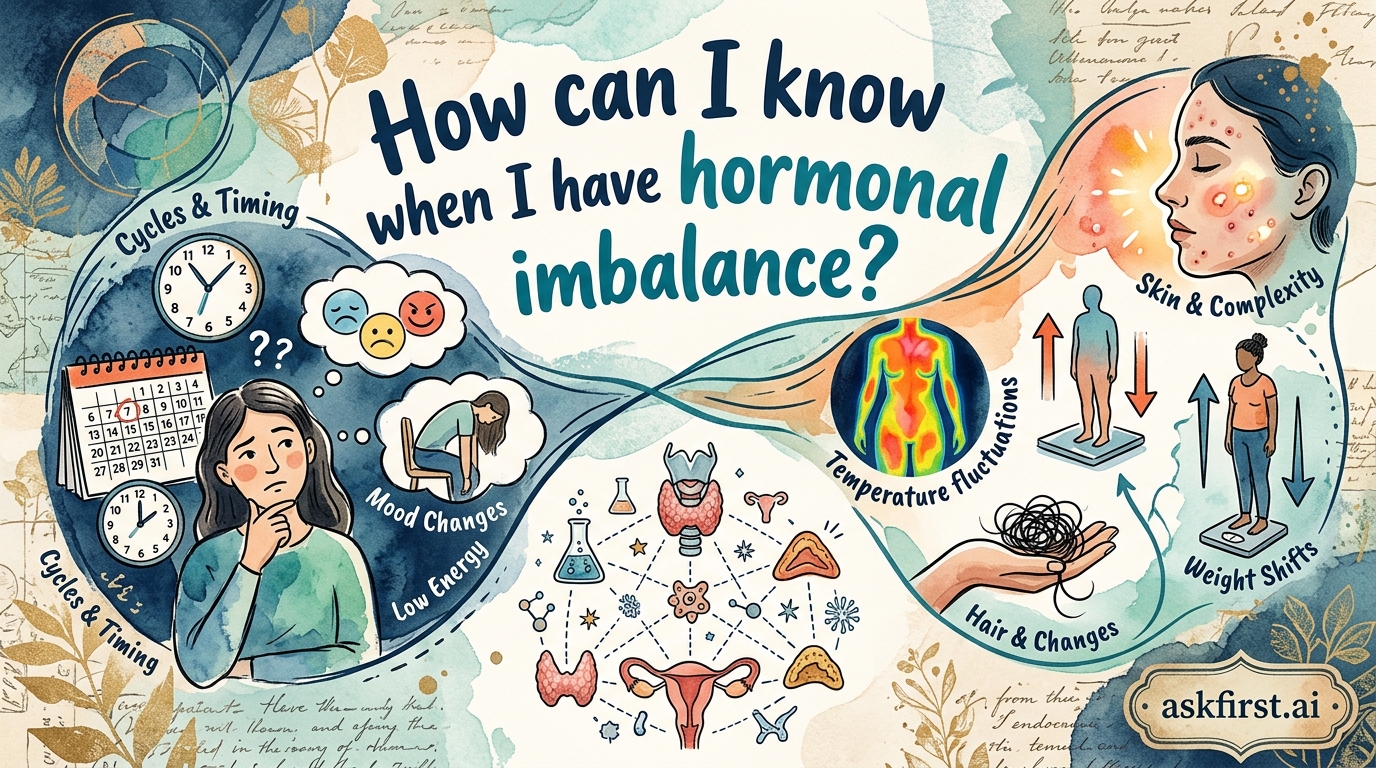
Identifying a hormonal imbalance requires clinical observation, as symptoms often overlap with other medical conditions. However, specific clusters of symptoms are hallmark indicators:
- Metabolic Changes: Unexplained weight gain or loss, persistent fatigue despite adequate sleep, and increased sensitivity to cold or heat.
- Reproductive Disruptions: In women, this includes irregular menstrual cycles, heavy periods, or premature menopause. In men, it may manifest as erectile dysfunction, loss of muscle mass, or gynecomastia.
- Dermatological Issues: Chronic acne (particularly adult-onset), thinning hair, or hirsutism (excessive body hair growth).
- Neurological and Emotional Shifts: Frequent mood swings, persistent anxiety, "brain fog," and sleep disorders such as insomnia.
The Role of Endocrine Systems
The endocrine system consists of glands that secrete hormones directly into the circulatory system. Key players include the thyroid, adrenal glands, pancreas, ovaries, and testes. For example, an overactive thyroid (hyperthyroidism) can accelerate metabolism, causing rapid heart rate and weight loss, while an underactive thyroid (hypothyroidism) slows down bodily processes, leading to lethargy and depression.
Diagnostic Procedures
If you suspect an imbalance, self-diagnosis is insufficient. A medical professional will typically follow a structured diagnostic path:
- Blood Tests: Measuring hormone levels like cortisol, insulin, testosterone, estrogen, and thyroid-stimulating hormone (TSH).
- Physical Examination: Checking for physical signs such as neck swelling (goiter) or skin changes.
- Imaging: Ultrasounds or MRIs may be used to look for cysts or tumors on endocrine glands like the pituitary or ovaries.
Practical Steps to Support Hormonal Health
While some imbalances require hormone replacement therapy (HRT) or medication, lifestyle modifications are foundational to endocrine stability:
- Nutritional Optimization: Prioritize high-quality protein, fiber-rich vegetables, and healthy fats (omega-3s). Minimize processed sugars and refined carbohydrates, which trigger spikes in insulin.
- Stress Management: Chronic stress elevates cortisol. Practices such as meditation, yoga, and deep-breathing exercises can regulate the hypothalamic-pituitary-adrenal (HPA) axis.
- Sleep Hygiene: Hormones like growth hormone and melatonin are regulated by circadian rhythms. Aim for 7–9 hours of quality sleep in a dark, cool environment.
- Environmental Awareness: Limit exposure to endocrine-disrupting chemicals (EDCs) found in certain plastics, pesticides, and personal care products (e.g., BPA and phthalates).
Future Trends and Conclusion
The future of hormonal health lies in personalized medicine. Advances in genomic testing and wearable biometric monitors are allowing individuals to track hormonal fluctuations in real-time. By integrating AI-driven analytics with traditional endocrinology, patients can receive highly tailored interventions.
Summary: Hormonal imbalance is a complex but manageable condition. If you experience persistent, unexplained changes in your health, consult an endocrinologist. Early detection through blood panels and professional guidance is the most effective way to restore systemic equilibrium.