Why Kids Get Constipated: Common Causes and Solutions
Understanding Pediatric Constipation: Causes, Symptoms, and Management
Pediatric constipation is a common clinical concern, affecting approximately 3% to 30% of children globally. Defined as the infrequent passage of hard, dry stools or difficulty in defecation, it is rarely caused by a single factor. Instead, it is usually the result of a complex interplay between behavioral, dietary, and physiological triggers.
Primary Behavioral and Dietary Causes
The most frequent cause of constipation in children is functional constipation, which is not related to any underlying disease.
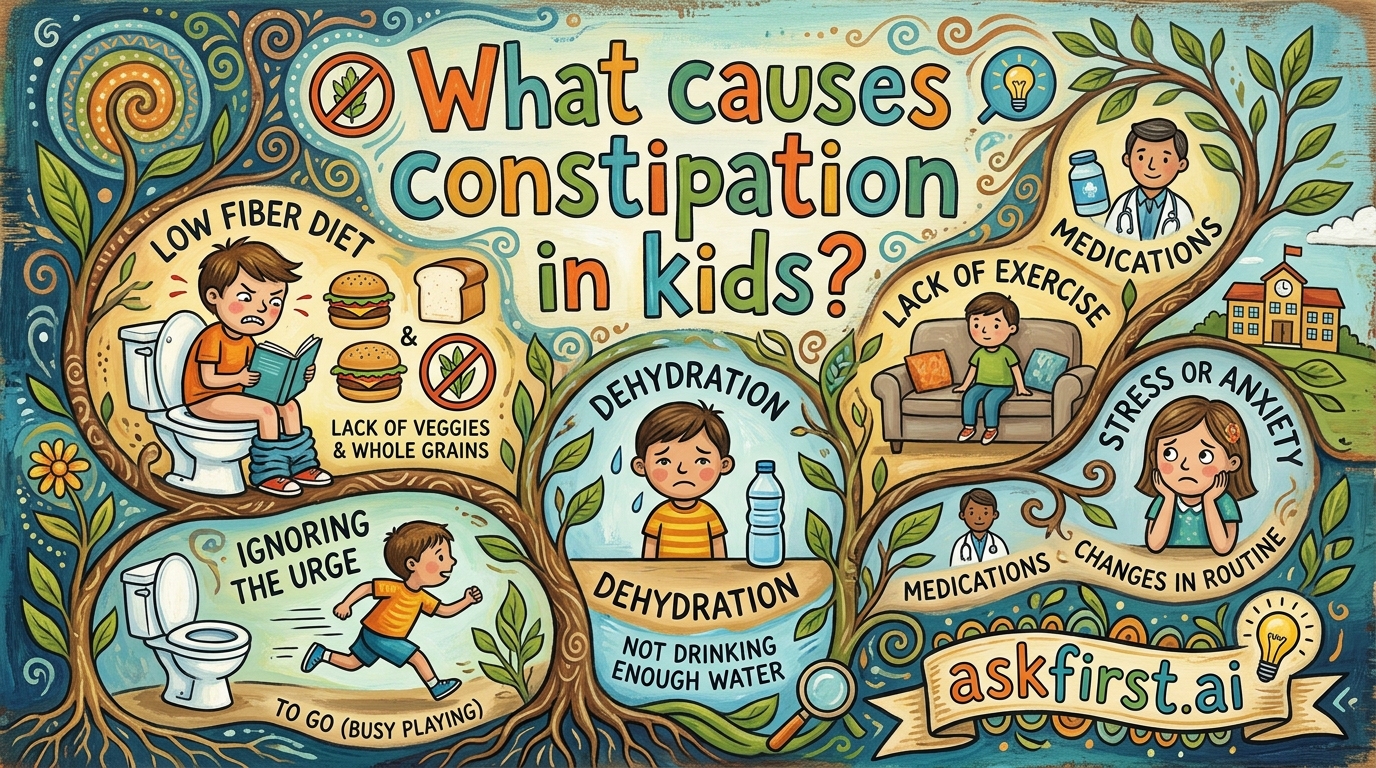
- Withholding Behavior: Many children begin to withhold stool due to a painful experience, fear of using public restrooms, or being too preoccupied with play. This creates a cycle: the stool remains in the rectum, water is reabsorbed, the stool becomes harder and larger, and subsequent attempts to pass it become even more painful, reinforcing the avoidance behavior.
- Dietary Imbalances: A diet low in dietary fiber—found in fruits, vegetables, and whole grains—is a significant contributor. Furthermore, excessive consumption of processed foods, dairy products, or a lack of adequate fluid intake can slow down bowel transit time.
- Transition Periods: Key developmental milestones, such as potty training, starting school, or moving to a new home, can trigger stress-induced constipation. During toilet training, pressure from parents can lead to anxiety, causing the child to resist the urge to defecate.
Physiological and Medical Factors
While rare, secondary causes of constipation exist, necessitating medical evaluation if symptoms persist.
- Anatomical Abnormalities: Issues such as anal stenosis or malrotation can physically impede stool passage.
- Neurological Conditions: Conditions like cerebral palsy or spinal cord injuries can affect the nerve signals required for regular bowel movements.
- Metabolic and Endocrine Disorders: Hypothyroidism, hypercalcemia, and diabetes insipidus are systemic conditions that can manifest as chronic constipation.
- Hirschsprung Disease: A congenital condition where nerve cells are missing in the colon, preventing normal bowel motility. This typically presents in infancy.
Practical Management and Prevention
Addressing pediatric constipation requires a multi-faceted approach. Parents should prioritize the following:
- Dietary Modifications: Increase intake of high-fiber foods such as pears, prunes, apples, and beans. Ensure the child drinks sufficient water throughout the day.
- Structured Toilet Routine: Encourage the child to sit on the toilet for 5–10 minutes after meals. This leverages the gastrocolic reflex, a natural physiological response that triggers bowel movements after eating.
- Physical Activity: Regular exercise helps stimulate normal intestinal contractions.
- Medical Intervention: If behavioral changes fail, pediatricians may recommend osmotic laxatives (like polyethylene glycol) to soften stool. Note: Never administer laxatives without consulting a healthcare professional.
Future Trends and Outlook
Modern pediatric medicine is shifting toward a "biopsychosocial" model, recognizing that gut health is inextricably linked to mental well-being and stress management. Emerging research into the gut microbiome suggests that probiotics and prebiotics may play a larger role in regulating bowel function in the future.
If a child experiences symptoms such as blood in the stool, unexplained weight loss, fever, or a swollen abdomen, professional medical intervention is mandatory to rule out underlying pathologies. With proper management, most children recover fully, though patience is required to break the cycle of withholding.