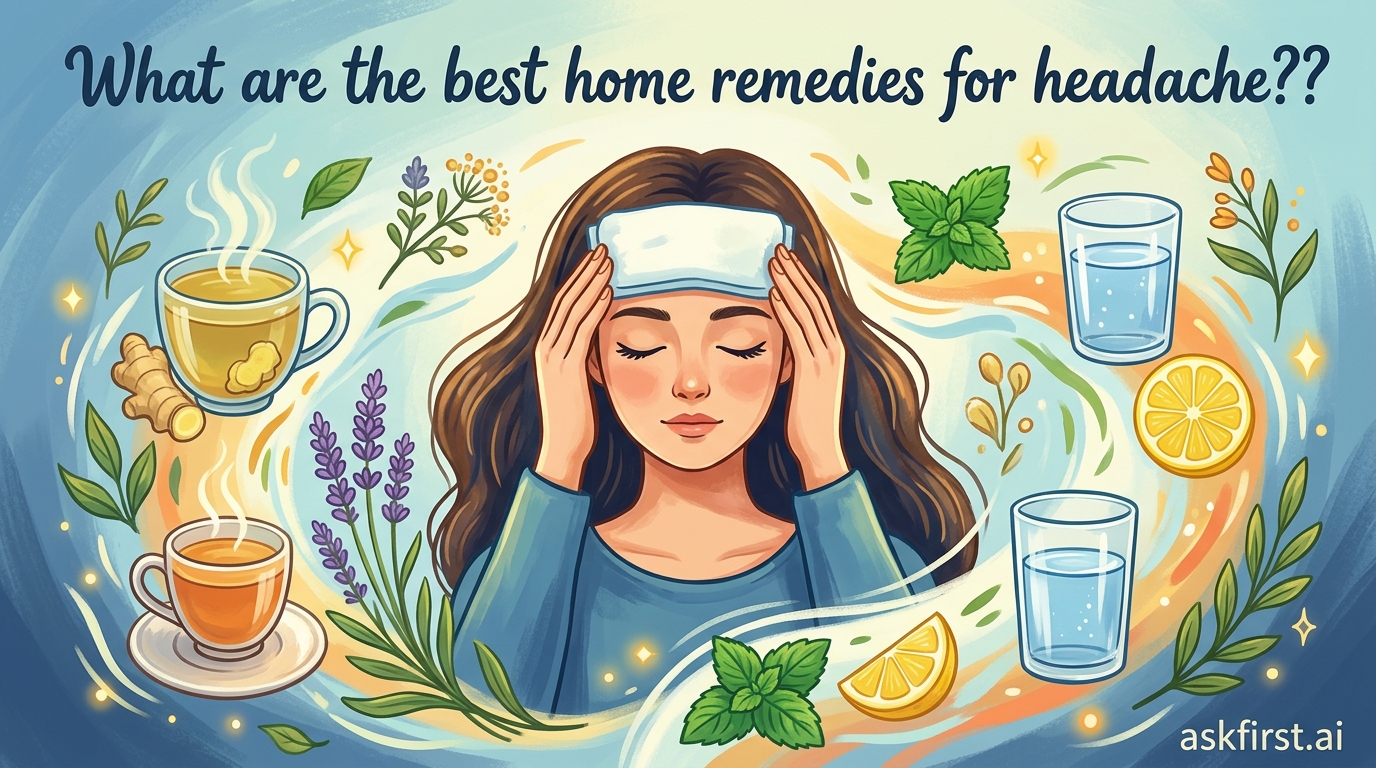
Comprehensive Guide to Home Remedies for Headaches
Headaches are among the most common physical ailments globally, affecting nearly every person at some point in their life. Whether caused by tension, dehydration, eye strain, or environmental stressors, managing them effectively at home can significantly improve quality of life and reduce reliance on over-the-counter pharmaceuticals.
1. Physiological and Lifestyle Interventions
The most effective "remedies" often involve addressing the root physiological cause of the pain.
- Hydration Therapy: Dehydration is a leading cause of tension and migraine-type headaches. Drinking 8–16 ounces of water immediately upon feeling the onset of pain can restore electrolyte balance and reduce vascular constriction.
- Cold and Warm Compresses:
- Cold Therapy: Applying an ice pack wrapped in a cloth to the forehead or temples constricts blood vessels and reduces inflammation, which is highly effective for migraines.
- Heat Therapy: A heating pad or warm towel on the back of the neck or shoulders helps relax tight muscles, making it ideal for tension headaches caused by stress or poor posture.
- Darkness and Sensory Deprivation: Migraines often come with photophobia (light sensitivity) and phonophobia (sound sensitivity). Resting in a cool, dark, and quiet room for 30–60 minutes can allow the nervous system to recalibrate.
2. Herbal and Nutritional Supplements
Several natural compounds have been clinically studied for their efficacy in managing headache frequency and severity.
- Magnesium: Magnesium deficiency is frequently linked to migraines. Daily supplementation (often 400mg) can help stabilize neuronal membranes.
- Peppermint Oil: Menthol, the active ingredient in peppermint, acts as a natural analgesic. Applying a diluted amount to the temples can stimulate blood flow and provide a cooling, numbing sensation.
- Ginger: Ginger root contains anti-inflammatory and anti-nausea properties. Consuming ginger tea or raw ginger can be particularly effective for headaches associated with nausea.
- Caffeine: In moderation, caffeine can help constrict swollen blood vessels and boost the effectiveness of pain relievers, though excessive consumption can lead to rebound headaches.
3. Physical Techniques and Ergonomics
- Acupressure: The LI-4 point (Hegu) is located in the webbing between the thumb and index finger. Applying firm, circular pressure here for 1–2 minutes can alleviate head and neck tension.
- Posture Correction: "Tech neck," caused by looking down at screens, is a primary driver of modern headaches. Aligning the ears with the shoulders and performing gentle neck stretches can relieve muscle-induced cranial pressure.
4. Pros and Cons of Home Management
| Pros | Cons |
|---|---|
| Minimal side effects compared to drugs | May not work for severe neurological conditions |
| Cost-effective and accessible | Requires time and patience to identify triggers |
| Promotes holistic health | Can delay medical diagnosis for underlying issues |
5. When to Seek Professional Care
While these remedies are excellent for minor, episodic headaches, you must consult a physician if you experience:
- The "Thunderclap" headache: A sudden, excruciating pain that reaches peak intensity within seconds.
- Neurological changes: Confusion, slurred speech, vision loss, or numbness.
- Post-injury: Any headache following a head trauma.
Future Trends: Current research is shifting toward digital therapeutics, including biofeedback apps that track heart rate variability to help users preemptively manage stress-induced headaches before they become debilitating.