The Criticality of Glycemic Control: Why Stable Blood Sugar Matters
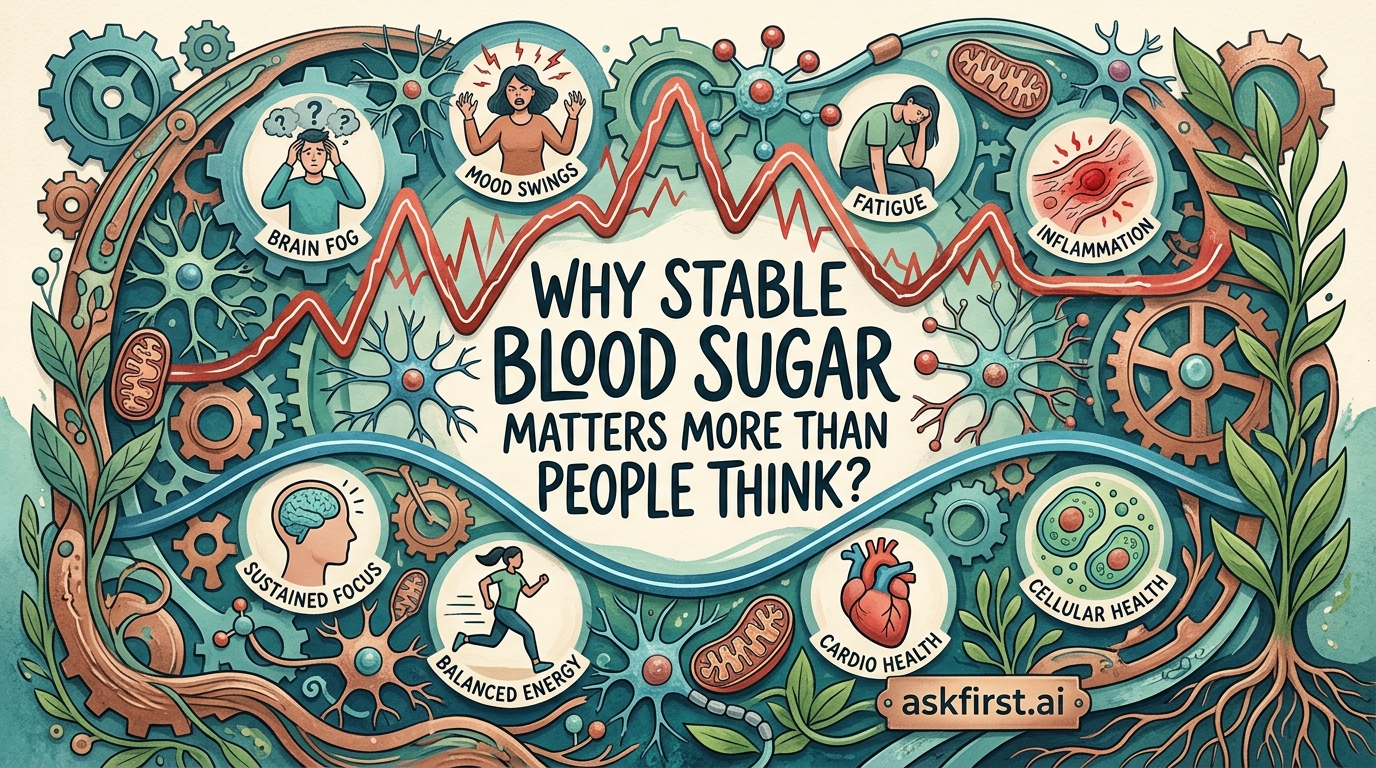
The regulation of blood glucose, or blood sugar, is one of the most vital homeostatic processes in the human body. Often dismissed as a concern reserved solely for those diagnosed with diabetes, maintaining stable blood sugar is actually a foundational requirement for long-term health, cognitive performance, and metabolic longevity. When blood glucose levels fluctuate wildly—a phenomenon known as glycemic variability—the body undergoes significant physiological stress.
The Biological Mechanism of Glucose Stability
Blood glucose is the primary fuel source for the brain and the body’s muscles. Under normal conditions, the pancreas secretes insulin to help cells absorb glucose from the bloodstream. When sugar levels spike rapidly (often due to high-glycemic carbohydrates), the pancreas releases a surge of insulin. This leads to a subsequent "crash," where glucose levels drop below baseline, triggering the release of counter-regulatory hormones like cortisol and adrenaline to restore balance. This "rollercoaster" effect is at the heart of metabolic dysfunction.
Why Stability Triggers Long-Term Health
The implications of chronic instability are far-reaching:
- Systemic Inflammation: Frequent glucose spikes cause oxidative stress, which damages endothelial cells lining the blood vessels. This damage is a precursor to atherosclerosis and cardiovascular disease.
- Glycation and Aging: Excessive glucose in the bloodstream leads to the formation of Advanced Glycation End-products (AGEs). These molecules link to proteins and lipids, causing stiffening of tissues, accelerated skin aging, and damage to organ functionality.
- Hormonal Dysregulation: High insulin levels (hyperinsulinemia) inhibit the body’s ability to burn stored fat and interfere with reproductive hormones, often contributing to conditions like Polycystic Ovary Syndrome (PCOS).
- Cognitive Performance: The brain is highly sensitive to glucose availability. Rapid drops in blood sugar impair focus, mood stability, and executive function, while chronic highs are linked to neuroinflammation and an increased risk of cognitive decline.
Practical Guide to Stabilizing Blood Sugar
Achieving stable glucose levels does not require a restrictive diet, but rather a strategic approach to consumption:
- Prioritize Fiber and Protein: Always consume fiber (vegetables) and protein before carbohydrates. This "food sequencing" slows the gastric emptying rate, preventing a rapid glucose spike.
- The "Clothing" Method: If you consume a carbohydrate, "clothe" it with fat or fiber. Eating an apple with a handful of almonds creates a slower, more sustained energy release than eating an apple alone.
- Movement Post-Meal: A 10-minute walk immediately following a meal activates the GLUT4 transporters in muscles, allowing them to soak up glucose from the blood without requiring massive insulin secretion.
- Avoid Liquid Sugars: Juices and sodas are the most potent drivers of glycemic variability because they lack the fiber matrix needed to slow absorption.
Future Trends and Monitoring
The rise of Continuous Glucose Monitors (CGMs) has revolutionized our understanding of metabolic health. Once limited to clinical diabetic care, these devices are now enabling healthy individuals to see the real-time impact of their lifestyle choices. We are entering an era of "personalized nutrition," where objective data, rather than broad dietary guidelines, dictates how we maintain metabolic health.
Ultimately, stable blood sugar is the bedrock of energy, mood, and longevity. By minimizing peaks and troughs, the body remains in a state of metabolic efficiency, reducing the risk of chronic disease and ensuring peak physical and mental performance throughout the lifespan.