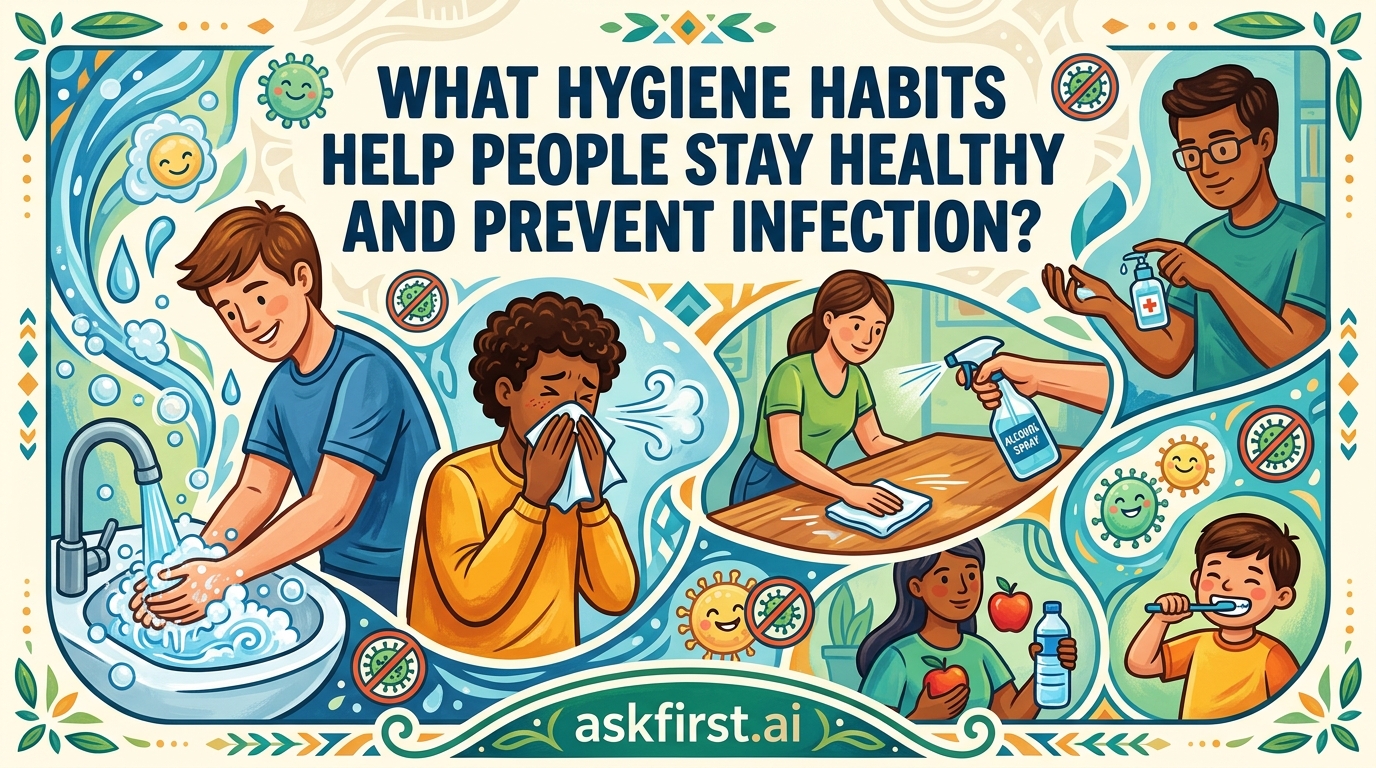
Comprehensive Guide to Personal Hygiene and Infection Prevention
Maintaining rigorous personal hygiene is the cornerstone of public health. By adhering to standardized practices, individuals can significantly reduce the transmission of pathogens, including bacteria, viruses, and fungi. Effective hygiene serves as the first line of defense against seasonal illnesses, chronic infections, and pandemics.
1. The Science of Hand Hygiene
Hand washing is the single most effective way to prevent the spread of infections. According to the World Health Organization (WHO), hands should be washed for at least 20 seconds using soap and water, specifically targeting the palms, back of hands, between fingers, and under fingernails.
- When to wash: Before preparing food, before eating, after using the restroom, after blowing your nose, and after touching pets or garbage.
- Alcohol-based hand rubs: When soap is unavailable, use a sanitizer containing at least 60% alcohol. While effective at killing most microbes, they do not remove physical debris or certain resilient pathogens (e.g., Clostridioides difficile).
2. Respiratory and Oral Hygiene
Respiratory infections are typically transmitted via droplets. Adopting "respiratory etiquette" is essential for community health.
- The "Cough into Elbow" Method: Always cover coughs and sneezes with a tissue or your upper sleeve, never your bare hands.
- Oral Health: Consistent brushing (twice daily) and flossing prevent gingivitis and periodontitis. Poor oral hygiene has been linked to systemic issues, including cardiovascular disease, as bacteria from the mouth can enter the bloodstream.
3. Body and Environmental Hygiene
Beyond hands and breath, general body maintenance and environmental cleanliness are critical.
- Daily Bathing: Regular washing helps remove dead skin cells and excess oils that can harbor bacteria. Pay special attention to high-friction areas like the underarms and groin.
- Surface Disinfection: Pathogens can survive on surfaces for days. Use EPA-registered disinfectants on "high-touch" items, such as smartphones, light switches, door handles, and computer keyboards.
- Laundry Practices: Wash bedding, towels, and clothing regularly, preferably in hot water, to eliminate allergens and microbial growth.
4. Food Safety and Kitchen Hygiene
Preventing foodborne illness requires strict cross-contamination protocols:
- Separate: Use different cutting boards for raw meats and produce.
- Cook: Ensure internal temperatures reach safe thresholds (e.g., 165°F for poultry) to kill Salmonella and E. coli.
- Store: Keep perishables refrigerated at or below 40°F (4°C).
5. Pros, Cons, and Future Trends
Pros:
- Drastic reduction in healthcare costs.
- Increased longevity and improved quality of life.
- Prevention of antibiotic resistance by reducing the need for clinical treatments.
Cons/Challenges:
- Over-sanitization can potentially impact the microbiome, leading to skin irritation (dermatitis) or, as some theories suggest, increasing susceptibility to allergies (the "Hygiene Hypothesis").
Future Trends:
Technological advancements are currently shifting toward touchless infrastructure (e.g., motion-sensor faucets) and antimicrobial surface coatings (using copper or silver ions) in public spaces. Furthermore, AI-driven monitoring systems are increasingly used in hospitals to ensure staff compliance with hand hygiene protocols, marking a shift from individual responsibility to systemic, automated health safety.