Managing Postpartum Stress: A Comprehensive Guide
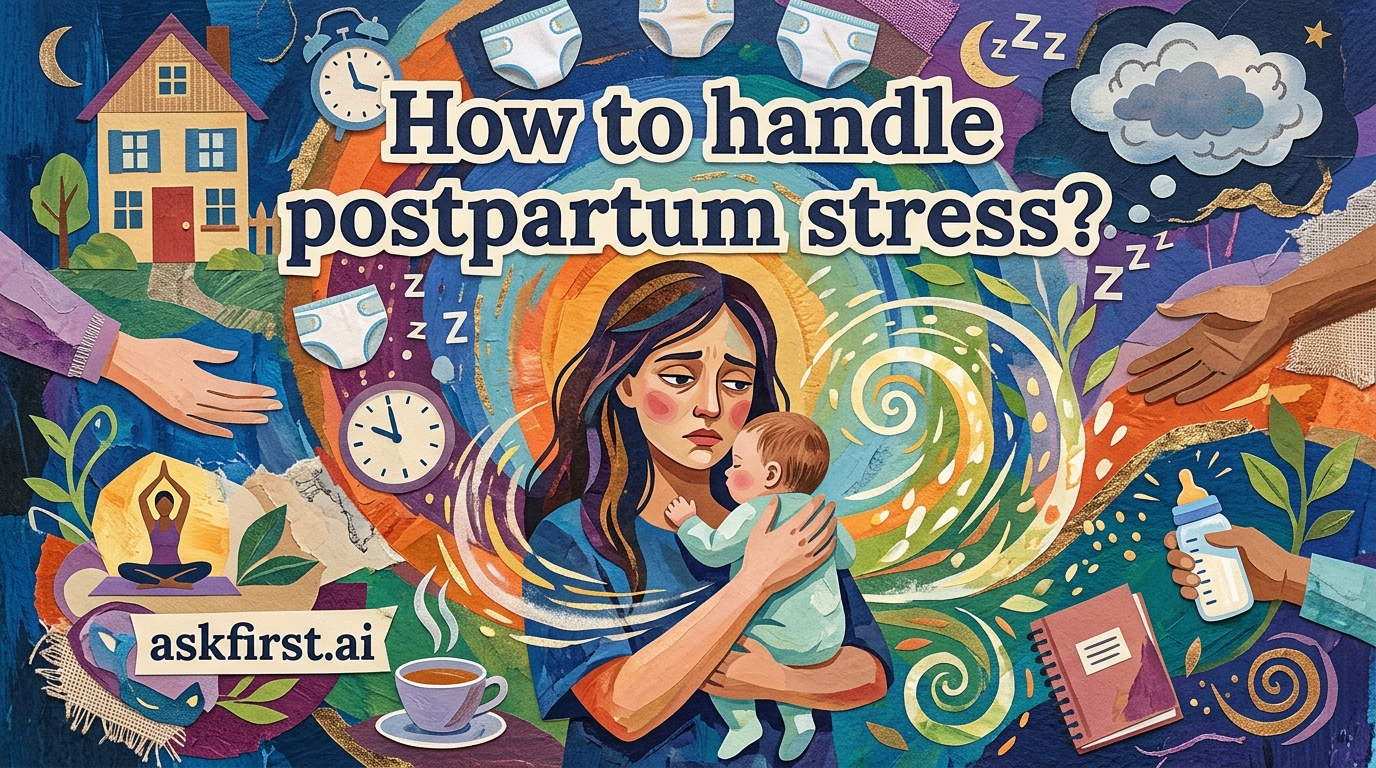
Postpartum stress, often manifesting as "baby blues," postpartum anxiety, or postpartum depression (PPD), is a common experience affecting millions of new parents globally. With the transition into parenthood involving significant hormonal fluctuations, sleep deprivation, and lifestyle shifts, understanding how to manage this stress is critical for both parental health and child development.
Understanding Postpartum Stress
Postpartum stress is not a sign of weakness or a failure of parenting; it is a complex intersection of biological, psychological, and social factors.
- Biological Factors: Rapid drops in estrogen and progesterone post-birth impact neurotransmitters like serotonin and dopamine.
- Psychological Factors: The identity shift from individual to caregiver can trigger feelings of inadequacy or loss of autonomy.
- Social Factors: Lack of a support system, financial strain, and the pressure of "perfect parenting" exacerbate stress levels.
Practical Strategies for Mitigation
Managing postpartum stress requires a multi-faceted approach that prioritizes physical recovery and mental stabilization.
1. Prioritize Physiological Needs
- Sleep Hygiene: Even short, fragmented sleep cycles are vital. Utilize the "sleep when the baby sleeps" mantra, or establish shifts with a partner to ensure at least one 4-hour stretch of uninterrupted rest.
- Nutritional Support: Stable blood sugar is essential for mood regulation. Focus on nutrient-dense meals high in Omega-3 fatty acids, protein, and complex carbohydrates.
- Hydration: Dehydration often mimics fatigue and irritability; maintain high water intake throughout the day.
2. Implement Structural Support
- Delegate Tasks: Household chores, meal preparation, and grocery shopping should be outsourced to family, friends, or hired help whenever possible.
- Boundary Setting: Limit visitors during the early weeks to protect your energy and allow for bonding time.
- Support Groups: Engaging with other new parents through online forums or local community centers reduces feelings of isolation and provides a platform for shared experiences.
3. Psychological Coping Mechanisms
- Mindfulness and Grounding: Practice 5-minute deep breathing exercises or progressive muscle relaxation to lower cortisol levels during high-stress moments.
- Journaling: Writing down worries can help externalize intrusive thoughts, making them easier to manage.
- Cognitive Reframing: Challenge the "perfectionist" mindset. Acknowledge that "good enough" parenting is sufficient and healthy for child development.
When to Seek Professional Help
It is vital to distinguish between normal adjustment stress and clinical mental health conditions. If stress interferes with daily functioning, persists beyond two weeks, or involves thoughts of harm to self or the infant, professional intervention is mandatory.
- Therapy: Cognitive Behavioral Therapy (CBT) and Interpersonal Therapy (IPT) are highly effective in treating postpartum anxiety and depression.
- Pharmacology: Under medical supervision, SSRIs (selective serotonin reuptake inhibitors) are often used to balance neurochemistry.
- Screening: Use standardized tools like the Edinburgh Postnatal Depression Scale (EPDS) to self-assess the severity of symptoms.
Future Trends and Outlook
Recent advancements in reproductive psychiatry, including the development of rapid-acting neurosteroid medications, are changing the landscape of postpartum care. Furthermore, the integration of tele-health has made support more accessible than ever, allowing parents to access specialized care without leaving the home. By destigmatizing the postpartum period and treating stress as a manageable health condition rather than a character flaw, families can foster a healthier, more resilient environment for the next generation.