The Penicillin Revolution: Redefining Human Lifespan
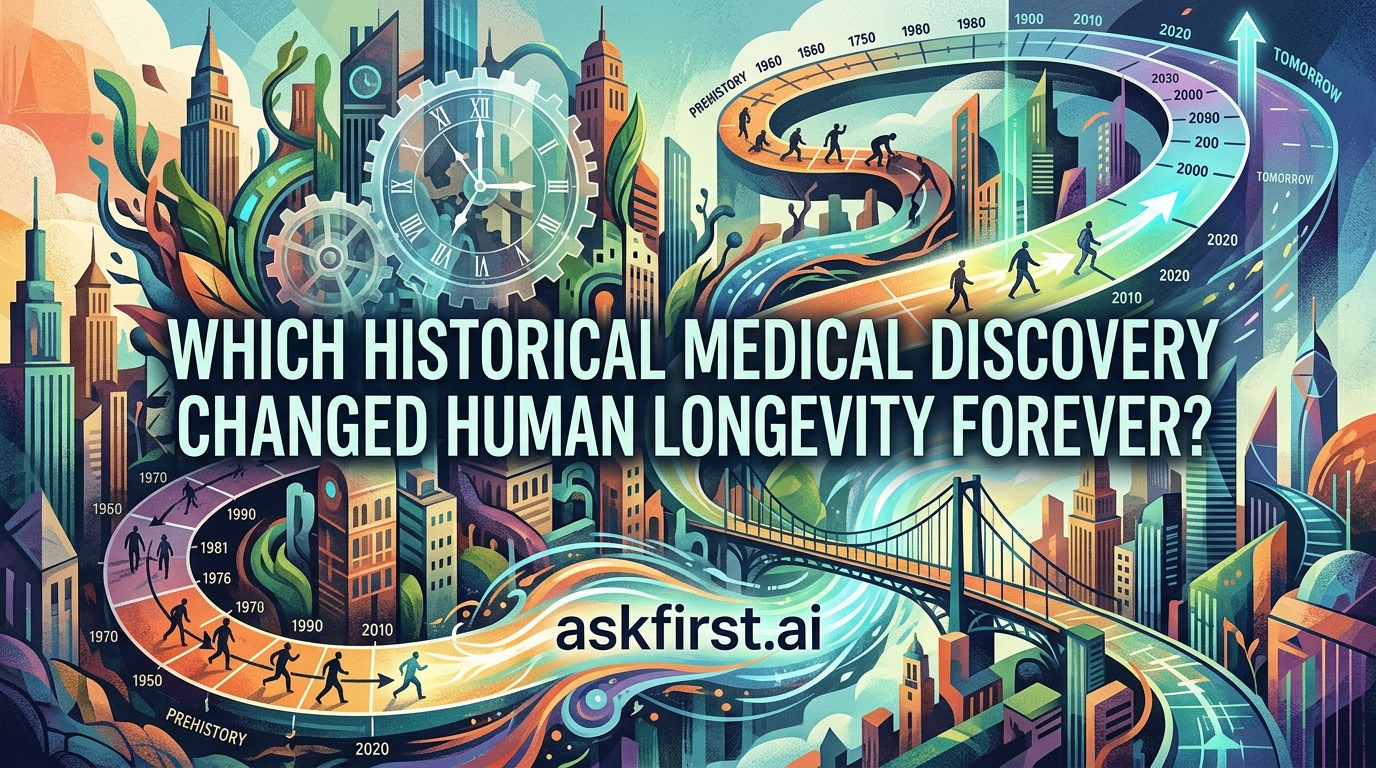
The discovery of penicillin by Alexander Fleming in 1928 stands as the single most significant turning point in the history of medicine. Before this serendipitous laboratory observation, the world was a precarious place where a simple scratch, a minor dental infection, or a common case of pneumonia could lead to a fatal outcome. The introduction of antibiotics effectively bridged the gap between mortality and survivability, shifting the global life expectancy trajectory upward by decades.
The Mechanism of Modern Survival
Penicillin works by interfering with the synthesis of bacterial cell walls. By targeting the peptidoglycan layer, it prevents bacteria from maintaining their structural integrity, causing them to burst and perish. This specific mechanism allowed clinicians to combat infections that had previously decimated populations throughout history. The scale of this impact cannot be overstated; the development of large-scale manufacturing during World War II transformed penicillin from a laboratory curiosity into a frontline tool for saving millions of soldiers and civilians alike.
Expanding the Boundaries of Modern Medicine
Beyond just treating infectious diseases, the advent of antibiotics enabled the entire field of modern, complex surgery. Without the protective shield of antibiotics to prevent post-operative infections, high-risk procedures—such as organ transplants, joint replacements, and cardiac surgeries—would be biologically impossible. Today, these procedures are routine, adding not only years to the average human lifespan but also drastically improving the quality of life for aging populations.
A Foundation for Future Innovation
- Epidemiology Shift: Antibiotics fundamentally changed the primary cause of death in developed nations, shifting the burden from infectious diseases to chronic conditions, which spurred further medical research.
- Healthcare Infrastructure: The necessity to distribute antibiotics pushed for the development of modern pharmacy and logistics networks, which are now vital for global health security.
- Research Catalysts: The success of penicillin proved that small molecules could effectively neutralize pathogens, providing a blueprint for the development of antiviral, antifungal, and anticancer therapeutics.
Ensuring Longevity Through Stewardship
While the discovery of antibiotics remains the most potent tool in the longevity toolkit, its future utility depends on responsible use. The rise of antibiotic resistance is a reminder that biological evolution continues to challenge medical progress. To maintain the life-extending benefits discovered in the 20th century, modern medicine must emphasize strict antimicrobial stewardship and continuous innovation in drug development. By preserving the efficacy of these foundational medicines, humanity ensures that the gift of longer, healthier lives continues to be passed down through generations. This discovery remains the cornerstone upon which the house of modern medical science is built, turning the tide against the invisible, microscopic threats that once dictated human fate.