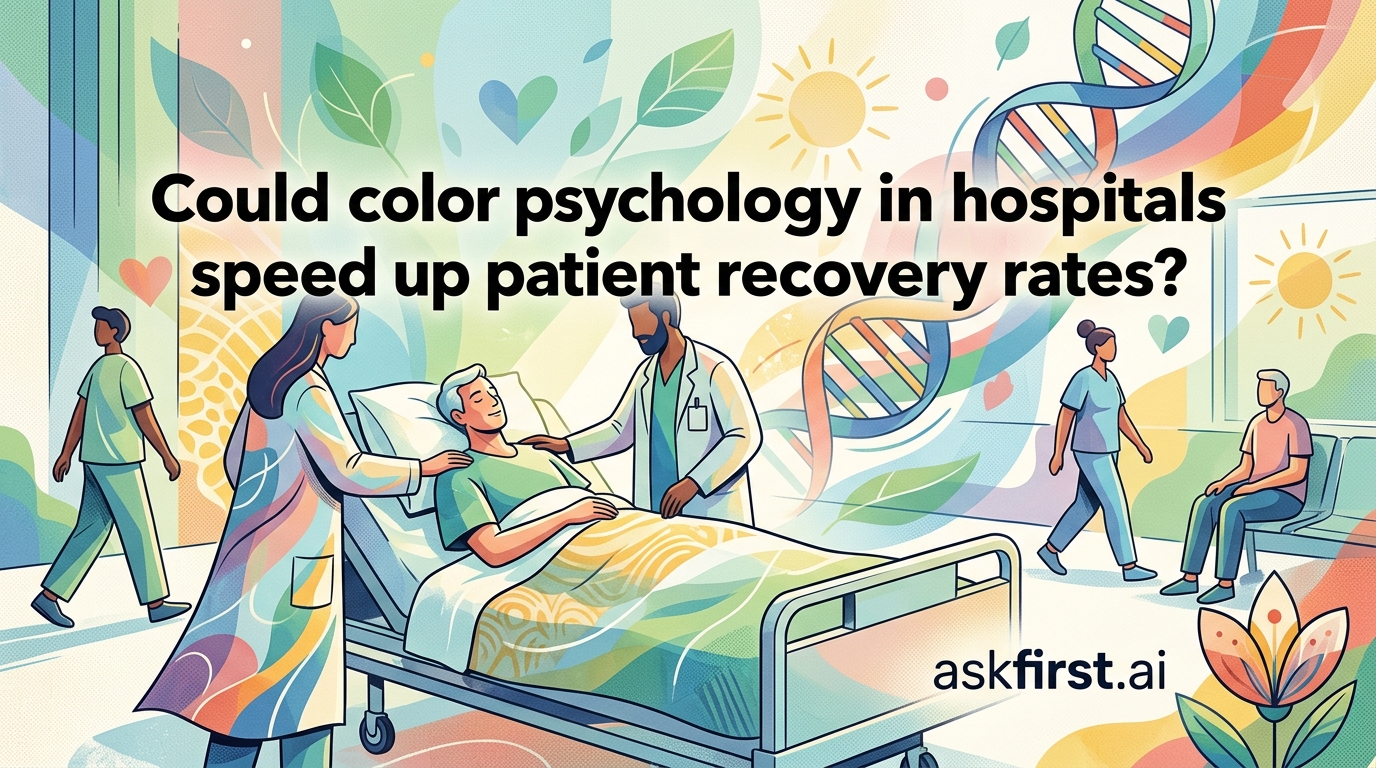
The Science of Healing Environments
The implementation of color psychology within medical facilities represents a profound shift from sterile, industrial design toward patient-centered architecture. Research suggests that human physiology responds predictably to specific wavelengths of light, meaning that the choice of wall paint, lighting, and textiles is far more than an aesthetic decision; it is a clinical tool for health outcomes.
Psychological Effects of Specific Hues
Clinical studies indicate that color affects both the autonomic nervous system and the endocrine system. The strategic application of color can modulate cortisol levels and heart rates, providing a secondary layer of supportive care.
- Cool Blues and Greens: Often referred to as 'restorative colors,' these hues are frequently associated with lowered blood pressure and reduced anxiety. Research conducted at the Planetree Institute suggests that soft, sage-like greens reduce patient agitation, making them ideal for post-operative recovery units.
- Warm Earth Tones: Shades of terracotta and soft beige can evoke feelings of comfort and domesticity. By distancing the patient from the 'clinical white' environment—which is often associated with fear and loss of control—earth tones promote a psychological sense of safety.
- The Case Against Pure White: While synonymous with cleanliness, clinical white often creates high-glare environments that cause visual fatigue and heighten stress. Modern design principles now favor off-white or neutral palettes to mitigate the psychological strain of institutional isolation.
Empirical Evidence on Recovery
A landmark study by Roger Ulrich, a pioneer in evidence-based design, highlighted that patients with views of nature and environments utilizing soothing color palettes required fewer analgesics and reported significantly lower post-operative pain scores. When colors are utilized to delineate wayfinding—such as color-coded corridors—patients experience a greater sense of autonomy. This reduction in the 'navigation stress' experienced by patients and visitors alike contributes to a more calm, controlled atmosphere, which correlates with faster physiological stabilization.
Implementing Color as a Healing Modality
To maximize these benefits, hospitals are adopting Evidence-Based Design (EBD). This methodology involves selecting colors not just for their calming properties, but for how they interact with specific medical needs. For example, in pediatric wards, vibrant but non-saturating yellows can inspire optimism and curiosity, whereas in intensive care units, high-chroma colors are avoided to prevent sensory overload. The goal is to create a 'therapeutic milieu' where every design element acts in concert with traditional medicine to reduce the duration of hospital stays and improve overall patient satisfaction. By transforming the environment, hospitals move from mere treatment centers to true sanctuaries of healing.