The Sophistication of Ancient Medicine
The perception that modern medicine is the sole originator of life-saving breakthroughs is a common myth. Archaeological evidence and ancient manuscripts reveal that civilizations thousands of years ago possessed medical knowledge that rivals modern sophistication. These early practitioners did not rely solely on superstition; they utilized empirical observation, complex pharmacology, and intricate surgical techniques to preserve health and treat injury.
Surgical Mastery and Wound Care
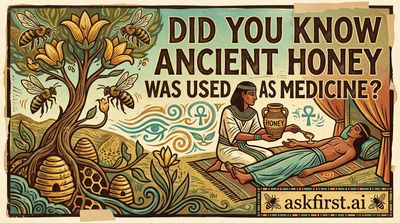
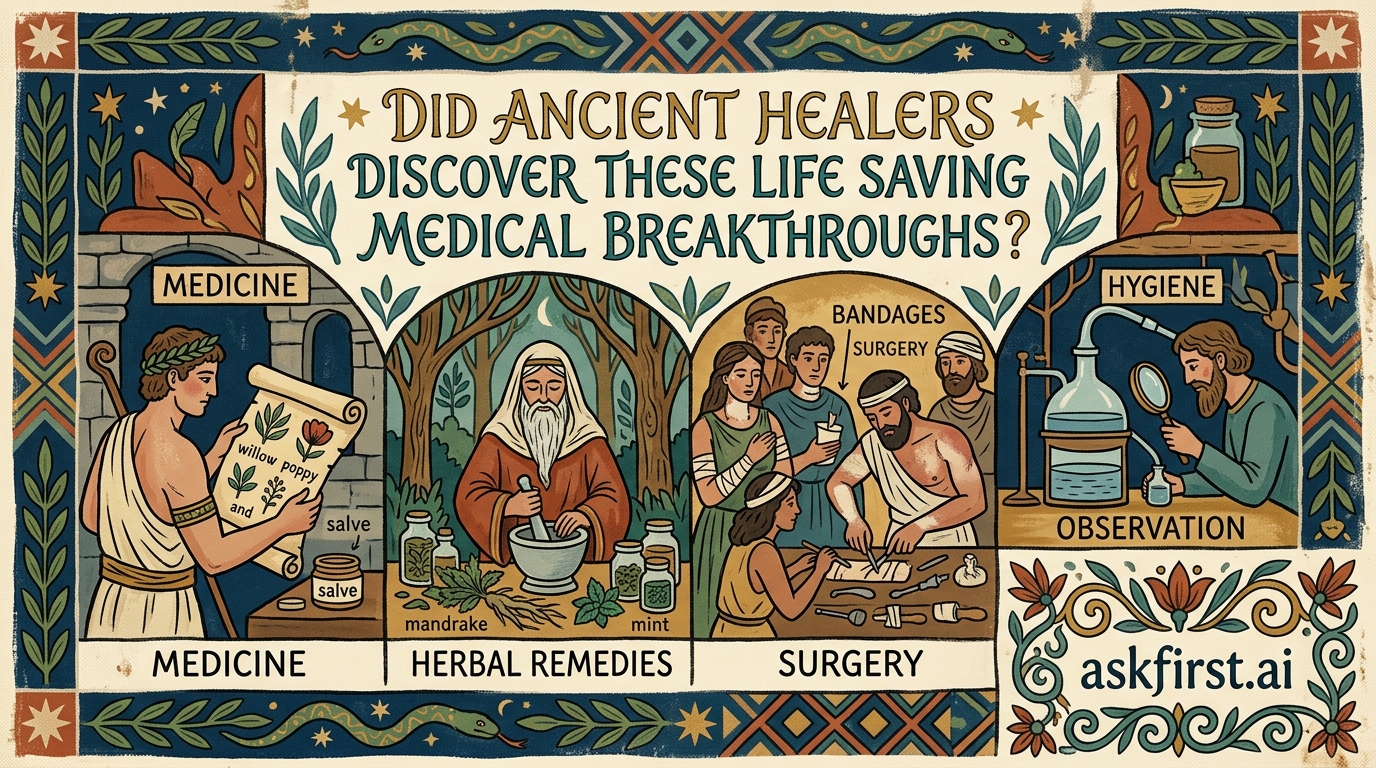
One of the most profound discoveries was the mastery of trepanation, a surgical intervention involving the drilling or scraping of a hole into the skull. Evidence from Neolithic sites indicates that patients survived these procedures, suggesting a refined understanding of cranial anatomy and the necessity of preventing infection. Similarly, ancient Egyptian medical papyri, such as the Edwin Smith Papyrus, provide detailed accounts of how to suture wounds, stabilize fractures, and apply honey as a natural antiseptic. Modern science has validated the use of honey due to its high osmolarity and enzymatic production of hydrogen peroxide, proving the efficacy of ancient protocols.
Pharmacological Ingenuity
Ancient healers also mastered the art of botany to create powerful analgesics and treatments. For instance, the Sumerians recorded the use of willow bark to alleviate pain, long before the chemical synthesis of salicylic acid, which eventually led to modern aspirin. In Ancient Greece, physicians understood the properties of the poppy plant to create potent sedatives, a practice that laid the groundwork for contemporary anesthesia. Furthermore, traditional Ayurvedic and Traditional Chinese Medicine systems documented thousands of plant species with therapeutic properties, many of which remain the subject of active research for modern drug development, particularly in the fields of oncology and neurology.
Public Health and Preventive Care
Beyond clinical intervention, the concept of preventive hygiene was far from absent in the ancient world. The Indus Valley Civilization constructed advanced drainage and water management systems to reduce the spread of waterborne illnesses. These urban planning breakthroughs demonstrate a collective awareness that environmental health is intrinsically linked to physical longevity. Meanwhile, Roman sanitation efforts, including the development of sophisticated aqueducts and public baths, prioritized the importance of clean water and waste disposal, establishing early standards for public health infrastructure that persisted for centuries. By integrating observation with clinical care, ancient healers successfully navigated the challenges of human pathology with tools that continue to inform and inspire contemporary medical science today.