The Cinema Mirror: Does Your Favorite Movie Reflect Your Personality?
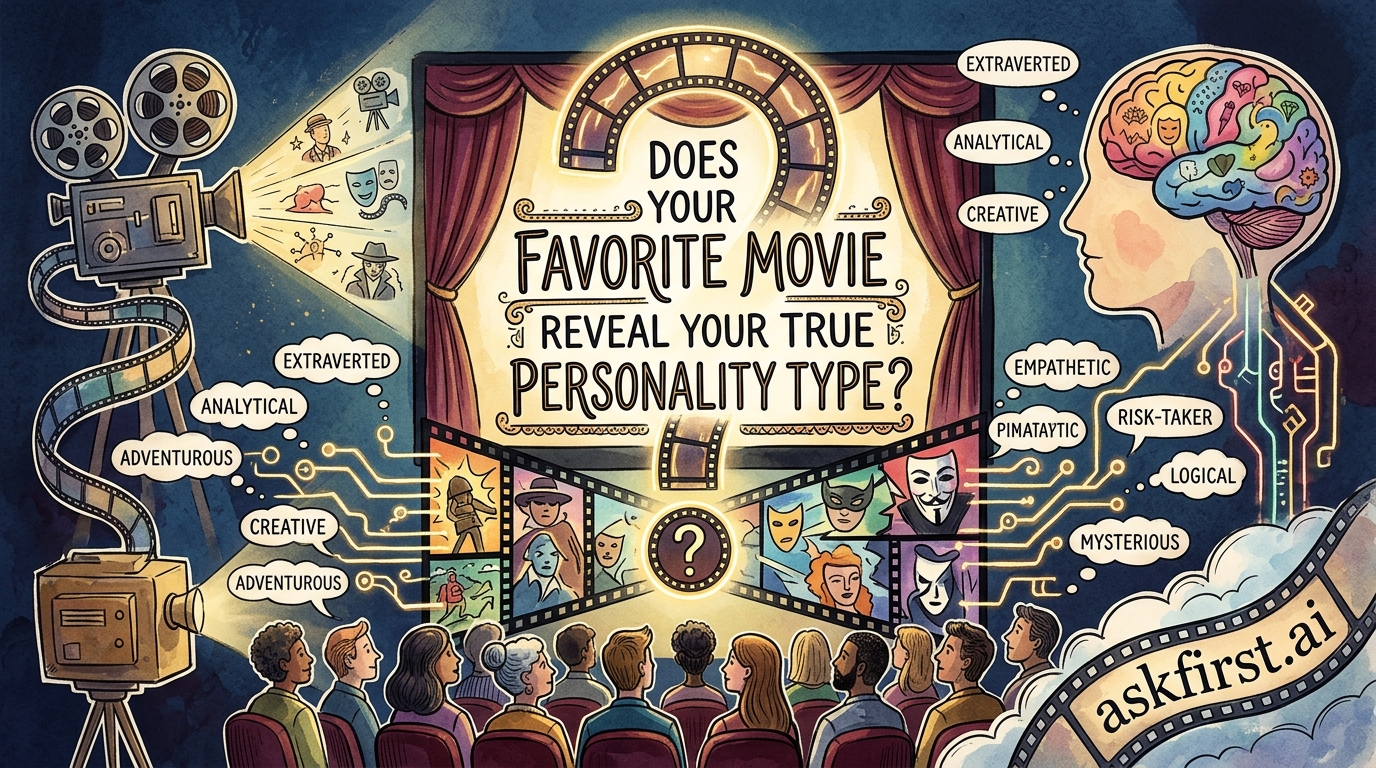
Psychologists have long debated whether entertainment preferences serve as a gateway to understanding the human psyche. While a favorite movie may seem like a simple choice of entertainment, research suggests it acts as a subtle psychological projection. By examining the narrative structures, archetypes, and emotional themes that resonate with an individual, one can uncover fascinating insights into their dominant cognitive traits and behavioral motivations.
The Psychology of Narrative Preference
Cognitive psychology proposes that humans are 'storytelling animals.' When an individual selects a film, they are often unconsciously selecting a world that mirrors their own internal landscape or satisfies an unfulfilled psychological need.
- The Seekers of Structure: Individuals who gravitate toward complex noir, intricate crime dramas, or high-stakes puzzles often exhibit high scores in 'Need for Cognition.' These viewers enjoy processing detailed information and find deep intellectual stimulation in complex, deductive storytelling.
- The Emotional Empaths: Fans of romantic dramas or character-driven independent films often score higher on measures of agreeableness and emotional intelligence. These viewers prioritize human connection and the nuances of interpersonal relationships, viewing films as a training ground for empathy.
- The Visionary Dreamers: Lovers of high-fantasy, surrealism, or science fiction often align with the 'Openness to Experience' trait in the Big Five personality model. This group craves novelty, abstract thinking, and the exploration of 'what if' scenarios that challenge conventional boundaries.
Projection and Archetypes
According to Jungian archetypal theory, stories function as collective symbols. When a person identifies a film as their favorite, they are frequently aligning with the specific hero's journey presented within that movie. If someone is consistently drawn to stories of individual defiance against an oppressive system, it may reveal an underlying value of autonomy and non-conformity. Conversely, those drawn to ensemble pieces where cooperation saves the day often demonstrate a high value for communal harmony and altruism.
The Caution of Correlation
While patterns exist, it is essential to distinguish between a correlation and a biological marker. A preference for horror films does not mean a person is aggressive; studies suggest it might simply indicate a 'sensation-seeking' personality type that enjoys controlled exposure to adrenaline. The movie is not a rigid diagnostic tool, but rather a reflection of current mood, life stage, and values. By viewing our cinematic favorites as mirrors rather than boxes, we gain a unique lens through which to observe our growth, our fears, and our aspirations. Ultimately, the films we love provide a roadmap to the stories we tell ourselves about who we are and, more importantly, who we wish to become.