Mastering Postpartum Abdominal Recovery: A Comprehensive Guide
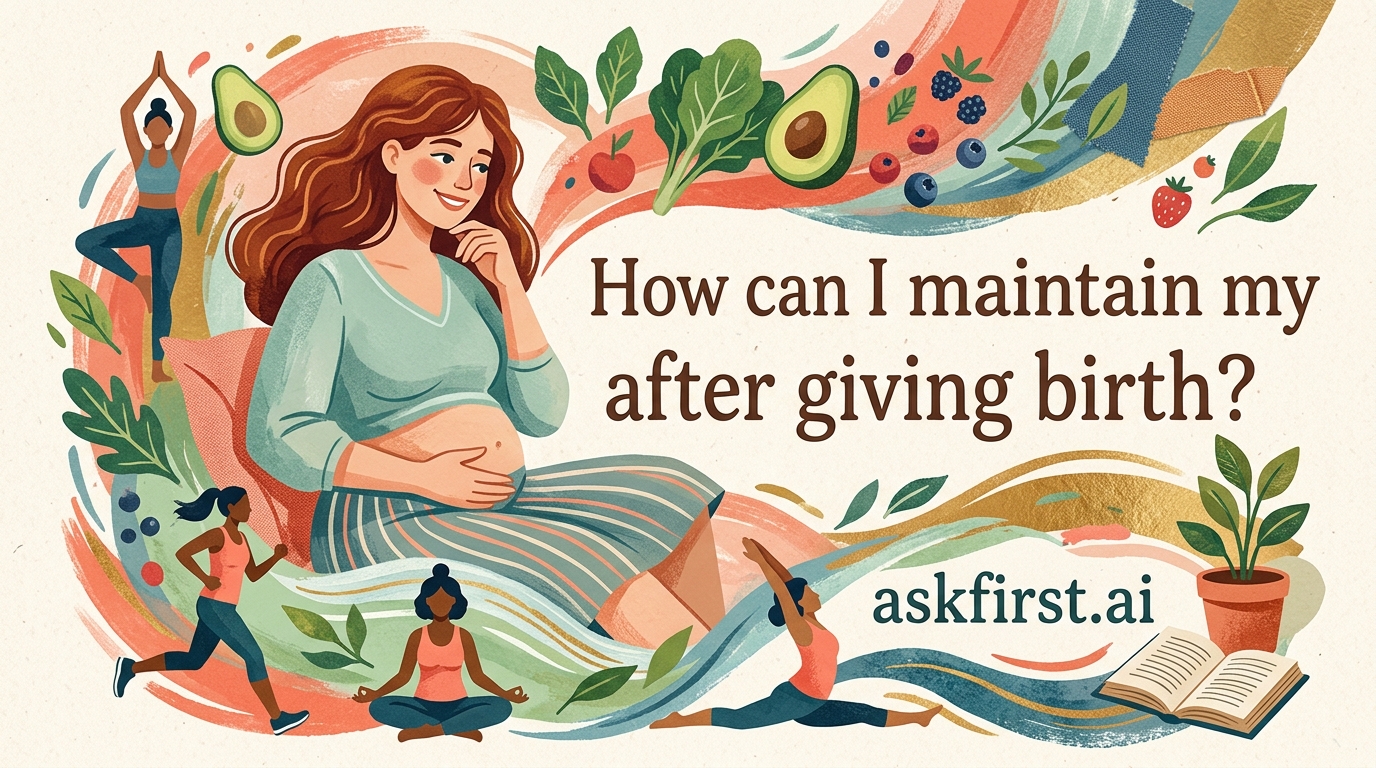
Postpartum abdominal recovery is a physiological process that requires patience, consistency, and a balanced approach. After the significant structural changes of pregnancy—including the stretching of the rectus abdominis muscles and the expansion of the uterine cavity—the body requires time to return to its pre-pregnancy state.
Understanding the Physiology of Postpartum Recovery
During pregnancy, the abdominal muscles often separate, a condition known as diastasis recti. This separation occurs along the linea alba, the connective tissue running down the center of the abdomen. Recognizing this condition is the first step in effective recovery.
The Role of Nutrition and Hydration
Proper nutrition is the foundation of tissue repair.
- Protein Intake: Essential for muscle repair and collagen synthesis. Incorporate lean meats, legumes, and eggs.
- Fiber: Vital for digestive health. Postpartum constipation can place unnecessary pressure on abdominal muscles; high-fiber diets mitigate this.
- Hydration: Water intake supports skin elasticity and metabolic function, aiding the body in shedding excess fluid retained during pregnancy.
Practical Steps for Abdominal Restoration
Recovery is not merely about "bouncing back" but about functional restoration. Avoid traditional crunches, which can exacerbate diastasis recti, and instead focus on deep core engagement.
1. The Core Engagement Technique
Practice "drawing in" your belly button toward your spine while exhaling. This activates the transversus abdominis, the deep corset-like muscle that supports the spine and flattens the stomach. Perform this 10–15 times daily.
2. Pelvic Floor Integration
The pelvic floor and abdominal wall work in tandem. Kegel exercises help stabilize the pelvis, which indirectly supports the abdominal wall. Consult a physical therapist specializing in pelvic health if you experience leakage or significant core weakness.
3. Progressive Exercise
- Walking: The most accessible form of movement. It improves circulation and promotes fat metabolism without the high impact of HIIT.
- Modified Planks: Once cleared by your physician (usually 6–8 weeks postpartum), begin with knee-supported planks to build stability before moving to full planks.
- Yoga and Pilates: These disciplines focus on controlled movement and breath, which are ideal for reconnecting with the core.
Pros and Cons of External Support
Many individuals utilize postpartum girdles or wraps.
- Pros: They provide psychological comfort, physical support for the lower back, and can help with posture during breastfeeding.
- Cons: Over-reliance on wraps can weaken the core muscles by "doing the work" for them. They should be used as a temporary aid, not a long-term solution.
Future Trends and Realistic Expectations
The "bounce back" culture often ignores the reality of loose skin and subcutaneous fat. It is important to remember that skin elasticity is largely genetic. While exercise tightens the muscle, the skin itself may take up to 12 months to retract.
Key Takeaway: Consult with a healthcare provider before starting any rigorous regimen. If you suspect severe diastasis recti, a specialized physical therapist can provide a tailored recovery plan. By focusing on deep core strength rather than aesthetic pressure, you ensure long-term health and functional mobility for years to come.