The Invisible Bond: How Your Partner Shapes Your Lifelong Health
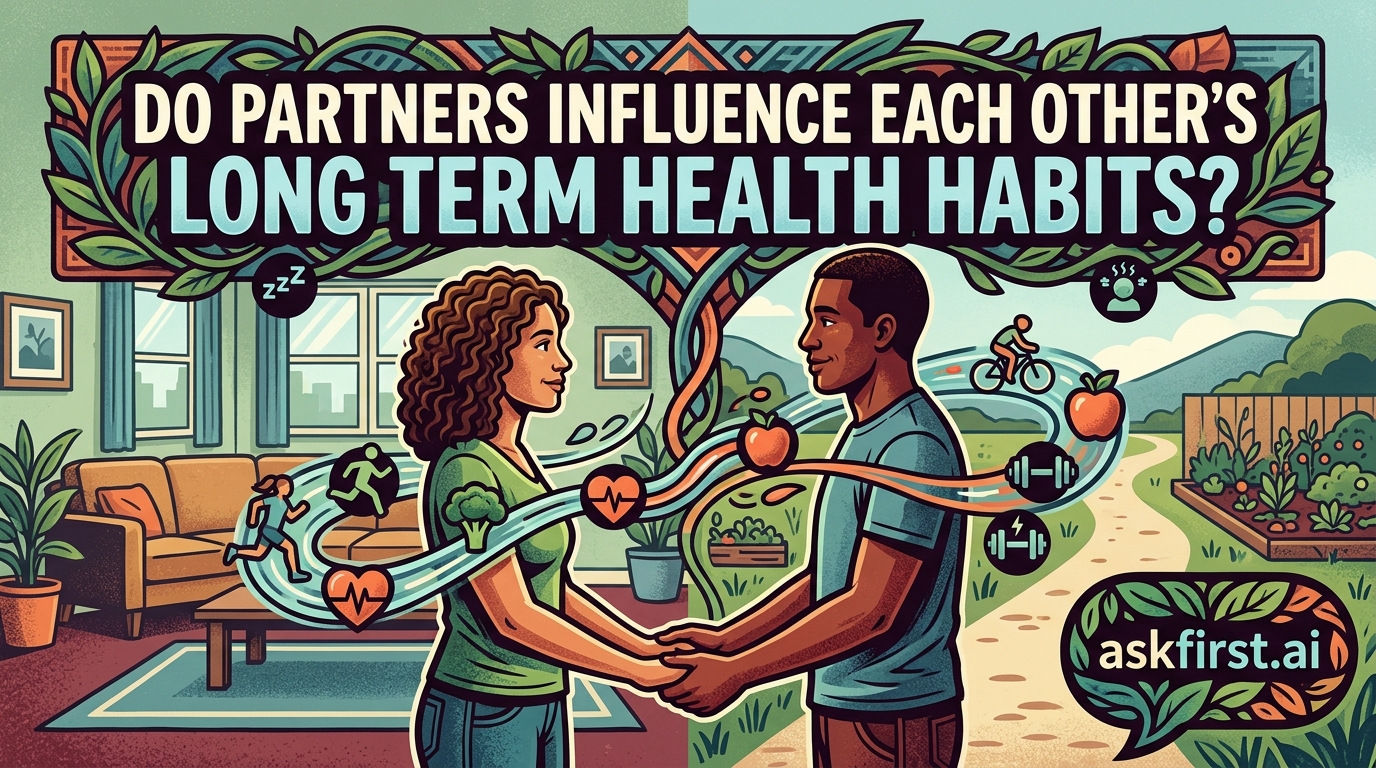
Scientific research has increasingly demonstrated that intimate partners serve as the most significant environmental influence on long-term health behaviors. This phenomenon, often termed "health synchronization," suggests that living with another person fundamentally recalibrates individual lifestyle choices, ranging from dietary patterns to physical activity levels and stress management.
The Psychology of Shared Environments
Couples often engage in "co-regulation," a process where physiological and behavioral states are mutually adjusted. If one partner adopts a healthier diet, the other frequently follows suit due to the shared grocery shopping and meal preparation dynamics. According to the Social Control Theory, partners act as agents of monitoring, encouragement, and sometimes subtle coercion, which helps in maintaining habits that might otherwise be abandoned when faced with individual fatigue or lack of willpower.
Key Mechanisms of Habit Formation
- Dietary Mirroring: Studies indicate that spouses tend to consume similar amounts of fruits, vegetables, and processed snacks. The shared pantry acts as a visual cue that reinforces either healthy or detrimental eating patterns.
- Physical Activity Alignment: Couples who exercise together exhibit higher adherence rates. The emotional support provided during fitness routines reduces the psychological barrier to entry, making exercise a social bonding experience rather than a chore.
- Sleep Architecture: Co-sleeping and shared bedtime rituals directly impact circadian rhythms. Partners often adjust their sleep-wake cycles to match one another, which affects metabolic health and cognitive function over decades.
The "Healthy Husband/Wife Effect"
Research published in journals like JAMA Internal Medicine highlights that the influence is bidirectional but sometimes varies in intensity based on gender roles and household management. For instance, in many cultures, women have historically acted as "health gatekeepers," influencing the entire household's nutrition. However, as modern domestic roles evolve toward egalitarianism, this influence is becoming more reciprocal.
Busting the Myth of Independence
It is a common misconception that health is an purely individual pursuit. In reality, "social contagion" plays a massive role in wellness. If one partner quits smoking, the likelihood of the other partner quitting increases significantly. This is not merely about willpower; it is about the removal of environmental triggers. When a house becomes a smoke-free zone, both parties benefit from a reduction in involuntary physiological stress and respiratory risks.
Building a Lasting Wellness Legacy
To leverage this influence for longevity, couples should practice "collaborative habit building." This involves setting joint goals rather than individual ones. By framing health as a shared mission, partners bypass the friction of conflicting lifestyles and create a sustainable, supportive culture within the home that naturally discourages sedentary behavior while rewarding proactive self-care.