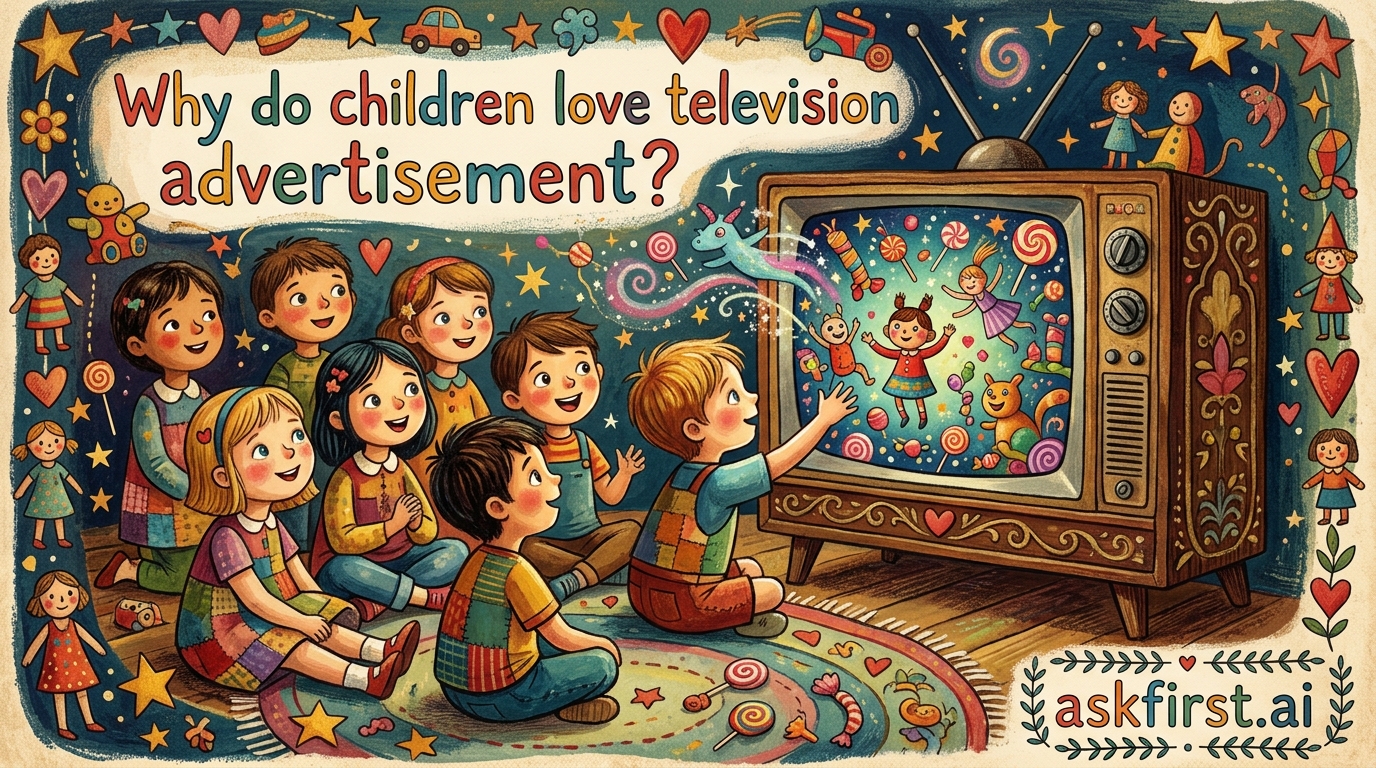
The Psychology of Attraction: Why Children are Captivated by Television Advertising
The phenomenon of children’s fascination with television advertisements is a multifaceted interplay of developmental psychology, sensory stimulation, and sophisticated marketing strategy. While adults often view commercials as interruptions, children—especially those under the age of 12—perceive them as distinct, high-energy entertainment segments.
The Sensory Hook: Why It Captures Attention
Children are biologically programmed to attend to stimuli that are bright, loud, and rapidly changing. Advertisements are specifically engineered to exploit these cognitive preferences:
- Pacing and Editing: Commercials often utilize rapid-fire editing techniques, with scene changes occurring every 2–3 seconds. This high-velocity presentation prevents the child’s attention from wandering, effectively locking them into the narrative.
- Audio-Visual Stimulation: The use of high-pitched voices, jingles, vibrant color palettes, and exaggerated sound effects (like "boing" or "whoosh" sounds) triggers an orienting response in the brain, making the content impossible to ignore.
- Anthropomorphism: Advertisers frequently use animated characters or talking animals to present products. By giving inanimate objects human-like traits, brands create an immediate emotional bridge that children find relatable and non-threatening.
Developmental Psychology and "The Nag Factor"
From a psychological perspective, children lack the persuasion knowledge that adults possess. Until roughly age 8, children struggle to distinguish between program content and commercial messaging. They do not yet understand that the primary purpose of an ad is to sell a product.
Instead, they view commercials as a source of information about their world. This leads to the "Nag Factor" (or "pester power"), where children, feeling a genuine excitement about a product they believe will improve their happiness or social status, persistently request it from their parents. Because children are in a developmental stage characterized by high levels of desire and low levels of impulse control, the advertisement acts as a catalyst for immediate craving.
The Role of Social Identity and Narrative
Modern advertising has shifted from simply showing a product to selling a lifestyle. Even in brief 30-second spots, commercials weave stories where the product is the "hero."
- Social Belonging: Advertisements often depict children playing together in groups. This subliminally suggests that owning the advertised toy or snack is a prerequisite for social inclusion.
- Fantasy Fulfillment: Whether it is a superhero action figure or a sugary cereal, the ad promises an experience of power, speed, or adventure. The child does not just see a box of cereal; they see a morning transformation.
Pros, Cons, and Future Trends
While these advertisements drive the multi-billion dollar toy and food industries, they remain a point of ethical debate.
- Pros: Advertisements provide information about new products, support free-to-air broadcasting models, and can occasionally promote prosocial behaviors when brands align with educational themes.
- Cons: Critics argue that excessive exposure encourages materialism, unhealthy eating habits, and unrealistic expectations.
- Future Trends: As traditional linear television declines, the focus is shifting toward "advergames" and influencer-led content on digital platforms. These formats are even more immersive, blurring the line between play and promotion.
Ultimately, children love television ads because they are specifically designed to be the most engaging part of the broadcast. By tapping into core human drivers—curiosity, color, sound, and the desire for social connection—advertisers create a sensory experience that resonates deeply with the developing mind.