The Fascinating World of Vegetarianism: Beyond the Plate
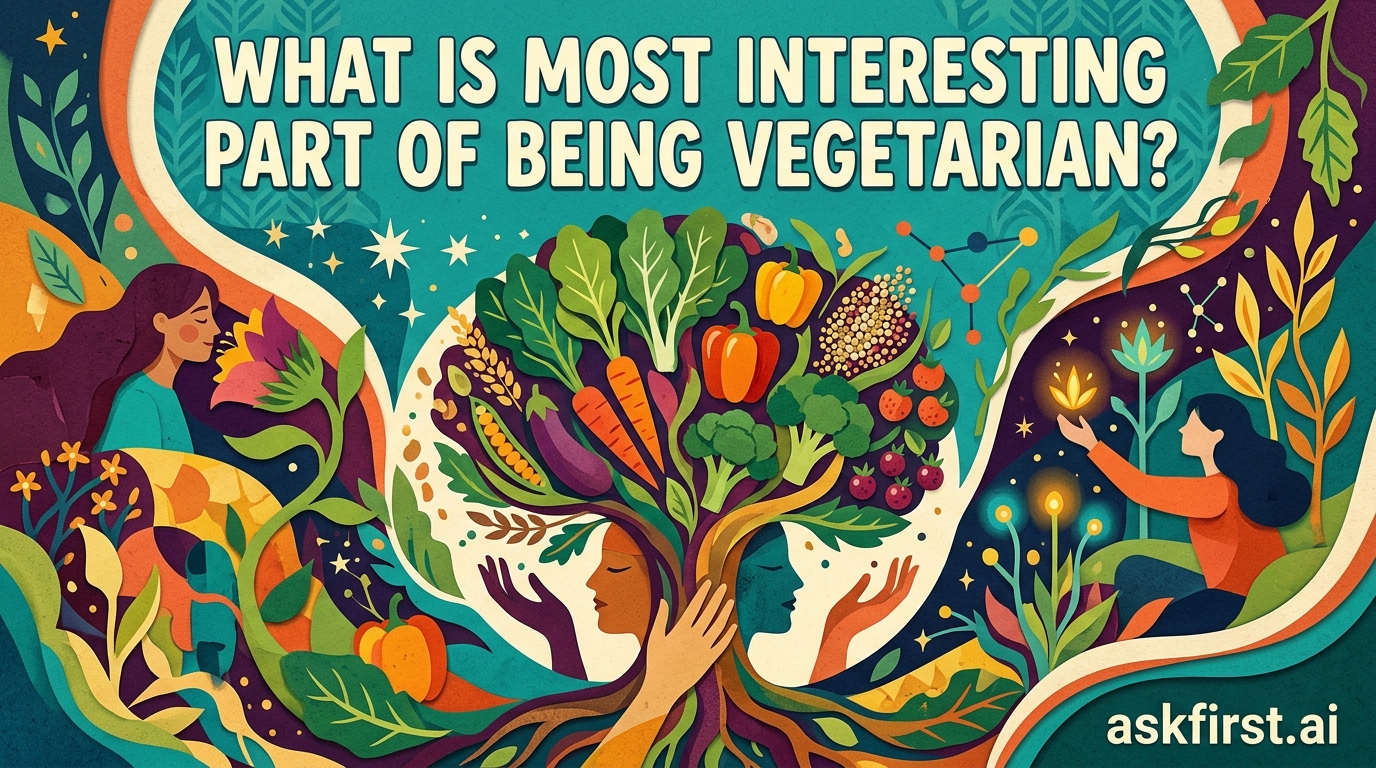
Vegetarianism is more than a dietary choice; it is a multifaceted lifestyle that intersects with ethics, environmental science, personal health, and global culture. While the most "interesting" aspect is subjective, the consensus among experts is that the profound cognitive shift in one’s relationship with food stands as the most compelling element of the vegetarian experience.
The Philosophical and Ethical Evolution
The core interest for many vegetarians lies in the intentionality of their consumption. Transitioning to a plant-based diet often triggers a "re-evaluation phase." When a person stops consuming meat, they are forced to become a conscious consumer. This leads to:
- Active Label Reading: You learn the hidden ingredients in processed foods (like gelatin or rennet).
- Culinary Creativity: Without the "center-of-the-plate" protein (the steak or chicken breast), you are forced to explore global cuisines that have treated vegetables as the star for centuries, such as Indian dal, Mediterranean mezze, or Ethiopian wat.
- Ethical Alignment: Many find the most rewarding aspect is the daily affirmation of their values, whether they are rooted in animal welfare or reducing one’s individual carbon footprint.
Health and Biological Observations
From a physiological perspective, the most interesting part is the microbiome transformation. Studies suggest that shifting to a high-fiber, plant-rich diet significantly alters gut bacteria diversity within a matter of weeks. Many vegetarians report:
- Increased Energy Stability: Due to the lower glycemic index of complex plant carbohydrates compared to heavy animal fats.
- Heightened Palate Sensitivity: As the tongue adjusts to lower salt and fat levels, the subtle sweetness of roasted root vegetables or the depth of umami in mushrooms becomes much more apparent.
Environmental and Global Impact
The statistics surrounding vegetarianism are staggering. According to environmental research, a plant-based diet can reduce an individual's food-related greenhouse gas emissions by up to 73%. The "interesting" part here is the macro-scale impact of micro-scale decisions. By opting for lentils over beef, a single individual saves thousands of gallons of water annually—a tangible contribution to resource conservation that provides a sense of agency in a world often feeling overwhelmed by climate change.
Pros and Cons: A Balanced View
- Pros: Lower risk of ischemic heart disease, lower blood pressure, and a significantly reduced environmental footprint.
- Cons: Potential for nutrient deficiencies (B12, Iron, Zinc) if not properly managed, and the social friction that can occur in meat-centric cultures.
Future Trends: The Lab-Grown Frontier
Looking ahead, the most fascinating frontier is the convergence of vegetarianism and biotechnology. With the rise of precision fermentation and cultivated proteins, the line between "vegetarian" and "meat-eater" is blurring. We are entering an era where the ethical benefits of vegetarianism may soon be available without the traditional dietary restrictions, marking a paradigm shift in how humanity defines "food."
In conclusion, the most interesting part of being a vegetarian is the continuous discovery. It is a journey of culinary exploration, ethical consistency, and biological adaptation that forces you to engage with the world in a more deliberate, thoughtful, and sustainable manner.