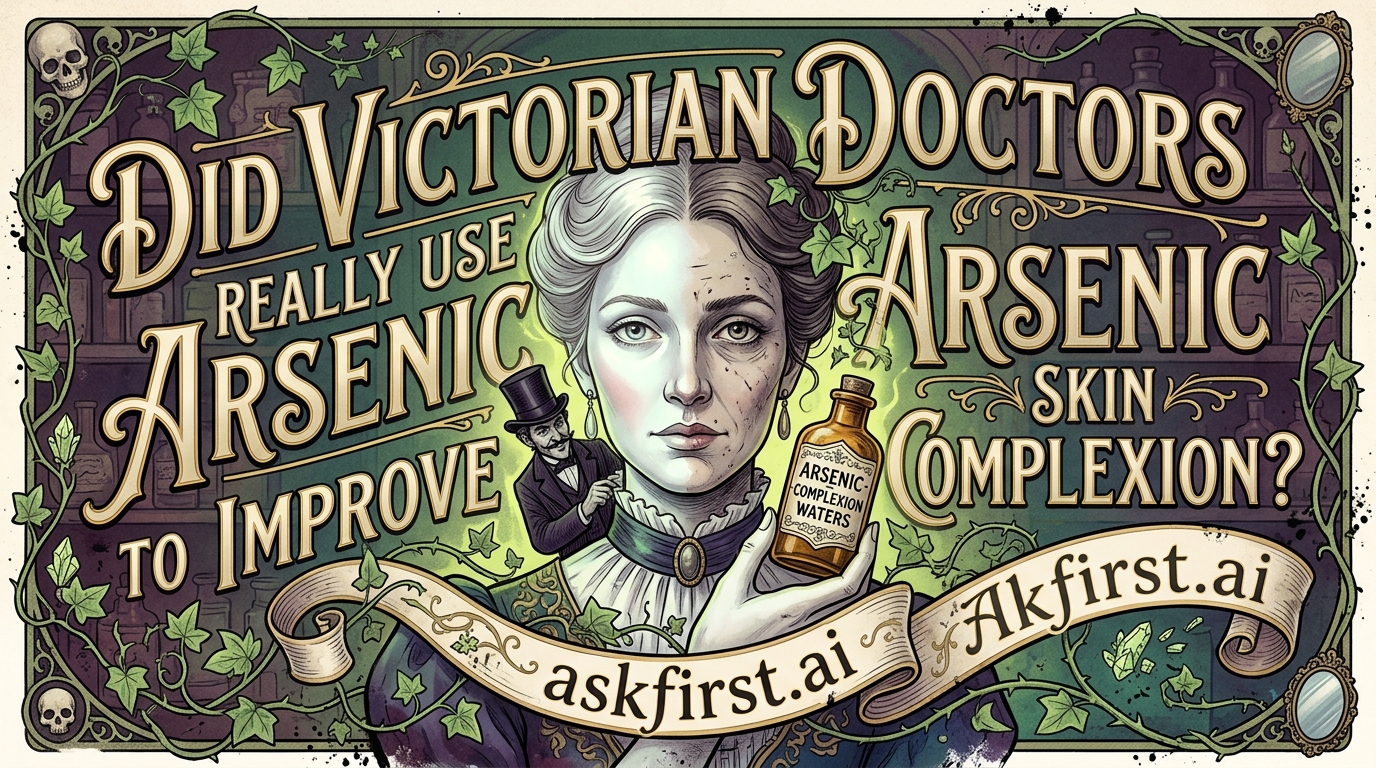
The Deadly Glow: Arsenic Wafers and Victorian Beauty Trends
During the Victorian era, the pursuit of an ethereal, pale complexion became a dangerous obsession. While history is filled with eccentric beauty rituals, the use of arsenic to achieve a porcelain-like glow stands out as one of the most paradoxical practices. It was not merely a folk remedy; it was a scientifically endorsed product marketed by reputable pharmacists and even some physicians of the time.
The Allure of Arsenic
In the mid-19th century, a pale complexion signaled wealth and leisure, as it indicated that a woman did not spend her time working under the sun. Arsenic, in the form of "Complexion Wafers," was touted as the ultimate solution for clearing the skin, eliminating freckles, and achieving a radiant, luminous pallor. These wafers contained small, supposedly safe doses of arsenious acid. Because arsenic causes a decrease in skin pigmentation and vascular effects that lead to a slight flushing of the cheeks, it paradoxically created the very look Victorian society admired.
Medical Justification and Marketing
Victorian medicine often incorporated substances that modern science classifies as toxic. Arsenic was historically used as a "tonic" for various conditions, including anemia and skin disorders. Marketing campaigns, most notably those by Dr. Campbell, promised that these wafers were "perfectly harmless" and capable of creating a "beautiful, clear, and blooming complexion." Manufacturers argued that since physicians prescribed arsenic for nerves and blood health, it could be ingested safely in low quantities for aesthetic purposes. However, the cumulative nature of arsenic poisoning was often overlooked or downplayed by the profit-driven beauty industry of the time.
The Silent Consequences
Despite the claims of safety, the health risks were substantial. Arsenic is a potent cumulative toxin. Chronic ingestion leads to a condition known as arsenicosis, which manifests in various ways:
- Hyperkeratosis: The thickening and darkening of the skin, often on the palms and soles.
- Organ Damage: Long-term exposure severely impacts the liver, kidneys, and nervous system.
- Dermatological Distress: While the desired pallor was achieved temporarily, the skin eventually showed signs of chemical irritation and damage.
A Lesson in Beauty Trends
Ultimately, the Victorian fascination with arsenic illustrates the extreme lengths society can go to conform to temporary beauty standards. While medical understanding of toxicology has advanced significantly since the 19th century, the reliance on unverified "miracle" ingredients remains a cautionary tale. Today, the practice serves as a reminder of the dangers of prioritizing aesthetic ideals over biological safety. The "Victorian glow" was never a sign of health; it was a slow, chemical alteration that prioritized societal approval over the long-term integrity of the human body.