The Hidden Dynamics of Digital Privacy in Committed Relationships
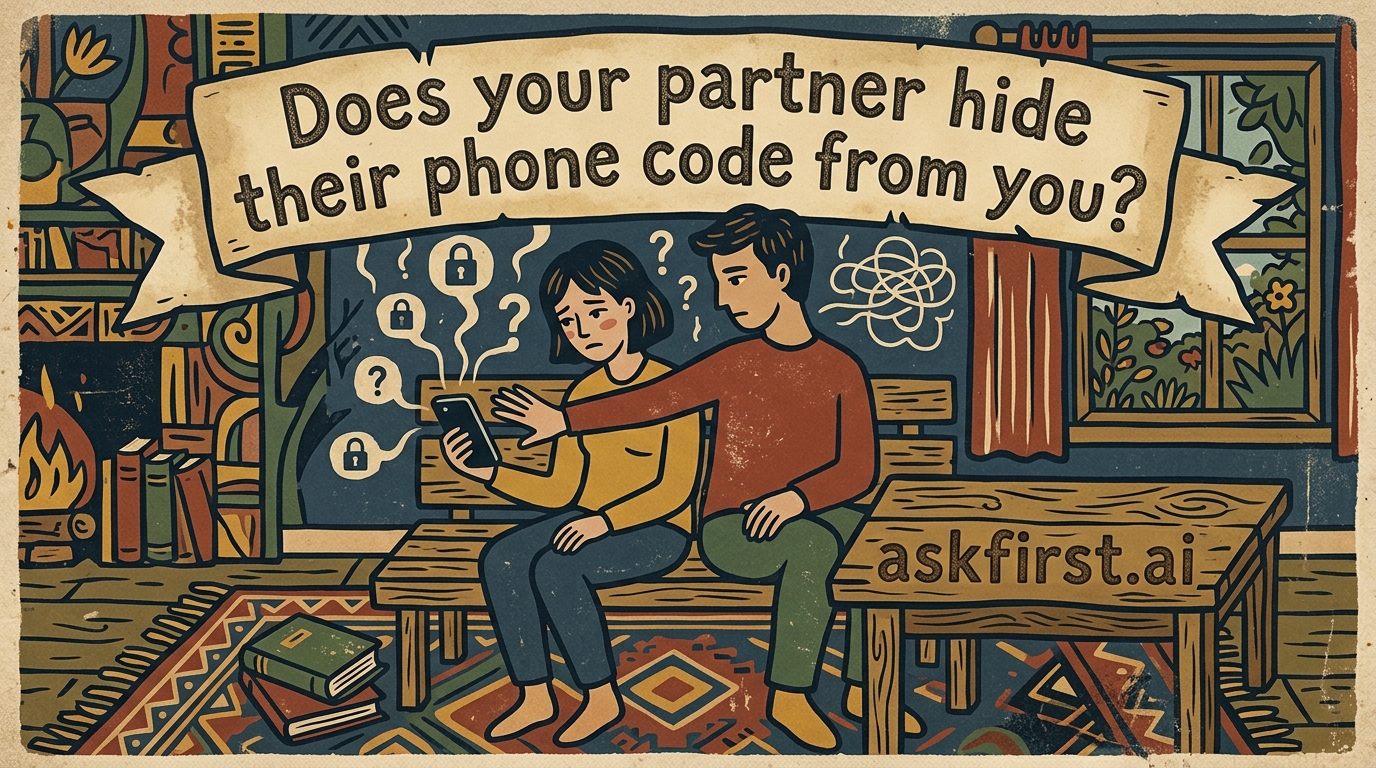
Digital intimacy acts as the modern frontier of romantic trust. When a partner maintains strict secrecy regarding their smartphone passcode, it often ignites a complex psychological debate regarding the boundaries between personal autonomy and relationship transparency. Understanding the nuances behind this behavior requires looking past surface-level suspicion to identify the core drivers of privacy.
The Psychology of Digital Secrecy
Privacy should not be reflexively equated with infidelity. Many individuals treat their mobile devices as extensions of their professional or personal identity, containing sensitive workplace data, confidential conversations with friends, or financial information that they feel obligated to protect. Psychologists often distinguish between 'secrecy'—which implies a deliberate intent to deceive—and 'privacy'—which is the fundamental right to maintain personal space. A partner might guard their phone simply because they value the concept of a private sanctuary in a hyper-connected world.
Distinguishing Protective vs. Deceptive Behaviors
Determining whether a hidden passcode indicates a red flag involves observing behavioral patterns rather than focusing on a single security setting. Experts suggest analyzing the following indicators:
- The Context of Protection: Is the device guarded across all social situations, or only during moments where the partner seems anxious or irritable?
- Transparent Communication: If questioned calmly, does the partner explain their need for privacy reasonably, or do they resort to gaslighting or immediate defensiveness?
- Digital Monotony: Does the partner’s behavior change suddenly? A shift from openness to extreme secrecy is significantly more concerning than a long-standing, consistent policy of keeping devices locked.
The Role of Cultural and Generational Shifts
Attitudes toward digital access have shifted drastically over the last two decades. Younger generations, often dubbed 'digital natives,' frequently view phone privacy as a non-negotiable personal right, regardless of relationship status. Conversely, some older generations might prioritize radical transparency as a sign of complete devotion. These differing expectations often lead to unnecessary conflict when both partners fail to articulate their personal definitions of trust. Research into secure attachment styles suggests that those who feel secure in their bond are statistically less likely to demand access to their partner's digital assets, viewing their partner’s independence as a strength rather than a threat.
Building Healthy Boundaries
Establishing a protocol for digital access is far more productive than attempting to 'crack the code.' A healthy approach involves a mutual conversation about expectations. Discussing why privacy is important—whether it is to ensure workplace confidentiality or simply to have a space for personal hobbies—can bridge the gap between suspicion and understanding. Trust is the foundation of any enduring connection, and healthy relationships thrive when both partners agree that security, not surveillance, is the true hallmark of intimacy. Ultimately, the presence of a secret passcode is often less about the phone and more about the communication habits that define the relationship dynamic.