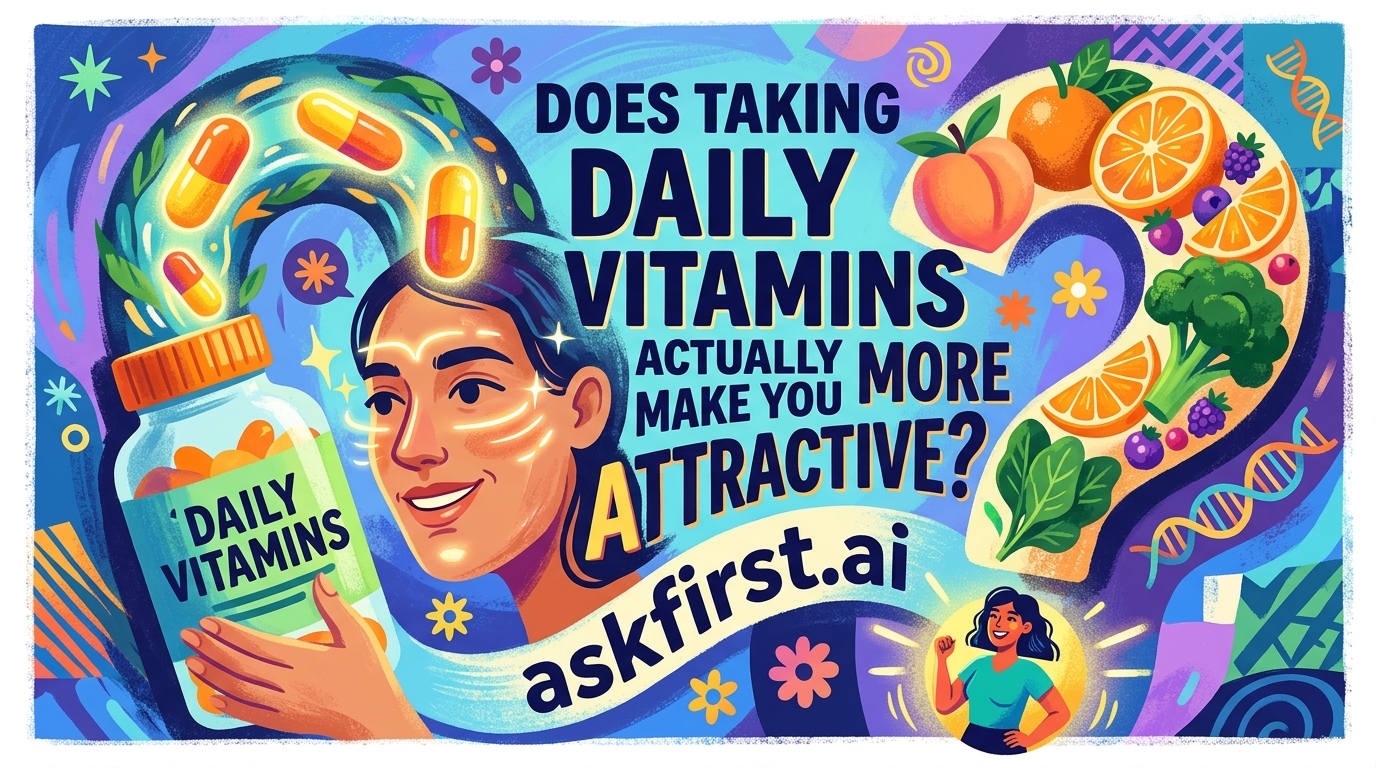
The Glow Factor: Do Daily Vitamins Influence Physical Attractiveness?
For decades, the supplement industry has promised that a magic pill could unlock a more radiant appearance. While daily vitamins are essential for physiological health, the link between supplementation and 'attractiveness' is rooted in the biological connection between internal vitality and external presentation. Attractiveness is often a subconscious cue for health, and nutrition plays a foundational role in maintaining that signaling system.
The Role of Micronutrients in Skin Health
The skin is the body's largest organ and serves as the primary indicator of nutritional status. Research indicates that specific vitamins contribute directly to dermatological appearance:
- Vitamin C: This essential nutrient is a cofactor for collagen synthesis. Collagen provides structural integrity to the skin, helping to maintain elasticity and firmness, which are visual hallmarks of youthfulness.
- Vitamin E: As a potent antioxidant, Vitamin E protects skin cells from oxidative stress caused by ultraviolet radiation and pollution. By mitigating cellular damage, it supports a smoother skin texture.
- Vitamin A (Retinoids): Vitamin A is critical for cell turnover. A deficiency often leads to dry, flaky skin, while adequate levels ensure the surface remains vibrant and clear.
Can Supplements Replace a Balanced Diet?
It is vital to distinguish between supplementation and comprehensive nutrition. No amount of isolated vitamins can compensate for a diet lacking in macronutrients, hydration, or sleep. The 'glow' often associated with attractiveness is frequently the result of systemic homeostasis. When the body receives a diverse spectrum of nutrients, it can allocate resources to non-essential processes, such as nail growth, hair shine, and clear skin pigmentation.
The Psychological and Hormonal Connection
Beyond surface-level physiology, the impact of vitamins on hormonal balance and energy levels cannot be ignored. B-vitamins, for instance, are essential for energy metabolism. Individuals who are chronically fatigued often display signs of stress, such as dark circles or a sallow complexion. By normalizing energy levels, vitamins can indirectly enhance one's perceived 'vibrancy'—a key psychological component of attractiveness. Studies in social psychology often suggest that high energy levels and 'healthy' complexions are evolutionary signals of reproductive fitness, making those who exhibit them more attractive to observers.
Critical Considerations for Effectiveness
For those seeking to leverage vitamins for appearance, moderation is key. The concept of 'more is better' is biologically inaccurate. Over-supplementation can lead to toxicity, which manifests as skin rashes, hair loss, or brittle nails—the exact opposite of the intended results. Quality control and bioavailability are also significant; not all supplement formulations are easily absorbed. Always prioritize whole foods first and view vitamins merely as a support system to bridge potential gaps in one's lifestyle.