The Embodied Mind: How Relationships Shape Physical Health
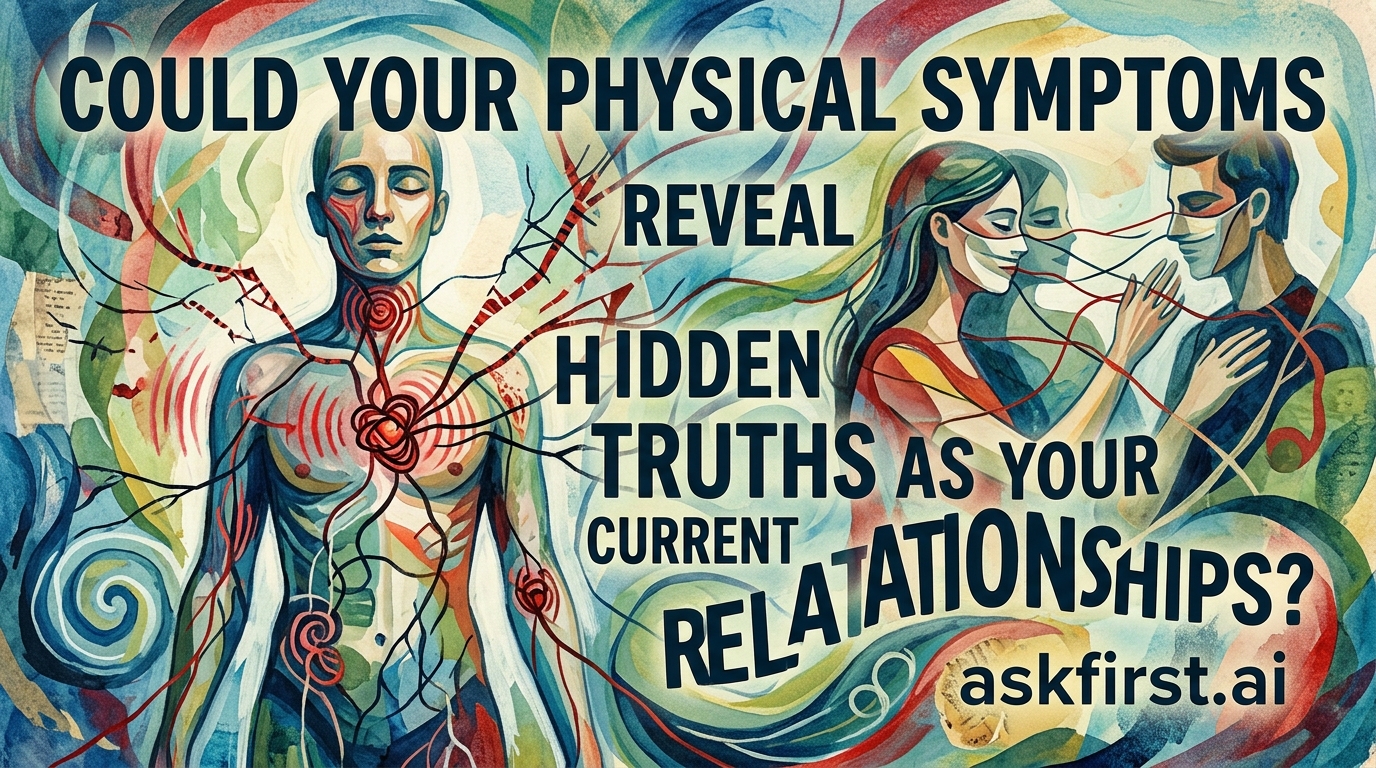
Recent advancements in psychophysiology suggest that the human body functions as a sophisticated ledger of interpersonal dynamics. When individuals exist in a state of chronic relational discord or deep intimacy, the nervous system reflects these states through tangible physical manifestations. This phenomenon, often termed the "somatic feedback loop," implies that physical symptoms frequently serve as indicators of underlying emotional realities that the conscious mind might otherwise ignore.
The Vagus Nerve and Interpersonal Regulation
The polyvagal theory, pioneered by Dr. Stephen Porges, explains how the autonomic nervous system manages social engagement. The vagus nerve acts as a bridge between the heart and the brain, constantly scanning for safety or threat in social contexts. When a relationship lacks authentic connection, the body may experience:
- Chronic muscular tension: Often concentrated in the jaw, shoulders, or neck as a physiological preparation for defense.
- Digestive irregularities: Because the gut-brain axis is highly sensitive to emotional stress, persistent relational anxiety can lead to gastric discomfort.
- Sleep disruption: The inability to reach deep, restorative sleep often signals that the nervous system is stuck in a hyper-vigilant state due to unstable relationship dynamics.
Unspoken Communication Through Somatics
Relationships are not merely intellectual agreements; they are biological synchronies. Research into "co-regulation" indicates that partners influence each other’s heart rates and hormone levels. If one partner suppresses frustrations, the body often converts that psychological pressure into physical symptoms. For instance, feelings of being "swallowed" or ignored in a relationship might manifest as a sensation of tightness in the throat or chest. This is not purely psychosomatic; it is the physical expression of a suppression mechanism aimed at maintaining perceived relational stability.
Identifying Relationship Red Flags in the Body
To decode these hidden truths, one must observe patterns rather than isolated incidents. If symptoms like tension headaches or sudden fatigue consistently appear after interacting with specific people, the body is likely communicating a lack of resonance or an imbalance of power. This is the intelligence of the subconscious attempting to prioritize self-preservation. By paying attention to these signals, individuals can gain clarity regarding the sustainability of their connections.
Fostering Alignment for Physical Vitality
True relational health is reflected in a relaxed, regulated nervous system. When connections are grounded in mutual support, the body is more likely to exist in a parasympathetic state, characterized by lower cortisol levels and improved immune function. Recognizing that physical well-being is an extension of interpersonal health allows individuals to make better-informed decisions about their social ecosystems, leading to both emotional clarity and improved physical longevity. The body effectively serves as an honest compass for navigating the complex terrain of human intimacy.