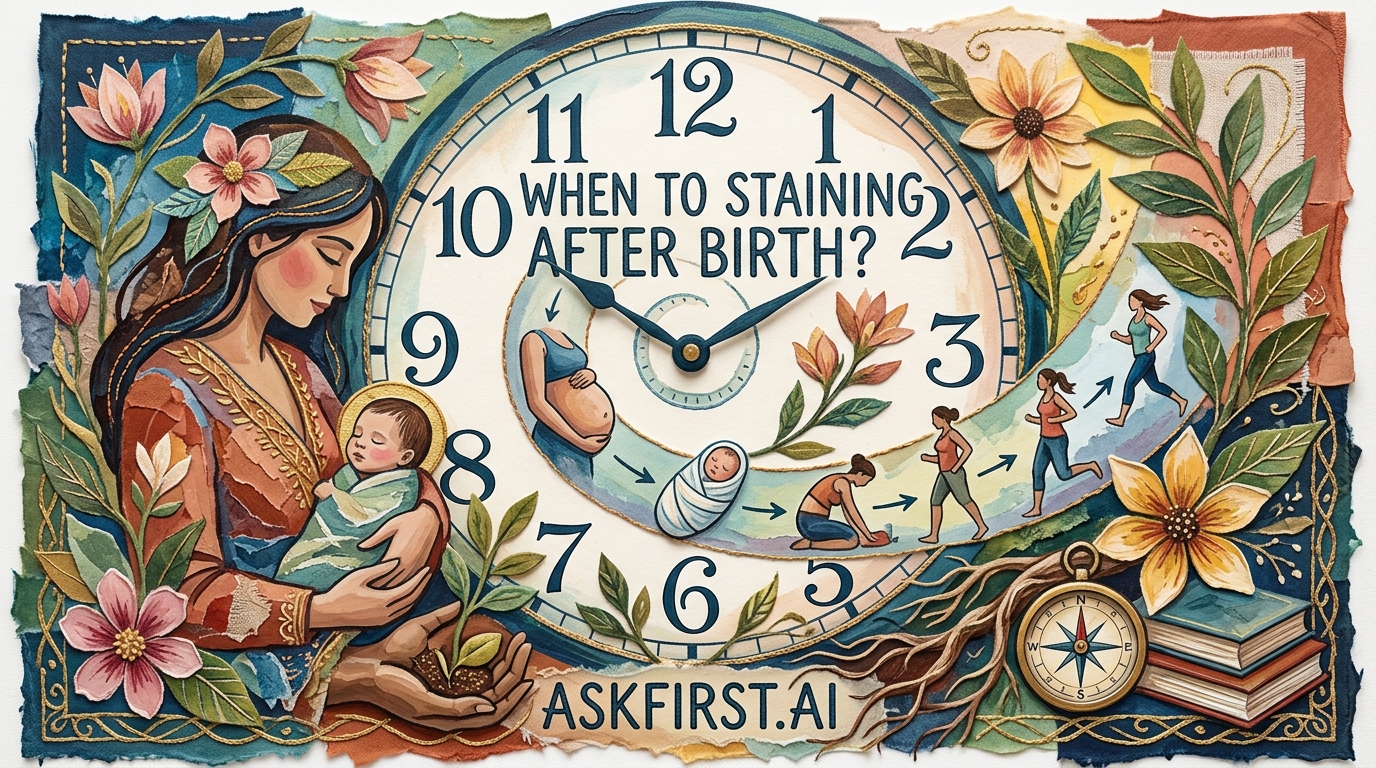
Postpartum Exercise: A Comprehensive Guide to Resuming Training
Resuming physical activity after childbirth is a significant milestone in postpartum recovery. While the desire to return to pre-pregnancy fitness levels is common, it must be balanced against the physical demands of recovery, hormonal fluctuations, and the physiological changes caused by pregnancy and delivery.
1. The Timeline for Resumption
The general medical consensus, supported by organizations like the American College of Obstetricians and Gynecologists (ACOG), suggests that for a healthy, uncomplicated vaginal birth, women can begin gentle exercise—such as walking or light pelvic floor activation—as soon as they feel ready, often within a few days.
However, the "six-week checkup" remains the gold standard for clearance to resume high-impact or strenuous exercise. During this period, the body undergoes significant involution (the uterus returning to its pre-pregnancy size) and tissue healing.
- Vaginal Birth: Gentle activity can start immediately. High-impact activity should wait until 6–8 weeks, pending a doctor's clearance.
- Cesarean Section: Recovery is more intensive due to the major abdominal surgery. Light walking is encouraged, but strenuous exercise, lifting, or core-focused training should wait at least 8–12 weeks to allow the abdominal incision and underlying fascia to heal properly.
2. Physiological Considerations
Before diving back into a training regimen, it is vital to assess the specific physical changes that persist postpartum:
- Diastasis Recti: The separation of the rectus abdominis muscles. Exercises that cause "doming" or "coning" of the abdomen must be avoided until the core has been properly rehabilitated.
- Pelvic Floor Dysfunction: Pregnancy and delivery place immense strain on the pelvic floor. Symptoms such as urinary incontinence, heaviness, or pain require a consultation with a Pelvic Floor Physical Therapist before beginning high-impact activities like running or jumping.
- Relaxin Levels: The hormone relaxin, which loosens ligaments during pregnancy, may remain in the system for several months. This increases the risk of joint injury; therefore, avoid overstretching or excessive weight lifting initially.
3. A Step-by-Step Practical Guide
To safely reintegrate training, follow this phased approach:
- Phase 1 (Weeks 0–6): Focus on breathing techniques, gentle pelvic floor contractions (Kegels), and short, slow walks. Avoid heavy lifting and intense core work.
- Phase 2 (Weeks 6–12): Begin low-impact strengthening. Incorporate glute bridges, bird-dogs, and modified planks. Monitor for any signs of pelvic pain or abdominal coning.
- Phase 3 (Weeks 12+): Gradually reintroduce moderate-intensity aerobic work and resistance training. Increase weights slowly and listen to your body’s signals.
4. Pros, Cons, and Warning Signs
Pros: Regular exercise improves mood (reducing postpartum depression), boosts energy, aids weight management, and improves sleep quality.
Cons: Overtraining too early can cause long-term pelvic floor damage, joint instability, or slow down wound healing.
Stop immediately if you experience:
- Vaginal bleeding that increases after exercise.
- Sharp pain in the abdomen, pelvis, or incision site.
- Dizziness or shortness of breath beyond normal exertion.
- Incontinence or a feeling of "falling out" in the pelvic region.
5. Future Trends
The field of postpartum fitness is moving toward personalized recovery plans. Rather than a "one-size-fits-all" six-week wait, many athletes are now opting for screenings by pelvic floor specialists to determine exactly when their tissues are ready for impact, ensuring a faster, safer return to peak performance.