Nutritional Optimization for Nursing Mothers
Breastfeeding places significant metabolic demands on a mother’s body, requiring an additional 400 to 500 calories per day to support milk production and maternal recovery. Proper nutrition during this period is essential not only for the infant’s growth but also for maintaining the mother’s energy levels, immune function, and postpartum healing.
Essential Nutrient Groups
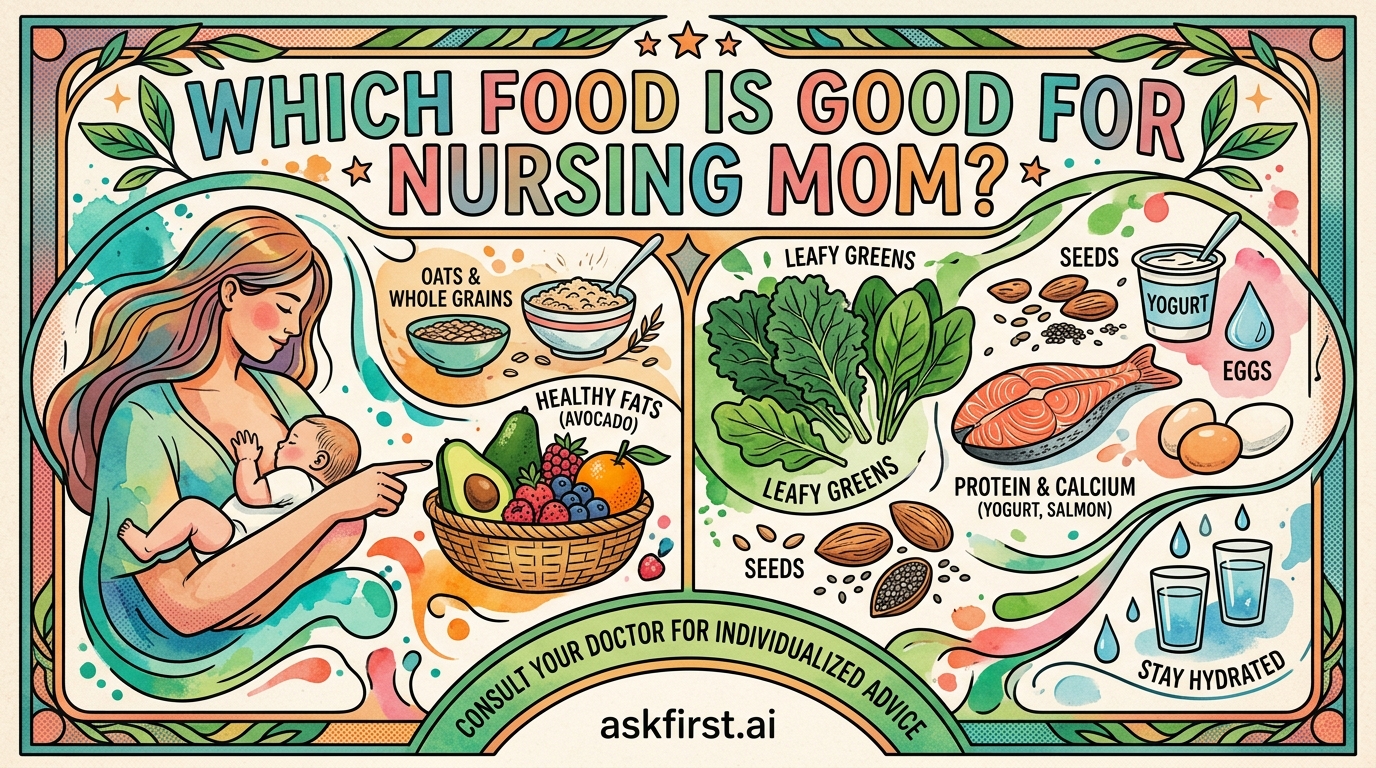
To ensure high-quality breast milk, nursing mothers should prioritize a nutrient-dense diet focusing on the following categories:
1. High-Quality Proteins
Protein is the building block of milk production. Nursing mothers should aim for 71 grams of protein daily.
- Sources: Lean meats (chicken, turkey), eggs, dairy products, legumes (lentils, chickpeas), and tofu.
- Benefits: Supports tissue repair and provides the amino acids necessary for the baby's rapid development.
2. Healthy Fats
Omega-3 fatty acids, specifically DHA (docosahexaenoic acid), are critical for the infant's brain and eye development.
- Sources: Fatty fish (salmon, sardines), chia seeds, flaxseeds, walnuts, and avocados.
- Note: Mothers should aim for low-mercury fish options to avoid heavy metal exposure.
3. Complex Carbohydrates and Fiber
These provide sustained energy and prevent the blood sugar spikes associated with processed sugars.
- Sources: Whole grains (oats, quinoa, brown rice), sweet potatoes, and fibrous vegetables.
- Galactagogues: Oats are widely recognized as a galactagogue—a food believed to increase milk supply. Many cultures traditionally use oatmeal as a staple for nursing mothers.
4. Micronutrient Powerhouses
- Iron: Essential to replenish blood lost during childbirth. Found in spinach, fortified cereals, and red meat.
- Calcium: If the mother’s diet is deficient, the body will pull calcium from her bones to produce milk. Sources include yogurt, milk, cheese, and dark leafy greens (kale, bok choy).
- Hydration: Water is the primary component of breast milk. Mothers should drink to thirst, aiming for at least 8–12 cups of fluids daily.
Practical Dietary Strategy
To maintain a balanced intake, follow this "Plate Method" for nursing:
- Half the plate: Non-starchy vegetables (broccoli, spinach, carrots).
- Quarter of the plate: Lean protein.
- Quarter of the plate: Whole grains or starchy vegetables.
- Add a healthy fat source: A drizzle of olive oil or a slice of avocado.
Foods to Approach with Caution
- Caffeine: Limit to 200–300 mg per day. Excessive intake may cause irritability in the infant.
- Alcohol: If consuming alcohol, it is advised to wait at least 2–3 hours per standard drink before nursing to allow for metabolic clearance from the bloodstream.
- Allergens: While most mothers do not need to restrict their diet, some infants may show signs of sensitivity to cow’s milk, soy, or wheat. Consult a pediatrician if the baby exhibits persistent fussiness, rashes, or digestive distress.
Future Trends and Conclusion
Recent research into the "maternal microbiome" suggests that a diverse diet rich in prebiotics and probiotics may influence the composition of breast milk, potentially shaping the infant’s gut health for years to come. By focusing on whole, unprocessed foods, nursing mothers can ensure optimal health for both themselves and their children. Always supplement with a prenatal or postnatal vitamin to cover any potential gaps in micronutrient intake, especially Vitamin D and B12.