The Digital Paradox: Navigating Marital Password Security
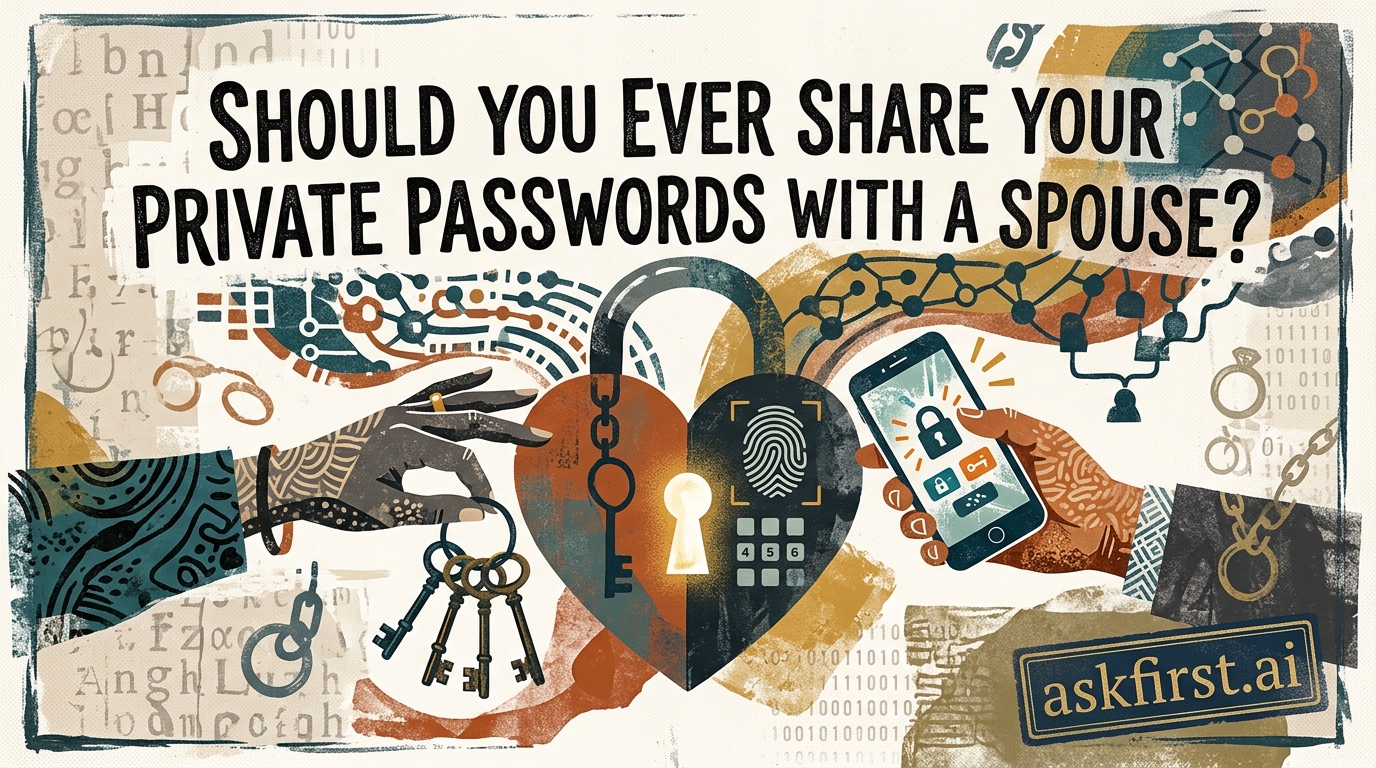
In the modern age, marital trust is often measured by the willingness to share digital boundaries. While the impulse to hand over a master password list may stem from a desire for total transparency, cybersecurity experts universally caution against this practice. The reality is that sharing credentials, even with the person closest to you, introduces unnecessary vulnerabilities and complicates personal accountability in the digital ecosystem.
The Technical Risks of Shared Credentials
When passwords are shared, they lose their status as unique keys. A password intended for one user suddenly becomes accessible to two or more, exponentially increasing the surface area for a potential data breach. If one spouse accidentally clicks a phishing link, logs into a public Wi-Fi network, or uses a weak password, the entire digital identity of both individuals becomes compromised. Furthermore, password managers were designed for individual use. Utilizing a single account for multiple people forces the sharing of entire vaults, meaning one mistake affects every sensitive document, financial account, and personal record housed within that account.
Ethical and Psychological Boundaries
Beyond the technical risks, maintaining individual digital autonomy is essential for a healthy relationship. Every individual deserves a space that is exclusively theirs, whether for personal journaling, private correspondence, or professional growth. Sharing credentials often blurs the line between intimacy and surveillance. When the barrier to private information is removed, the trust that relies on independent integrity is replaced by a reliance on accessibility. Establishing healthy boundaries demonstrates respect for individual privacy while fostering a relationship built on character rather than monitoring.
Best Practices for Digital Coexistence
Instead of sharing passwords, couples should adopt modern, secure methods for managing shared responsibilities. Following these protocols will ensure both safety and convenience:
- Use Dedicated Shared Vaults: If you need to manage household finances or utility accounts, use a collaborative password manager feature. Many premium services offer a 'sharing center' that allows specific entries to be shared without exposing a master password.
- Digital Inheritance Planning: Rather than sharing active passwords, utilize digital legacy features. Most major tech providers now allow users to designate an 'emergency contact' who can access accounts in the event of an incapacitating emergency, ensuring that information is available only when absolutely necessary.
- Standardized Security Hygiene: Both partners should prioritize their own two-factor authentication (2FA). By keeping accounts separate but both protected with strong, unique identifiers, you achieve the security needed without sacrificing privacy.
Ultimately, sharing passwords is an inefficient and risky way to demonstrate commitment. True marital security is built on transparency in conversation, not the total abandonment of digital boundaries. By leveraging technology to manage shared assets safely, couples can protect their collective future while honoring their individual digital lives.