Nutrition for Optimal Hair Health: A Comprehensive Guide
Achieving strong, lustrous, and healthy hair is fundamentally rooted in nutritional intake. Hair is primarily composed of a tough protein called keratin. Because hair is a non-essential tissue, the body prioritizes nutrients for vital organs first, meaning any dietary deficiencies often manifest as hair thinning or brittleness. To cultivate hair health, one must focus on a balanced intake of proteins, essential fatty acids, vitamins, and minerals.
1. Key Nutritional Pillars for Hair Growth
Protein: The Building Block
Since hair is 80-90% protein, an inadequate intake leads to a weakened hair shaft.
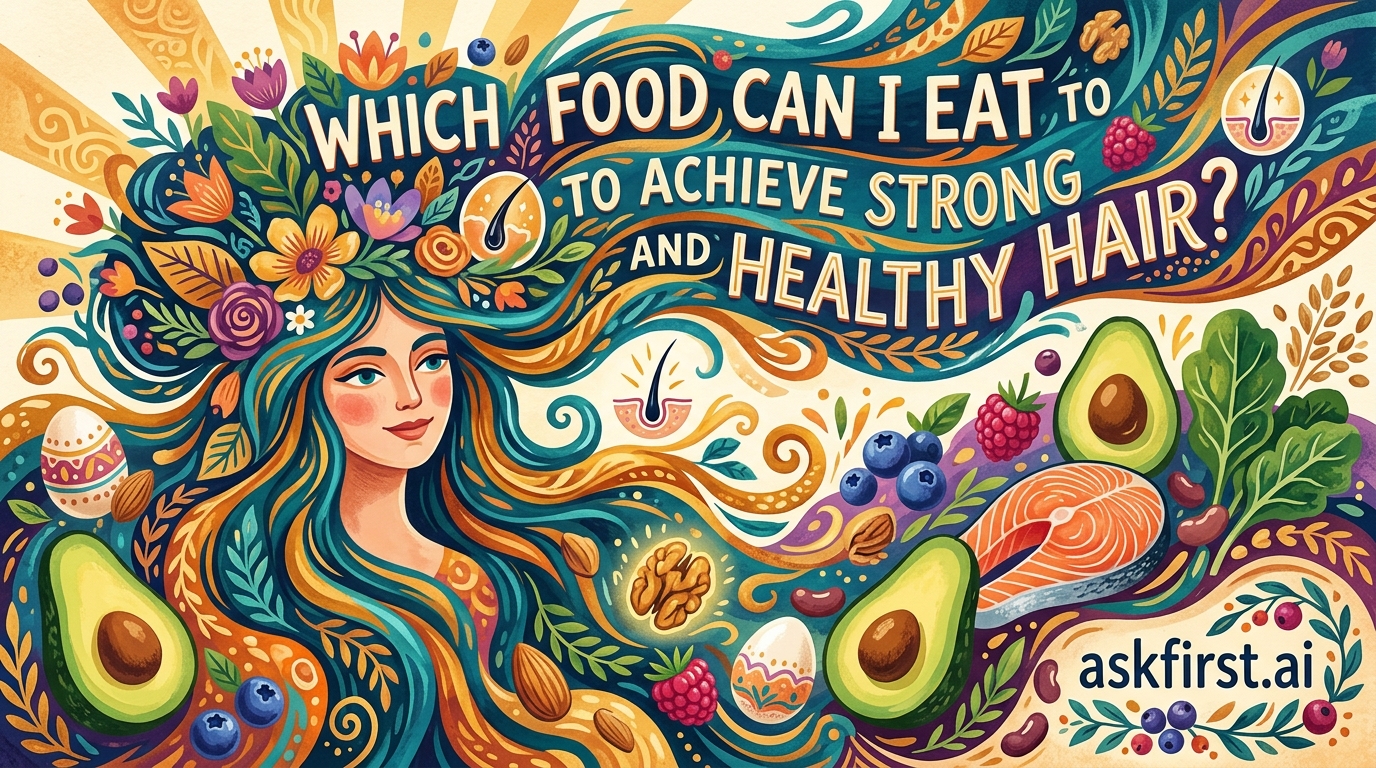
- Sources: Eggs (rich in biotin), lean meats, poultry, beans, and lentils.
- Action: Aim for high-quality animal or plant-based proteins at every meal to provide the amino acids necessary for keratin production.
Essential Fatty Acids (Omega-3s)
The body cannot produce these fats; they must be ingested. Omega-3s nourish the hair follicles and provide oils that keep the scalp hydrated.
- Sources: Fatty fish (salmon, mackerel, sardines), walnuts, flaxseeds, and chia seeds.
- Benefit: These fats reduce scalp inflammation and improve hair density and shine.
Vitamins for Follicle Support
- Vitamin A: Necessary for sebum production, which naturally conditions the scalp. (Found in sweet potatoes, carrots, and spinach).
- B-Vitamins (Biotin/B7): Essential for the production of red blood cells, which carry oxygen to the scalp. (Found in whole grains, almonds, and avocados).
- Vitamin C: Acts as a powerful antioxidant that protects against oxidative stress and aids in the absorption of iron. (Found in citrus fruits, strawberries, and bell peppers).
- Vitamin D: Low levels are clinically linked to alopecia. Ensure exposure to sunlight or supplementation if deficient.
Minerals: The Catalysts
- Iron: Prevents anemia, a primary cause of hair loss in women. (Found in red meat, lentils, and dark leafy greens like kale).
- Zinc: Plays a crucial role in hair tissue growth and repair. It also keeps the oil glands around the follicles working properly. (Found in oysters, pumpkin seeds, and chickpeas).
2. Practical Dietary Strategy
To achieve visible results, consistency is mandatory. Follow this structured approach:
- Hydration: Water is the delivery system for nutrients. Dehydration leads to dry, brittle hair. Aim for 2–3 liters daily.
- The "Rainbow" Approach: Consume colorful vegetables daily to ensure a broad spectrum of phytonutrients that combat follicle-damaging free radicals.
- Avoid Fad Diets: Rapid weight loss or restrictive calorie intake often triggers telogen effluvium, a condition where hair enters a resting phase and sheds prematurely.
- Monitor Supplementation: While supplements exist, whole foods are superior due to the synergistic effect of nutrients. Consult a healthcare provider before starting high-dose biotin or iron.
3. Future Trends and Scientific Outlook
Recent research into the gut-hair axis suggests that a healthy microbiome may improve nutrient absorption, thereby indirectly benefiting hair quality. Furthermore, personalized nutrition based on nutrigenomics—analyzing DNA to determine specific nutrient needs—is becoming the gold standard for treating chronic hair thinning.
By integrating these nutrient-dense foods into your lifestyle, you provide the follicles with the raw materials required for growth, strength, and resilience. Focus on whole, unprocessed foods to ensure the highest bioavailability of these essential compounds.