The Quest for Connection: True Love in the Age of Digital Dating
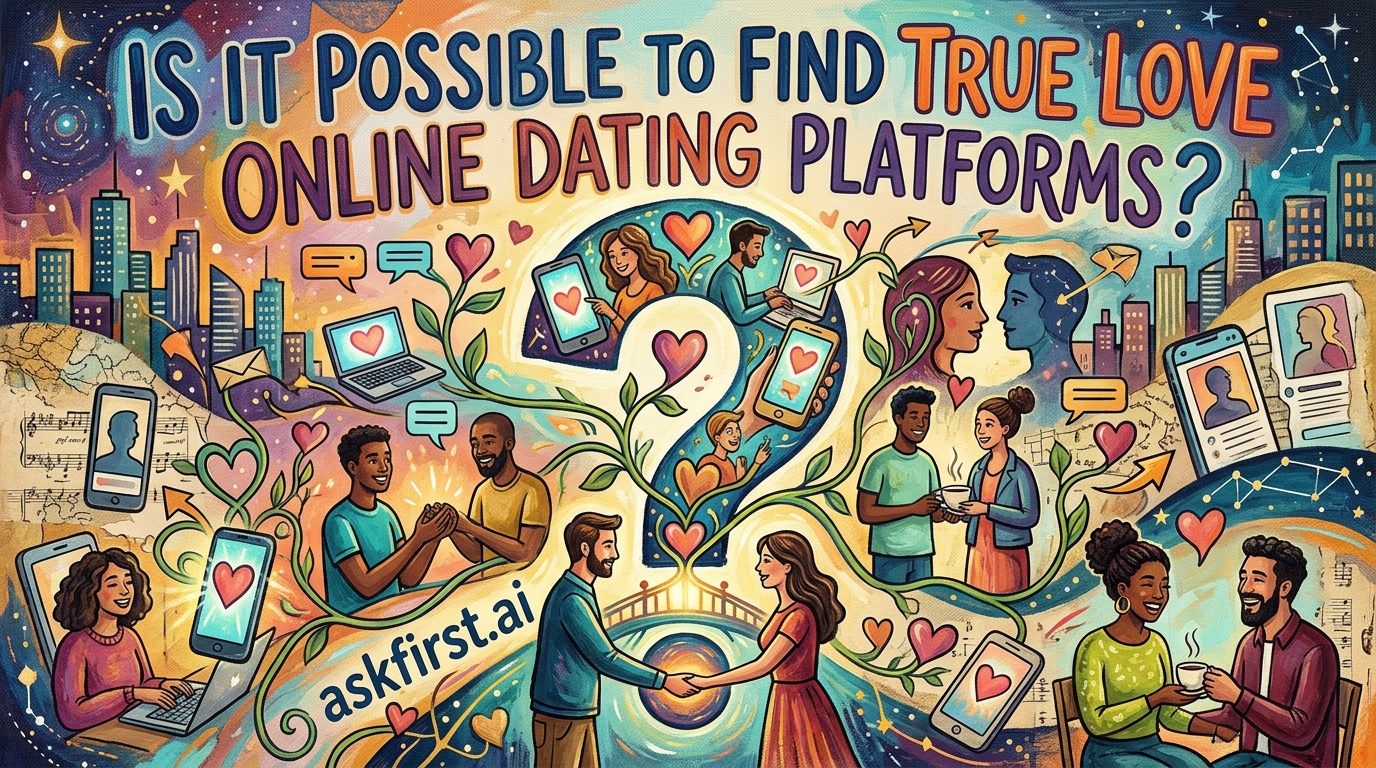
The question of whether "true love" can be found on online dating platforms is one of the most debated sociological topics of the 21st century. As of June 2026, data suggests that digital matchmaking has evolved from a niche alternative to the primary method by which couples meet in the Western world.
A Historical and Statistical Overview
Online dating originated in the mid-1990s with platforms like Match.com. Initially stigmatized as a "last resort" for the socially isolated, the landscape shifted dramatically with the advent of mobile-first, swipe-based applications like Tinder (2012) and the subsequent rise of algorithmic platforms like Hinge and Bumble.
- Statistical Prevalence: Recent studies indicate that approximately 30-40% of new marriages in the United States now originate from online introductions.
- Success Metrics: Longitudinal studies from institutions like the Stanford University "How Couples Meet and Stay Together" project suggest that relationships formed online are often as stable—if not more so—than those formed through traditional offline social networks.
The Mechanics of "True Love" Online
Finding a long-term partner through an app requires navigating a complex intersection of psychology, technology, and intentionality.
1. The Algorithmic Filter
Modern platforms utilize sophisticated machine learning to match users based on behavioral data, stated preferences, and geographic proximity. While these algorithms are effective at filtering for "compatibility" (shared values, lifestyle, and life goals), they cannot account for the intangible "chemistry" that defines romantic love.
2. The Paradox of Choice
One of the primary criticisms of digital dating is the Paradox of Choice, a theory suggesting that an abundance of options leads to decision paralysis and decreased satisfaction. Users often fall into the trap of "commodity-fication," viewing potential partners as profiles to be browsed rather than individuals to be known.
A Practical Guide to Success
To increase the probability of finding a genuine, lasting connection, users should adopt a structured approach:
- Define Intentions Early: Be transparent about seeking a long-term relationship. This filters out those looking for casual interactions.
- Move Offline Quickly: Digital communication creates an idealized "pen-pal" persona. Authentic connection requires physical presence, body language, and shared environmental experiences. Aim for an in-person meeting within 7-10 days of sustained messaging.
- Vet Through Conversation: Use the chat phase to probe for core value alignment (e.g., family goals, financial philosophy, conflict resolution styles) rather than superficial hobbies.
- Maintain Authenticity: Profiles that accurately reflect one’s personality and lifestyle reduce the risk of "false advertising," which is a primary cause of early relationship failure.
Pros and Cons
- Pros: Access to a vast pool of potential partners outside one's immediate social circle; ability to filter by non-negotiable life criteria; convenience for busy professionals.
- Cons: Burnout from repetitive interaction; the potential for deception (catfishing); the tendency to prioritize superficial physical attributes due to the interface design.
Future Trends
The future of online dating is moving toward AI-assisted matchmaking, where sophisticated bots may act as "relationship coaches" to vet matches and facilitate more meaningful initial interactions. Furthermore, the integration of VR and AR may soon allow for "virtual dates" that simulate physical presence more effectively than current video-calling technology.
Conclusion
True love is entirely possible through online platforms, provided that the user treats the technology as a facilitator of introduction rather than a guarantor of compatibility. The platform merely opens the door; the effort, vulnerability, and emotional labor required to cultivate "true love" remain, as they have always been, a human endeavor.