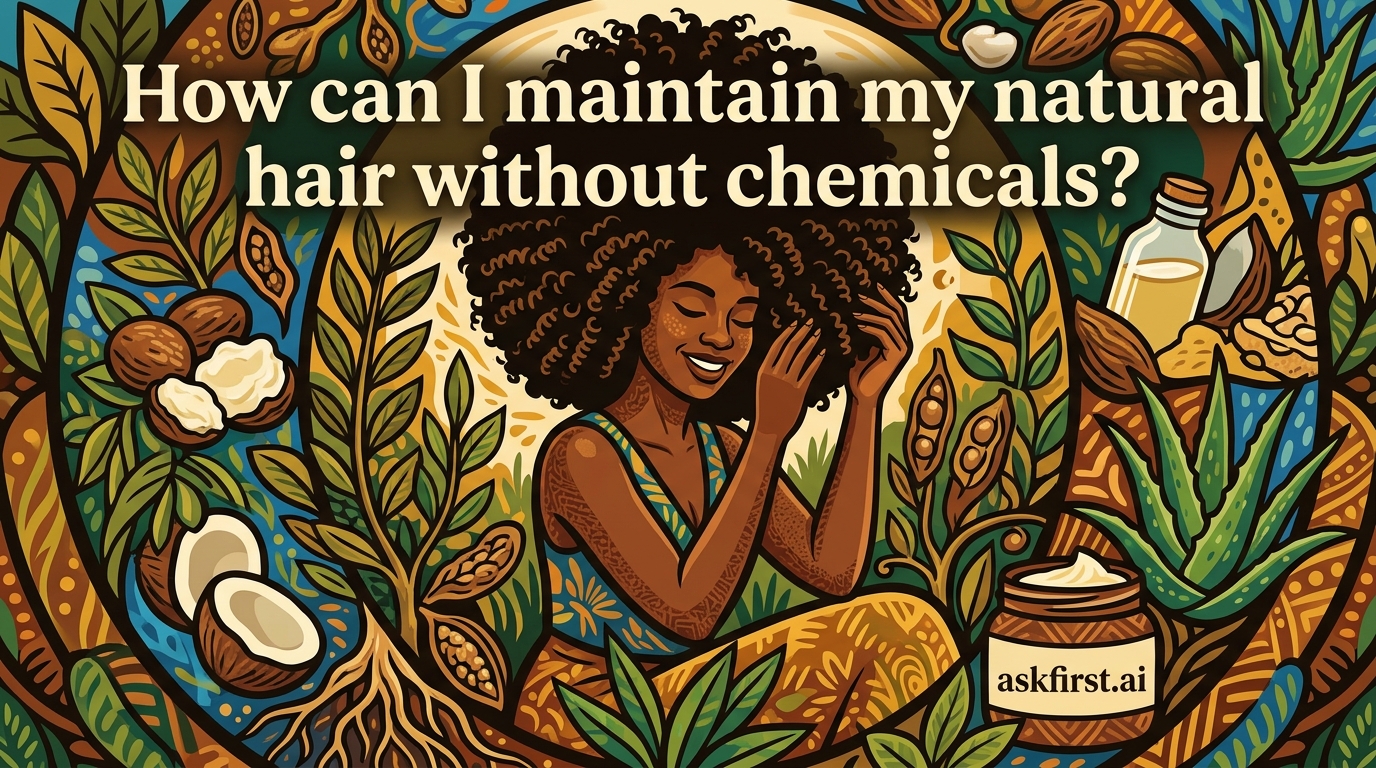
The Comprehensive Guide to Natural Hair Care: A Chemical-Free Approach
Maintaining natural hair without the use of chemical relaxers, texturizers, or harsh synthetic additives is a journey centered on moisture retention, scalp health, and structural integrity. Embracing a "natural" regimen means moving away from aggressive processing and toward holistic, ingredient-conscious practices.
1. The Core Philosophy: The LOC/LCO Method
The foundation of natural hair health is moisture. Because natural hair (often categorized by its coiled or curly structure) makes it difficult for sebum from the scalp to travel down the hair shaft, dryness is a common challenge.
- L (Liquid/Leave-in): Apply a water-based leave-in conditioner to hydrate.
- O (Oil): Seal the hair with a natural oil (e.g., jojoba, argan, or almond oil) to lock in that hydration.
- C (Cream): Apply a thick styling cream or butter (like shea butter) to provide hold and further seal the cuticle.
Note: Some prefer the LCO method, which involves the cream before the oil, depending on hair porosity.
2. Essential Scalp and Strand Hygiene
Avoiding chemicals requires being vigilant about the ingredients in your cleansers.
- Avoid Sulfates: Sulfates (like Sodium Lauryl Sulfate) strip hair of natural oils. Opt for "co-washing" (using conditioner to clean) or sulfate-free, botanical-based shampoos.
- Clarifying Naturally: If you experience buildup, use an Apple Cider Vinegar (ACV) rinse. Mix one part ACV with four parts water to restore the hair’s pH balance and remove residue without harsh detergents.
- Deep Conditioning: At least bi-weekly, use deep conditioning masks containing natural humectants like honey, aloe vera, or avocado. These penetrate the shaft to repair elasticity.
3. Practical Daily Maintenance
- Detangling: Never detangle dry hair. Always use a wide-tooth comb or your fingers while the hair is saturated with conditioner. Start from the ends and work your way up to the roots to prevent breakage.
- Protective Styling: To minimize manipulation, wear styles that tuck your ends away, such as twists, braids, or bantu knots. This reduces environmental damage and mechanical stress.
- Nighttime Routine: Use a silk or satin bonnet/pillowcase. Cotton absorbs moisture and creates friction, leading to frizz and breakage.
4. Pros and Cons of Chemical-Free Care
Pros:
- Structural Integrity: Your hair retains its natural protein structure, leading to less breakage over time.
- Scalp Health: Reducing exposure to harsh chemicals minimizes the risk of contact dermatitis and scalp irritation.
- Cost-Effective: Many natural solutions (oils, vinegar, aloe) are affordable pantry staples.
Cons:
- Time Commitment: Natural hair requires significant patience, especially during the transition phase.
- Trial and Error: Finding the right combination of natural products for your specific porosity and curl pattern requires experimentation.
5. Future Trends
The industry is shifting toward "clean beauty," emphasizing transparency in sourcing. We are seeing a rise in Ayurvedic hair care—the use of powders like Henna (for strengthening), Amla, and Shikakai. These ancient botanical traditions are becoming the gold standard for naturalists seeking to maintain hair health without modern synthetic interventions. By focusing on hydration, gentle manipulation, and natural nutrition, you can cultivate a resilient, healthy head of hair.