Postpartum Recovery and Care: A Comprehensive Guide
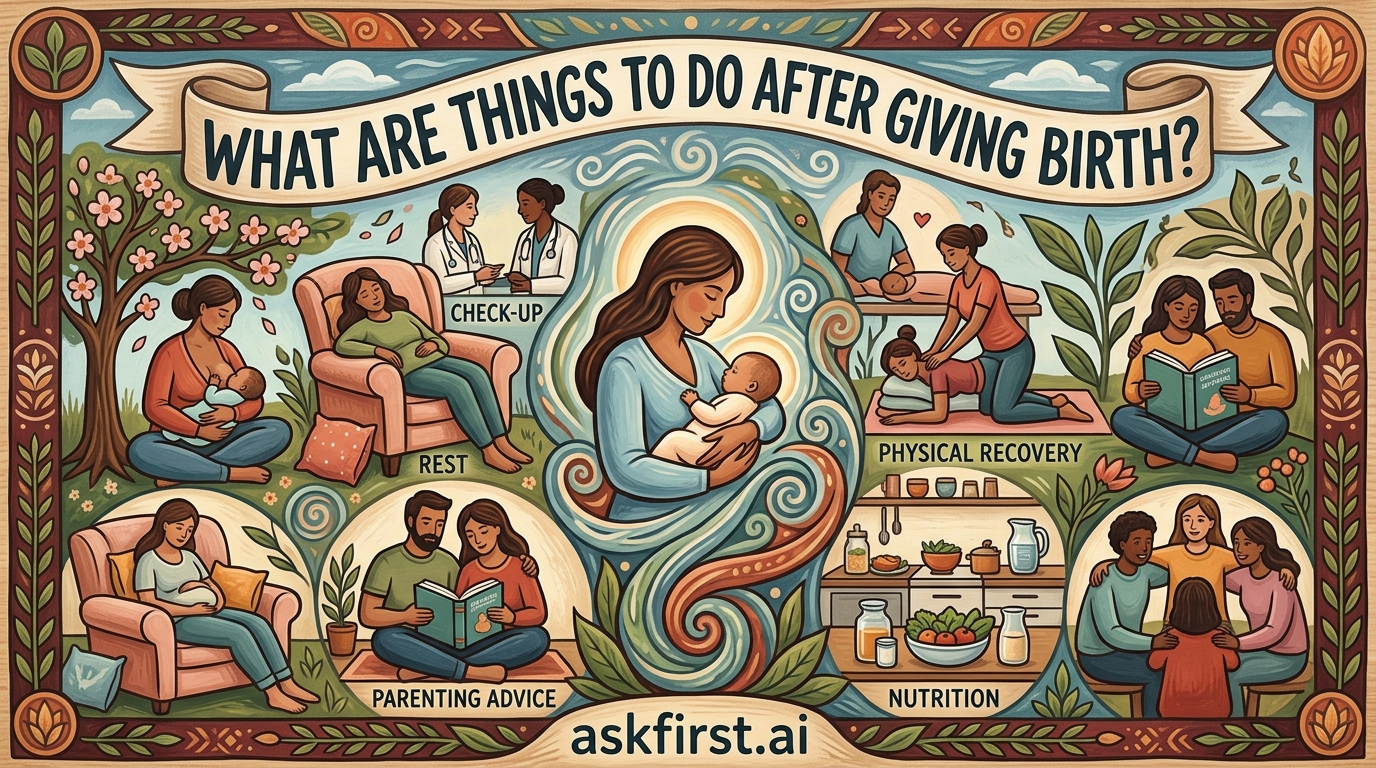
The period immediately following childbirth, known as the postpartum period or the "fourth trimester," is a critical phase of physical and emotional transition. Lasting roughly six to twelve weeks, this timeframe requires intentional self-care, medical monitoring, and support to ensure both the birthing parent and the newborn thrive.
1. Physical Recovery and Symptom Management
Postpartum recovery involves healing from the trauma of labor and adjusting to hormonal shifts.
- Perineal and Incisional Care: If you had a vaginal delivery, use a peri-bottle with warm water after every bathroom visit to keep the area clean. For C-section recovery, keep the incision site clean and dry. Watch for signs of infection, such as increased redness, swelling, or foul-smelling discharge.
- Pain Management: Over-the-counter medications like ibuprofen or acetaminophen are generally safe for breastfeeding parents, but always consult your healthcare provider first. Use ice packs for the first 24–48 hours to reduce swelling.
- Hormonal Shifts: Expect "baby blues"—mild mood swings, irritability, or tearfulness—within the first week. These usually resolve on their own. However, if symptoms persist beyond two weeks or involve severe anxiety or hopelessness, seek professional help for Postpartum Depression (PPD).
2. Nutritional and Hydration Priorities
Your body is recovering from significant blood loss and energy expenditure.
- Hydration: Aim for 8–10 glasses of water daily, especially if breastfeeding, which increases fluid requirements.
- Fiber Intake: To prevent constipation—a common postpartum issue—consume high-fiber foods like whole grains, fruits, and vegetables.
- Iron-Rich Foods: If you lost significant blood during delivery, prioritize leafy greens, lean meats, and legumes to replenish iron stores and combat fatigue.
3. Newborn Care and Bonding
The primary goal is the establishment of a secure attachment.
- Skin-to-Skin Contact: Practicing "kangaroo care" regulates the baby’s heart rate, temperature, and breathing while boosting parental oxytocin levels.
- Feeding Schedules: Whether breastfeeding or formula feeding, recognize that newborns have small stomachs and require frequent feeding (every 2–3 hours). Breastfeeding is a learned skill; do not hesitate to consult a lactation consultant if latching issues arise.
- Safe Sleep: Follow the AAP guidelines: place the baby on their back on a firm, flat surface, free of blankets, pillows, or stuffed animals to reduce the risk of SIDS.
4. When to Seek Emergency Medical Attention
Do not ignore "red flag" symptoms. Contact your OB/GYN or emergency services immediately if you experience:
- Heavy Bleeding: Soaking through more than one pad per hour.
- Signs of Preeclampsia: Severe headaches, vision changes, or sudden swelling in the hands and face.
- Infection Indicators: A fever over 100.4°F (38°C) or foul-smelling lochia (postpartum bleeding).
- Mental Health Crises: Thoughts of harming yourself or the baby.
5. Future Trends and Support
Modern postpartum care is shifting toward a more integrated model. Many healthcare systems are now implementing "fourth-trimester check-ins" at the three-week mark rather than waiting for the traditional six-week visit. Furthermore, the rise of digital health tools allows parents to track baby milestones and maternal recovery metrics, providing data-driven peace of mind. Prioritize rest, accept help from friends and family, and remember that you are learning alongside your child.