Comprehensive Guide to Natural Hair Care at Home
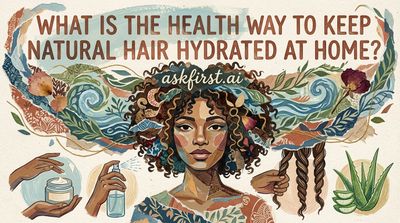
Caring for natural hair—specifically tightly coiled, curly, or kinky hair textures—requires a specialized approach centered on moisture retention, gentle handling, and scalp health. Unlike straighter hair types, the sebum produced by the scalp struggles to travel down the spiral structure of natural strands, making them inherently prone to dryness and breakage.
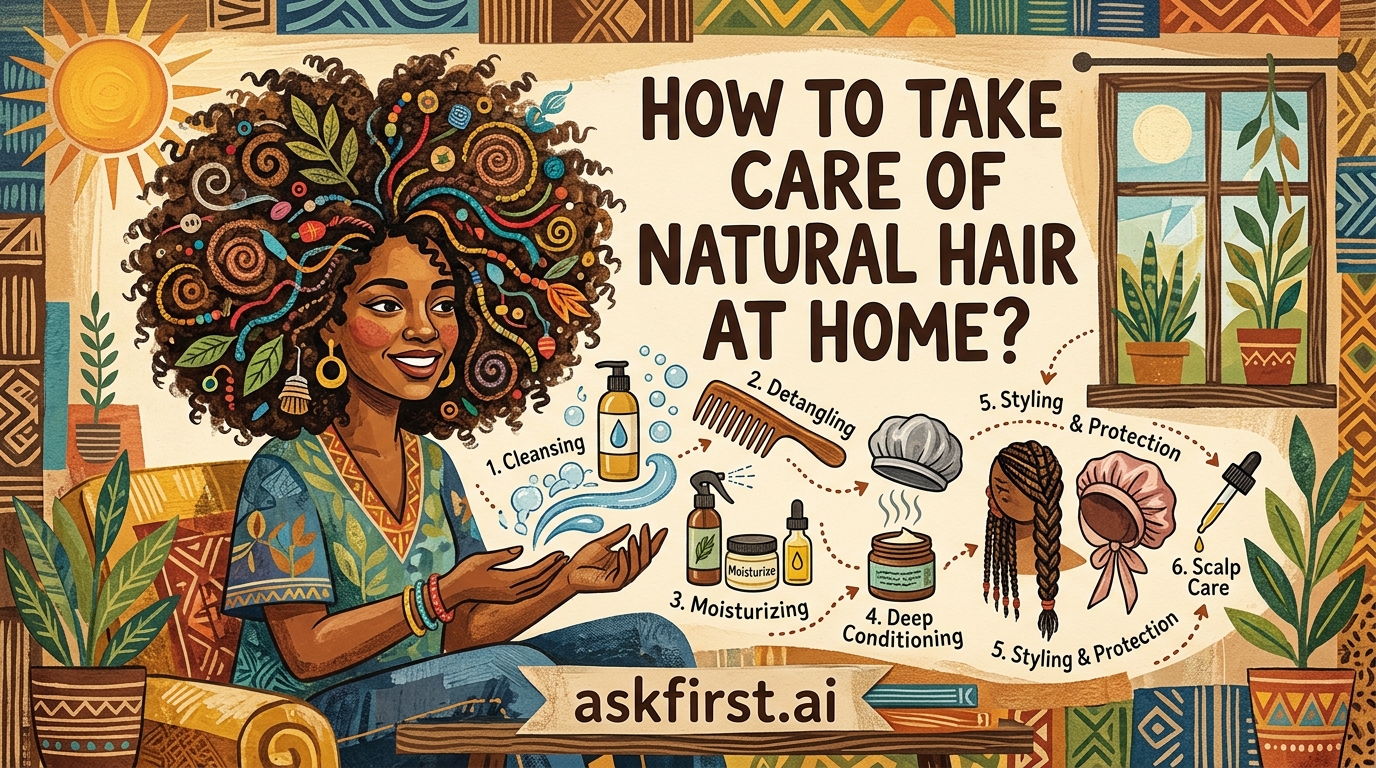
1. The Foundation: Cleansing and Conditioning
The cornerstone of natural hair care is a consistent routine that prioritizes hydration.
- Cleansing: Avoid harsh sulfates that strip natural oils. Use sulfate-free moisturizing shampoos or consider "co-washing" (cleansing with conditioner) for mid-week refreshes. Focus on the scalp to remove buildup, allowing the hair to remain supple.
- Deep Conditioning: This is non-negotiable. Apply a deep conditioner or hair mask at least once a week. For better absorption, apply heat using a hooded dryer or a thermal cap for 20–30 minutes to open the hair cuticle.
- Detangling: Never detangle dry hair. Use a generous amount of conditioner or a detangling spray while the hair is saturated with water. Use a wide-tooth comb or your fingers, starting from the ends and working upward to the roots to prevent mechanical damage.
2. The L.O.C. or L.C.O. Method
To combat dryness, naturalistas often utilize the L.O.C. (Liquid/Leave-in, Oil, Cream) or L.C.O. (Liquid/Leave-in, Cream, Oil) method.
- Liquid: Start with water or a water-based leave-in conditioner to provide the primary source of moisture.
- Oil/Cream: Apply a natural oil (like jojoba, argan, or olive oil) or a thick cream (like shea butter) to seal the moisture into the hair shaft.
- Final Seal: The sequence depends on your hair’s porosity. High-porosity hair often prefers the cream first to fill gaps in the cuticle, followed by oil to lock it in.
3. Protective Styling and Nighttime Care
Protecting your hair from friction is vital for length retention.
- Nighttime Routine: Use a satin or silk bonnet or pillowcase. Cotton absorbs moisture and causes friction, leading to frizz and breakage. Pineapple your hair (a high, loose ponytail) to preserve curls overnight.
- Protective Styles: Braids, twists, or Bantu knots protect the ends—the oldest and most fragile part of the hair—from environmental stressors. Ensure these styles are not installed too tightly to avoid traction alopecia.
4. Practical Maintenance Tips
- Trim Regularly: Even if you are growing your hair out, "dusting" the ends every 8–12 weeks prevents split ends from traveling up the hair shaft.
- Protein Treatments: If your hair feels limp or overly elastic, use a protein treatment once a month to reinforce the keratin structure.
- Scalp Stimulation: Regular scalp massages with lightweight oils like rosemary or peppermint can stimulate blood flow and support follicle health.
5. Future Trends and Sustainability
The natural hair movement is shifting toward "Skinification," where scalp care is treated with the same rigor as facial skincare. There is also a rising focus on microbiome-friendly products that balance the scalp’s natural flora. By understanding your unique porosity and texture, you can build a sustainable, cost-effective routine that celebrates the natural integrity of your hair.