The Science and Maintenance of Natural Hair Hydration
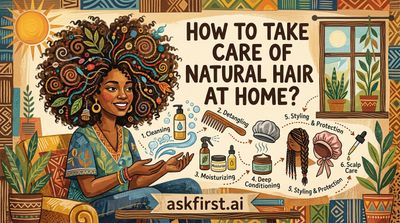
Maintaining hydration in natural hair—specifically Type 3 and Type 4 textures—is a foundational pillar of hair health. Because the tight coils of natural hair make it difficult for the scalp’s natural sebum to travel down the hair shaft, these textures are inherently prone to dryness. Achieving optimal moisture balance requires a multi-faceted approach involving proper cleansing, conditioning, and sealing techniques.
1. The Core Methodology: The LOC/LCO Method
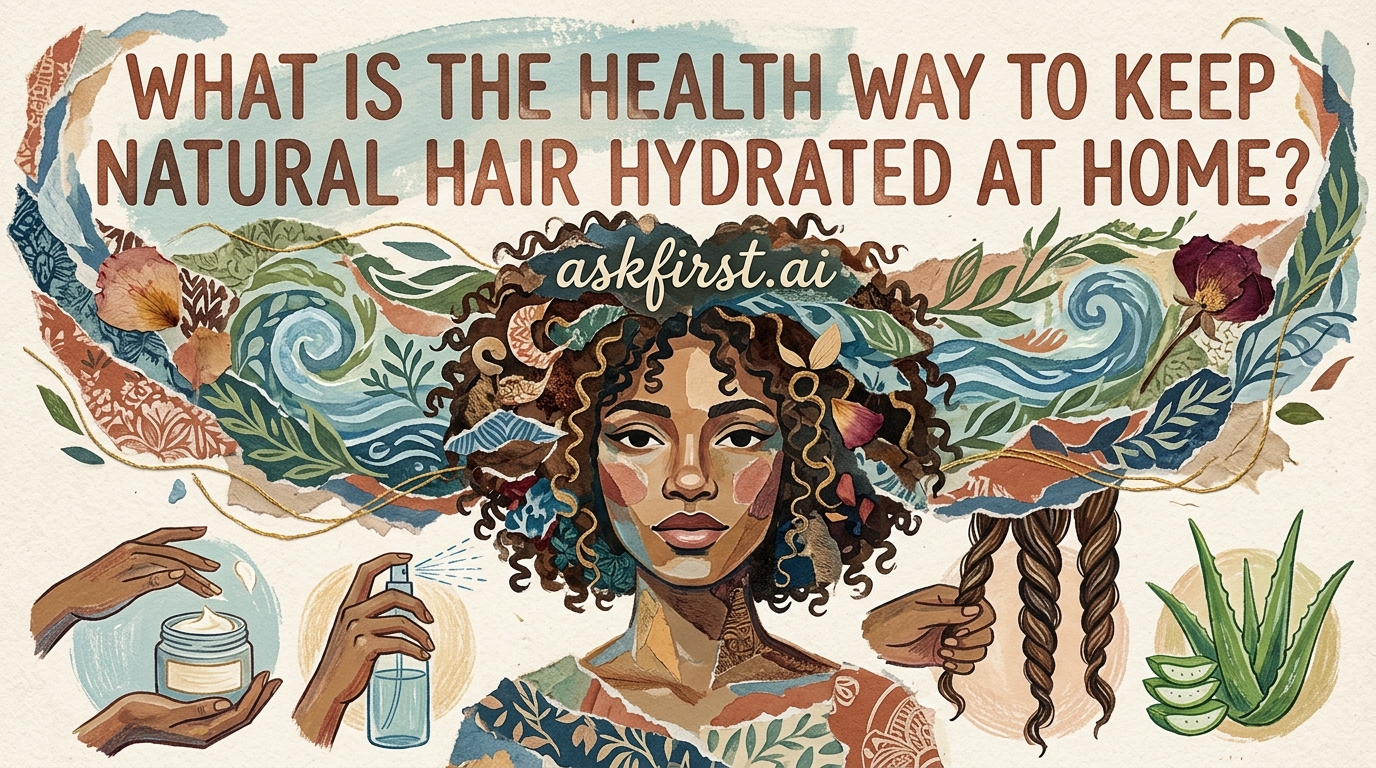
The most effective way to hydrate natural hair at home is the application of the LOC (Liquid, Oil, Cream) or LCO (Liquid, Cream, Oil) method. This layering technique traps moisture within the cuticle.
- Liquid (L): Start with water or a water-based leave-in conditioner. Water is the only true hydrator; everything else is a sealant.
- Oil (O): Use a natural oil (e.g., jojoba, argan, or sweet almond) to penetrate the strand or coat it, reducing water evaporation.
- Cream (C): Use a thick, water-based butter or cream (e.g., shea butter or mango butter) to define the coil and provide lasting structural moisture.
2. Strategic Cleansing and Conditioning
Hydration begins in the shower. Over-washing strips natural oils, while under-washing leads to product buildup that prevents moisture absorption.
- Co-washing: For mid-week refreshing, use a cleansing conditioner instead of a harsh shampoo to remove debris without stripping lipids.
- Deep Conditioning: Once a week, use a deep conditioner containing humectants like glycerin, honey, or panthenol. These ingredients draw atmospheric moisture into the hair strand. Heat application (a hooded dryer or thermal cap) is recommended to open the cuticle and ensure deep penetration.
3. Protective Habits and Environment
Internal health and external protection are equally vital for moisture retention.
- The Silk/Satin Standard: Cotton pillowcases absorb moisture from hair while you sleep. Switch to silk or satin bonnets and pillowcases to prevent friction and moisture loss.
- Protective Styling: Styles such as twists, braids, or bantu knots protect the ends—the oldest and driest part of the hair—from environmental damage.
- Hydration from Within: Hair health is a reflection of systemic health. Consistent hydration (drinking 2–3 liters of water daily) and a diet rich in Omega-3 fatty acids and Vitamin E support the scalp’s natural oil production.
4. Pros and Cons of Common Practices
| Practice | Pros | Cons |
|---|---|---|
| Heavy Butters | Excellent at sealing moisture. | Can cause buildup if not clarified. |
| Daily Misting | Refreshes curls instantly. | Can lead to hygral fatigue if overdone. |
| Protein Treatments | Strengthens hair bonds. | Too much protein makes hair brittle. |
5. Future Trends and Summary
The future of natural hair care is moving toward micro-hydration technology and pH-balanced formulations. By avoiding sulfates and silicones that create artificial barriers, you allow the hair to breathe and absorb nutrients naturally. To maintain hydrated hair, focus on consistent water intake, weekly deep conditioning, and the strategic layering of moisture-sealing products. By treating your hair with the same care as delicate fabric, you ensure longevity, elasticity, and vibrant curl definition.