The Authorship and Composition of the Old Testament: A Scholarly Overview
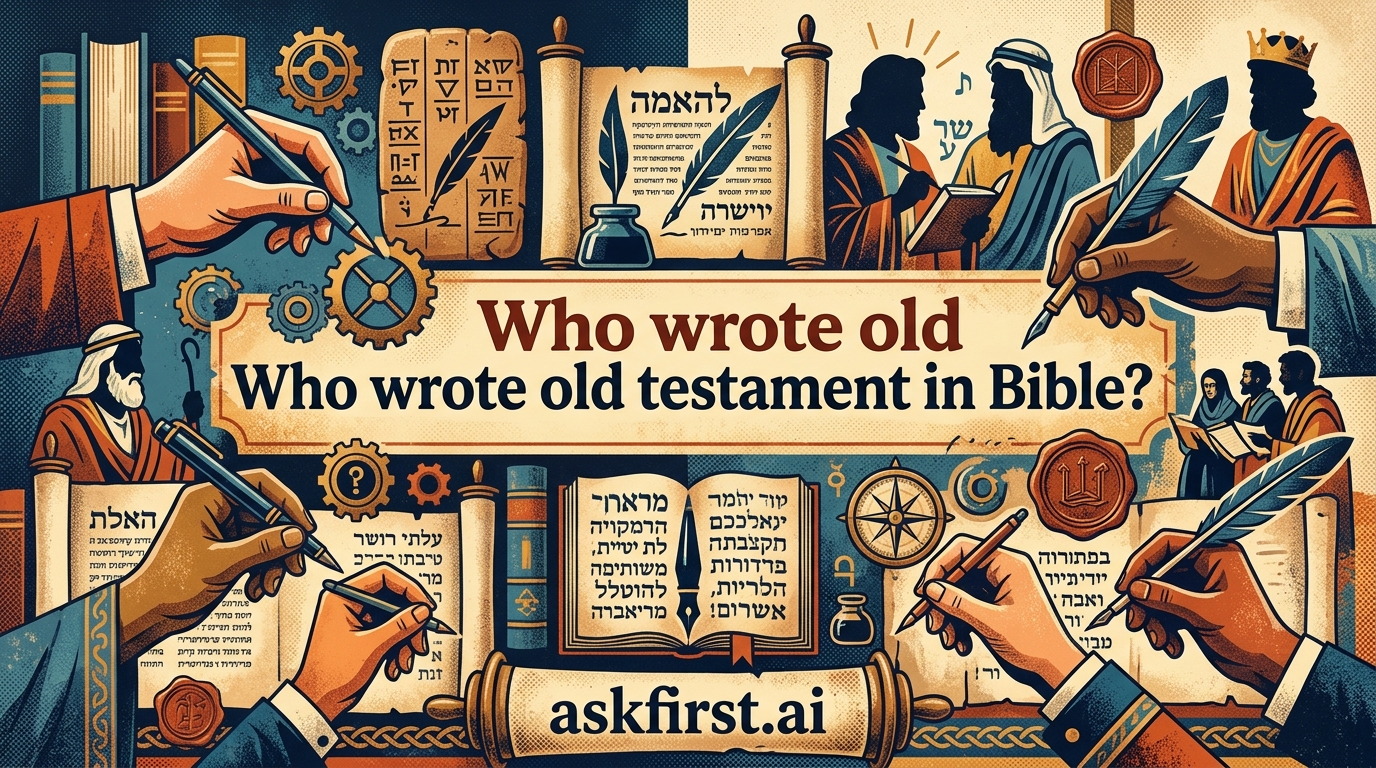
The authorship of the Old Testament is a complex subject that bridges theology, archaeology, and literary criticism. Unlike modern books with a single credited author, the Old Testament is a library of 39 books composed over approximately 1,000 years, involving various contributors, editors, and traditions.
The Traditional View: Divine Inspiration and Mosaic Authorship
Traditionally, Jewish and Christian perspectives have attributed the Pentateuch (the first five books: Genesis, Exodus, Leviticus, Numbers, and Deuteronomy) to Moses. This view, rooted in internal references within the text itself (such as Exodus 17:14), suggests that Moses wrote these books under divine inspiration. Similarly, the historical books were often attributed to prophets like Samuel or Jeremiah, while the Wisdom literature was traditionally associated with King Solomon or David.
Modern Critical Scholarship: The Documentary Hypothesis
Since the 19th century, biblical scholars have largely adopted the Documentary Hypothesis (or the Wellhausen Hypothesis) to explain the composition of the Torah. This theory posits that the Pentateuch is a compilation of four distinct source documents, later woven together by redactors:
- J (Jahwist): Uses the name "Yahweh" for God and features an anthropomorphic divine character.
- E (Elohist): Uses "Elohim" and focuses on northern Israelite traditions.
- D (Deuteronomist): Primarily associated with the book of Deuteronomy, emphasizing law and covenant.
- P (Priestly): Focuses on ritual, genealogy, and legal structure, likely composed during or after the Babylonian Exile.
The Process of Compiling and Redaction
The Old Testament was not written in a vacuum; it evolved through oral traditions, scribal schools, and royal archives. Scholars believe that much of the material was compiled during the Babylonian Exile (586–539 BCE) and the subsequent post-exilic period. This era of "redaction" was essential to preserve the identity of the Jewish people. Editors synthesized disparate regional oral histories into a cohesive national narrative.
Key Categories of Authorship:
- The Prophets: Many books bear the names of prophets (Isaiah, Jeremiah, Ezekiel), though scholars note that these books often contain additions by later disciples or "schools" of followers who expanded upon the original prophetic message.
- The Wisdom Tradition: Books like Proverbs and Ecclesiastes are attributed to Solomon, yet linguistic analysis suggests they were finalized much later, potentially drawing from ancient Near Eastern wisdom literature common in the region.
- The Psalms: Traditionally attributed to David, the book of Psalms is an anthology containing works from many authors, including the Sons of Korah, Asaph, and anonymous temple musicians.
Pros and Cons of Historical-Critical Approaches
- Pros: Provides a rigorous, evidence-based understanding of how ancient texts evolved; highlights the socio-political context of Israelite history.
- Cons: Can sometimes overlook the theological unity perceived by religious communities; relies on linguistic reconstructions that remain subject to ongoing academic debate.
Future Trends
Technological advancements, such as Digital Text Analysis and Carbon-14 dating of Dead Sea Scrolls and related manuscripts, continue to refine our understanding of the timeline. As archaeology uncovers more contemporary inscriptions from the Levant, the consensus on authorship continues to shift toward a more nuanced, multi-layered model of community-based authorship rather than individual creation.