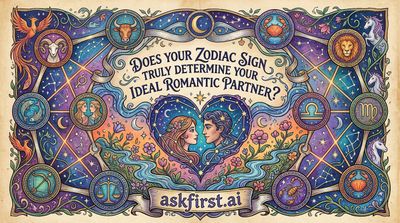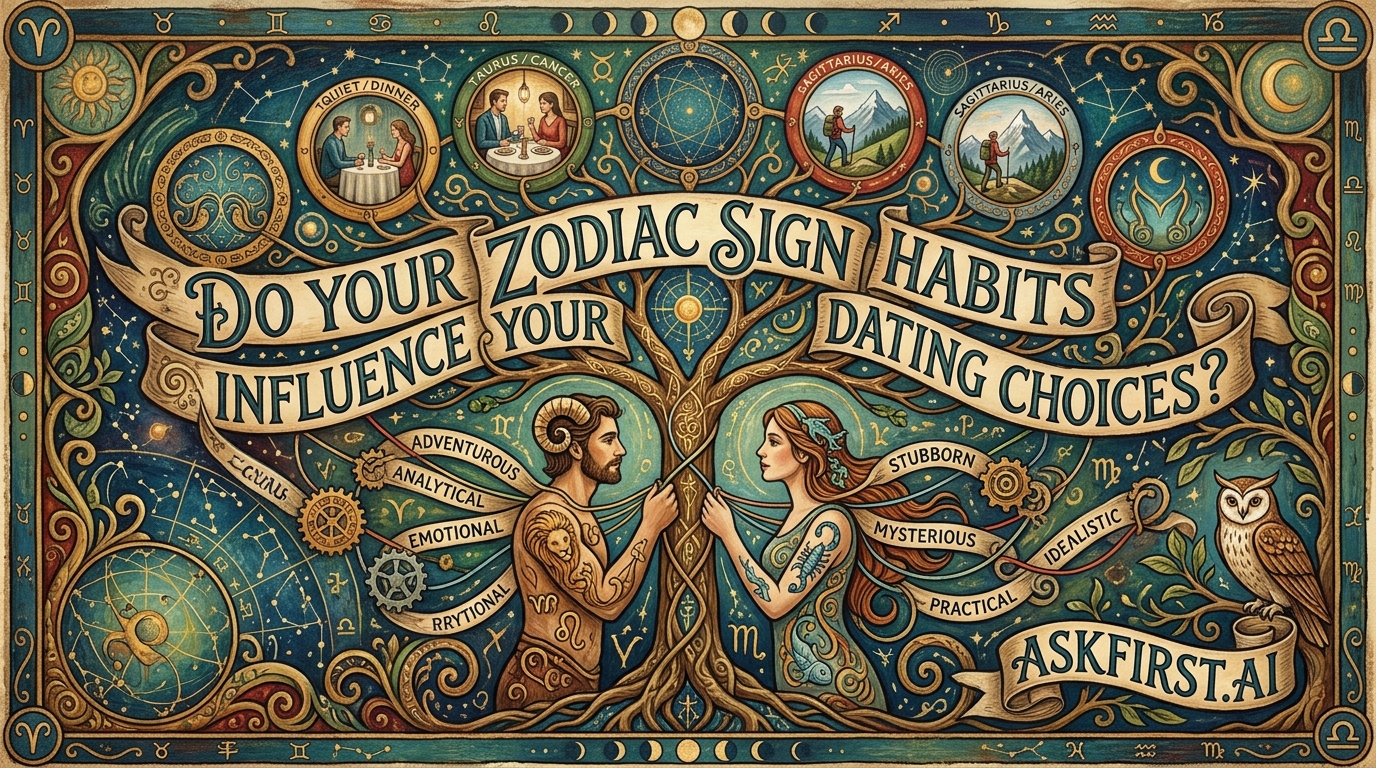
The Cosmic Blueprint: Do Zodiac Signs Actually Drive Dating Choices?
Astrology remains one of the most enduring cultural frameworks for understanding human behavior, particularly in the complex arena of romance. While scientific consensus views astrology through the lens of the Barnum Effect—a psychological phenomenon where individuals believe generic personality descriptions apply specifically to them—the influence of these archetypes on dating choices is undeniable in a sociological context. The belief systems surrounding zodiac habits act as a powerful cognitive filter, shaping expectations, communication styles, and even the selection of prospective partners.
The Role of Expectation Bias
When an individual identifies with their sun sign, they often unconsciously adopt the traits associated with that sign, a process known as self-fulfilling prophecy. If someone believes they are a "stereotypical" Scorpio who requires intense emotional depth, they will likely gravitate toward partners who exhibit complexity while filtering out those perceived as superficial. This is not necessarily about celestial mechanics; it is about psychological priming. By categorizing potential partners through an astrological lens, daters create a shortcut for assessing compatibility, which reduces the anxiety associated with the unknown nature of new relationships.
Psychological Anchors in Romance
- Pattern Recognition: Astrology provides a structured narrative for human behavior. By labeling habits as "Capricorn-like" or "Gemini-esque," individuals feel more equipped to handle the emotional volatility of dating.
- Validation Seeking: People often look for signs that validate their identity. A Leo seeking a partner who offers excessive praise is engaging in a habitual search for mirroring.
- Compatibility Blueprints: Many dating apps now include zodiac information, suggesting that users view these markers as essential criteria. This integration suggests that astrology serves as a shorthand for value alignment.
Myth vs. Reality in Modern Attraction
Critics argue that astrology is a pseudoscience, yet its utility in the dating market is functional. It acts as an icebreaker and a diagnostic tool for social compatibility. Research into attachment theory suggests that individuals often seek partners who trigger familiar childhood dynamics. Astrology maps these dynamics onto recognizable archetypes, allowing daters to subconsciously pursue "types" that feel comfortable. Whether these habits are truly derived from planetary positions or from ingrained social conditioning, they dictate which individuals a person finds magnetic. The influence is profound because it operates in the subconscious, dictating how a person interprets a partner’s silence, affection, or ambition. Ultimately, whether one believes in the stars or not, the adoption of zodiac habits provides a lexicon for expressing needs and boundaries, making it an influential tool in the architecture of modern romance.