Astrological Compatibility and Relationship Dynamics
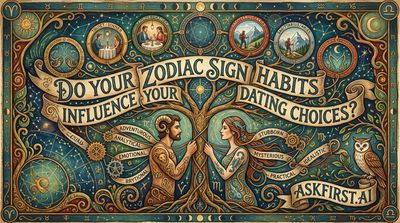
The question of whether zodiac signs dictate the success or failure of romantic relationships is a subject of intense debate, bridging the gap between ancient cultural tradition and modern psychological skepticism. While astrology is not a scientifically validated field, millions use it as a psychological framework to interpret behavioral patterns, attachment styles, and interpersonal friction.
The Foundations of Astrological Compatibility
Astrological compatibility, or synastry, is the branch of astrology that analyzes the relationship between two individuals by comparing their natal charts. The primary belief is that the positioning of the sun, moon, and planets at the exact moment of birth influences a person’s temperament, needs, and emotional responses.
1. Element Groupings
Relationships are often analyzed through the lens of the four elements:
- Fire (Aries, Leo, Sagittarius): Known for passion and spontaneity. They may clash with Earth signs due to perceived recklessness.
- Earth (Taurus, Virgo, Capricorn): Valuing stability and security, they often struggle with the emotional volatility of Water or the changeability of Air.
- Air (Gemini, Libra, Aquarius): Driven by communication and intellect. They can find Water signs too emotionally demanding.
- Water (Cancer, Scorpio, Pisces): Intuitive and deep. They often feel misunderstood by the more detached Air or Fire signs.
Why Relationships "Fail" Through an Astrological Lens
When individuals feel their relationships are failing, astrology provides specific archetypal explanations for recurring patterns:
- Communication Mismatches: If one partner is an Air sign (needing constant verbal stimulation) and the other is a Water sign (needing emotional resonance), the "failure" is often a result of a fundamental disconnect in how they process intimacy.
- Conflicting Priorities: Cardinal signs (Aries, Cancer, Libra, Capricorn) are initiators; they want to lead. If two Cardinal signs are together, power struggles often ensue, leading to a breakdown in harmony.
- Attachment Styles: Astrology often mimics psychological archetypes. For example, a Saturn-dominant person may exhibit "avoidant" traits, while a Moon-dominant person may be "anxious." These patterns often lead to a "pursuer-distancer" dynamic that causes consistent relationship strain.
Practical Guide: Analyzing Your Patterns
If you believe your zodiac sign is a factor in your relationship history, follow this analytical approach:
- Calculate Your Full Chart: Do not rely solely on your Sun sign. Your Moon sign dictates your emotional needs, and your Venus sign dictates your romantic expression.
- Identify Recurring Themes: Are you consistently dating signs that conflict with your Venus sign? If you are a Venus in Aries, you crave excitement; if you consistently date "stable" but "boring" partners, the failure is a mismatch of values.
- Self-Reflection: Use the astrological description as a mirror. If your sign is described as "stubborn," ask yourself if you are truly unwilling to compromise in real-world scenarios.
Pros and Cons of Astrological Interpretation
- Pros: It provides a vocabulary for discussing complex feelings, encourages self-awareness, and offers a structured way to evaluate personality differences.
- Cons: It can lead to "deterministic thinking," where individuals give up on healthy communication because they believe they are "destined" to fail with certain signs.
Conclusion: The Future of Relationship Analysis
While zodiac signs offer a compelling narrative, modern relationship experts emphasize that attachment theory, shared values, and effective communication are the actual pillars of lasting success. Astrology serves best as a tool for self-reflection rather than a predictive science. If your relationships consistently fail, look beyond the stars—examine your own communication habits, boundaries, and readiness for vulnerability.